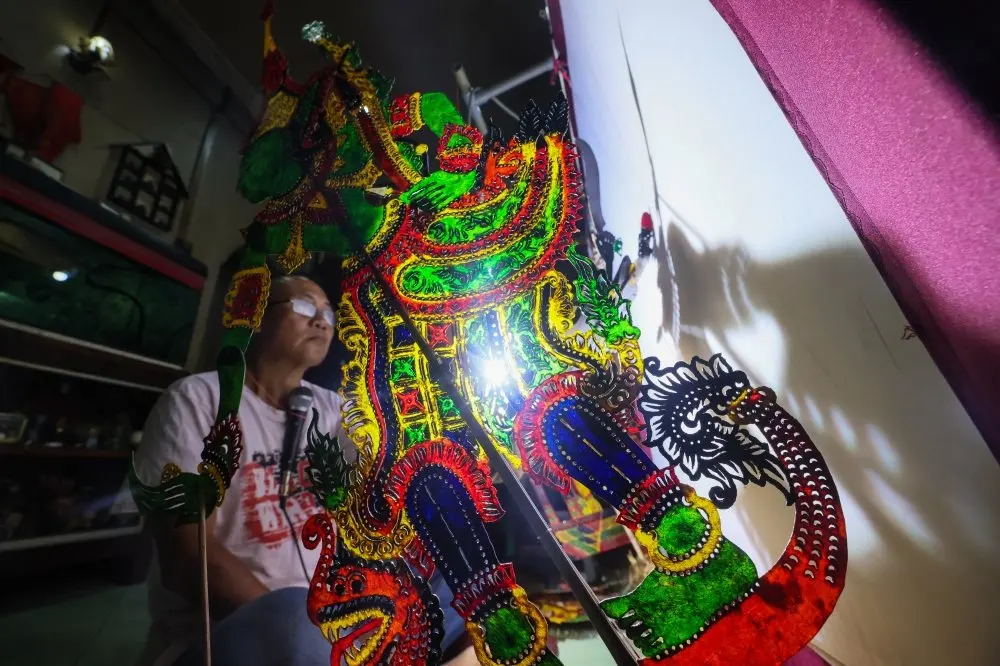
In Kota Bharu, the capital of Malaysia's northeast state of Kelantan, only three senior dalang — master puppeteers of wayang kulit, the traditional shadow puppet theatre — are still active, with just three young practitioners in training. That sobering statistic sits at the heart of a recent feature on whether this centuries-old art form can survive, and the answer matters to anyone who travels for culture.
The challenges are layered. A Universiti Malaysia Kelantan lecturer, Mohd Aswawi Isa, argues the biggest problem isn't simply a lack of young performers but public perception: some see the art as a dead end or even as forbidden under Islamic law, though performers say shows are staged in line with Syariah-compliant guidelines, stripped of older ritual elements. Meanwhile, Pija Titir Mas Wayang Kulit Association chairman Mohammad Hafiza Che Ya, better known as Pak Chu, says audiences are still out there — the real difficulty is securing performance permits, especially for village shows.
The response from institutions is quietly inventive. UMK now uses a CNC laser cutter to produce puppet sets in about a week instead of three to four months, keeping the original hand-drawn designs intact. The university is also applying AI to document traditional musical rhythms and translate dialogue from the Kelantanese dialect into standard Malay and other languages — a genuine boon for visitors who don't speak the local dialect. The state's Department of Culture and Arts runs an apprenticeship scheme dating back to 2009 that has trained dalang, musicians and puppet makers, alongside festivals, workshops and school programmes.
The encouraging part? The art still works on the people who see it. An Australian tourist quoted in the piece described watching intricately carved cowhide figures come alive through light and shadow as one of the most unique cultural experiences she'd ever had, with the traditional serunai music and drum beats carrying the whole performance. Kelantan officials see exactly that potential — a cultural tourism product that could carry the state's identity to an international stage.
For travellers, the takeaway is simple: catch a live wayang kulit performance now, while the senior dalang are still performing. This isn't a show you can reliably reschedule for a future trip. Performances around Kota Bharu, whether at festivals or smaller community events, offer something genuinely rare — a single puppeteer voicing every character, backed by live traditional music, in the state where the art has its deepest roots. And unlike some heritage experiences that feel staged for tourists, this one is fighting for its life; your presence in the audience actually counts as support.
If you're planning a Malaysia trip with cultural depth beyond Penang's food streets or Kuala Lumpur's towers, build in a few days on the east coast. Between shows, you can often see puppet-making demonstrations, and the Peranakan Chinese families and young apprentices keeping the craft alive are part of the story worth hearing firsthand. Just check locally that a performance is scheduled — permits permitting, as they say in Kelantan.