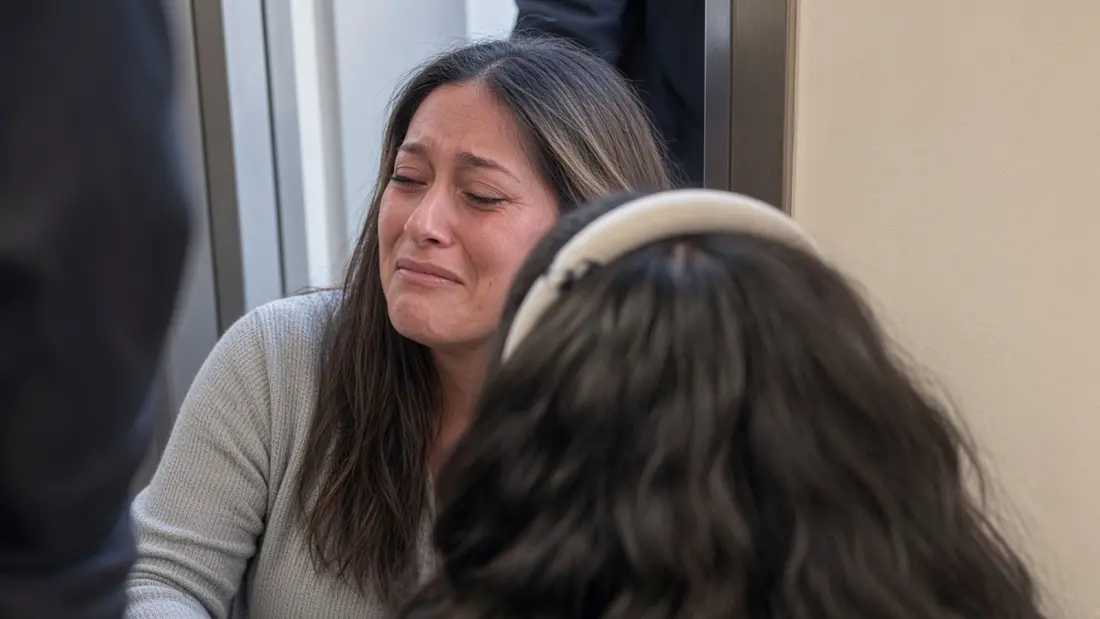
A Saturday-morning boarding call at Seattle-Tacoma Airport turned into something no holiday traveller expects. Around 8 a.m. on November 21, passengers filing down the jet bridge to Alaska Airlines flight 1306 to Los Angeles found masked federal agents struggling with two travellers — a father and daughter — at the aircraft door itself.
The confrontation at gate N9 lasted more than ten minutes, with roughly 50 passengers pressed against the walls of the jet bridge waiting it out. The effect rippled through the crew: the pilot stepped off the aircraft and two flight attendants asked to be replaced. The flight, due to depart at 8:10 a.m., ended up leaving nearly three hours late.
Both the Port of Seattle and Alaska Airlines have pushed back publicly. The Port said it was "outraged", stressed that its own police do not assist civil immigration enforcement, and is asking DHS whether agreed protocols were breached. Alaska said it got no advance notice, doesn't coordinate immigration enforcement, and is reviewing whether proper procedures were followed. The Association of Flight Attendants' president, Sara Nelson, was blunter: "Get the hell out of our airports, ICE."
Why airports at all? Because they're chokepoints. The government already holds itineraries via TSA data sharing with ICE, travellers pass identity checks and weapons screening, and security infrastructure built for aviation safety does much of the work of locating a person in advance. Seattle alone has a Port police force of roughly 120 officers, plus CBP, TSA, FBI and DEA on site. Critics argue that repurposing safety systems for immigration arrests pulls crew into confrontations, disrupts flights, and erodes the trust the screening process depends on.
The detail that has drawn particular criticism: the woman in the video says "We have a work permit." Work authorisation and immigration status are separate things, and someone travelling openly under their own name on a domestic ticket is hardly a flight risk. It's not an isolated case either — a US citizen was previously stopped boarding a Delta flight over a name mix-up, a traveller at Las Vegas was left half-handcuffed, and a state trooper was arrested at Madison airport despite holding work authorisation.
For travellers, the practical takeaway is that gate-area federal enforcement actions are now a real, if rare, source of delay and disruption on US domestic flights — and that airlines and airport authorities themselves are objecting to how they're being carried out. If you're flying out of Seattle, build in buffer time and know your rights; if you're on a flight affected by an incident like this, the airline is obliged to get you there, eventually. Who it's really for: anyone transiting US hubs who assumed security screening was only about safety.