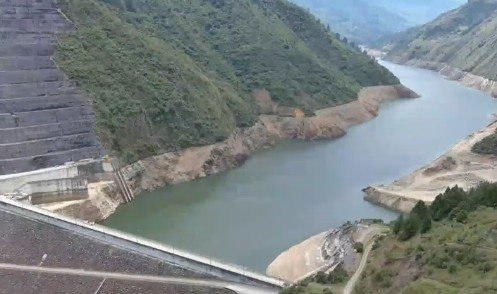
A couple of days of light rain over Azuay province bought Ecuador's power system a little breathing room, but not much. Forecasters and engineers at the Mazar hydroelectric complex say the reservoir's water level will likely start dropping again within days, as the country leans harder on one dam to cover for another.
The rain, which fell across Cuenca on Saturday night and Sunday, temporarily boosted flows into the Mazar reservoir on the Río Paute. Juan Robalino, a spokesman for state utility CELEC, called the relief welcome but temporary: with turbines ramping up, the downward trend in water levels is expected to resume early this week.
The reason for the extra strain sits further north. The Coca Codo Sinclair plant in Napo province, Ecuador's largest hydro facility, has no reservoir — it generates purely from the flow of the Río Coca. That river's rate was measured at 224 cubic metres per second on Monday, short of the 250 needed for optimal output, cutting the plant's production to around 800 megawatts against a 1,400 MW capacity. To fill the gap, CELEC is running Mazar's three stations near its full 1,800 MW for several days.
As of Monday afternoon, the Mazar reservoir sat at 2,134 metres above sea level — still 19 metres above the level considered critical for operations, so there's a buffer, but one being actively drawn down. The weekend's rainfall in the Río Paute basin averaged just six millimetres, and CELEC expects a return to dry conditions before Amazon airflows move back in later in the week, which should bring rain to replenish the Río Coca.
For travellers, this is a reminder that Ecuador's grid is unusually dependent on hydropower, and dry spells can translate into scheduled electricity rationing — as happened during the 2024 blackouts — affecting hotels, restaurants and transport in cities like Cuenca and Quito. If you're planning a trip in the coming weeks, it's worth keeping an eye on local news and building a little flexibility into plans that depend on reliable power. The broader pattern of alternating dry and rainy spells in the Andes also shapes when the countryside looks its best, with the greenest scenery typically following sustained rain.