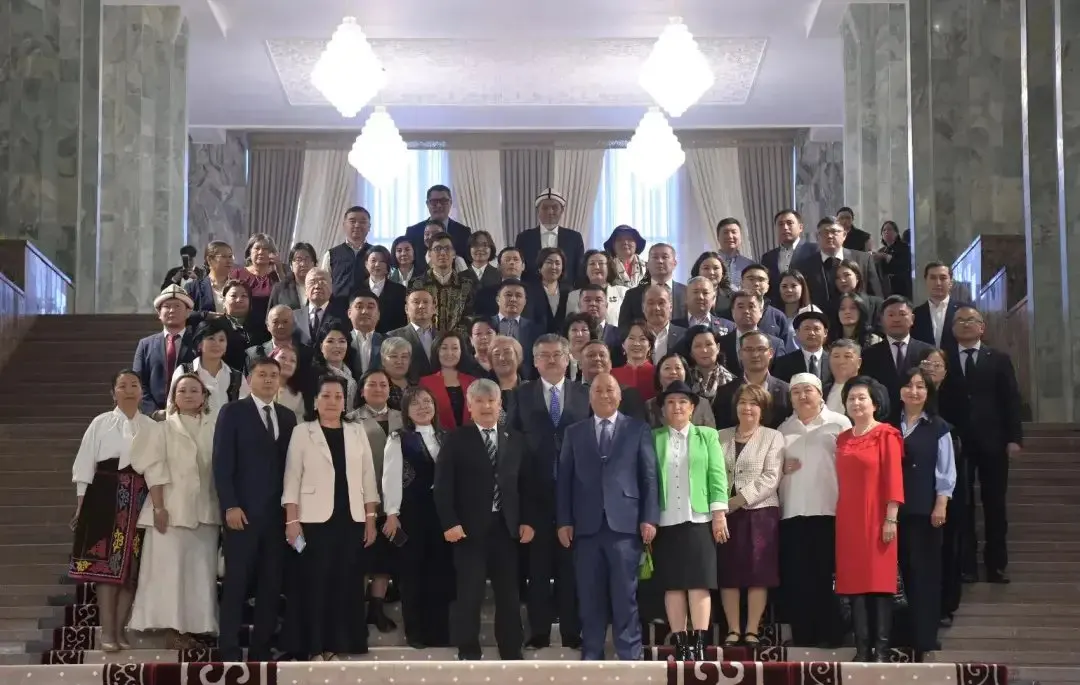
Kyrgyz is spoken by millions at home, but for families who have moved abroad, passing it on to their children is getting harder. That was the central concern at the II International Forum on Preservation and Development of the Kyrgyz Language Abroad, held in Kyrgyzstan's parliament, the Zhogorku Kenesh, and reported by 24.kg.
The gathering brought together lawmakers, officials, academics and teachers, plus members of Kyrgyz communities from more than ten countries — among them the UK, Germany, Turkey, Kazakhstan, China, Uzbekistan and Italy. The problems they described were strikingly consistent wherever people had settled.
Rakhat Zhusupova, a migration researcher working in the UK, listed the core obstacles: a shortage of qualified teachers and teaching materials, patchy parental commitment to weekend language schooling, very little Kyrgyz content online for kids to engage with, and the chronic difficulty of keeping diaspora-run schools open and stable.
Her proposed fixes were practical. One: a unified online platform pooling Kyrgyz learning resources. Two: bilingual children's books. Three: proper training and certification for diaspora teachers, plus teaching guides aimed at parents rather than classrooms. She also pushed for more AI-based digital tools and better sharing of experience between community schools in different countries.
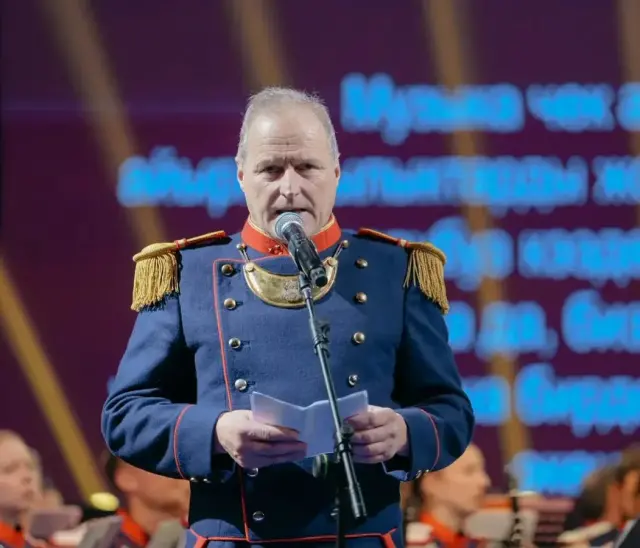
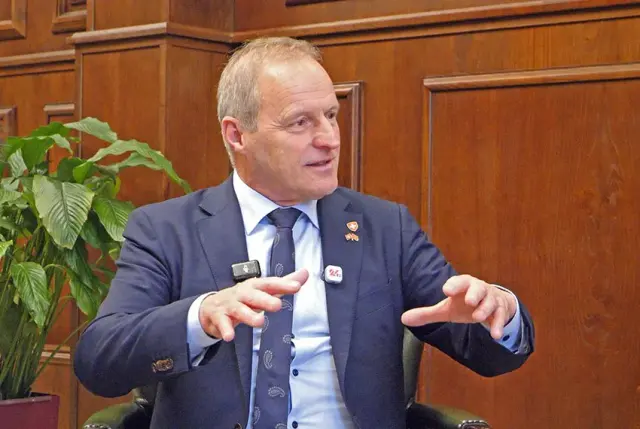
Officials framed the issue in broader terms. State Secretary Arslan Koichiev argued the language only survives if there is a real, everyday need to use it — and that adapting Kyrgyz to modern life matters as much as its official status. Melis Murataliev, head of the National Commission on State Language and Language Policy, echoed that practical point, saying formal recognition counts for little without actual day-to-day use. First Deputy Speaker Mederbek Aliev added a cultural note: language is what keeps Kyrgyzstanis in different countries connected to each other and to the values they want to hand down.
For visitors, this is useful context. Kyrgyzstan is one of Central Asia's most rewarding destinations for trekkers and independent travellers — think Song Kol's yurt camps, theAla-Too range, Issyk-Kul's shoreline. Russian remains widely spoken in cities and tourist settings, but Kyrgyz dominates in villages and rural areas. Knowing even a few words of Kyrgyz — greetings, thank you, numbers — goes a long way in the countryside, where the forum's 'real need to use the language' is most visible. The digital push discussed at the forum may eventually make learning resources easier to find, but for now travellers heading off the beaten track should expect limited English and lean on phrasebook basics or a guide.
The forum's wider agenda included translation work, book publishing and research, with diaspora members swapping stories about what has and hasn't worked in classrooms from Bishkek's suburbs to Birmingham. The through-line: a language lives through use, and communities abroad are asking for better tools to keep using theirs.