Renting or buying a home in Mexico means getting to grips with the country's electricity system — and it works a little differently from many places. All power is supplied by CFE, the state-owned utility, which sets government-regulated rates with generous subsidies for households that keep consumption low. Bills arrive every two months, hand-delivered on paper, and the more you use, the more you pay per kilowatt-hour.
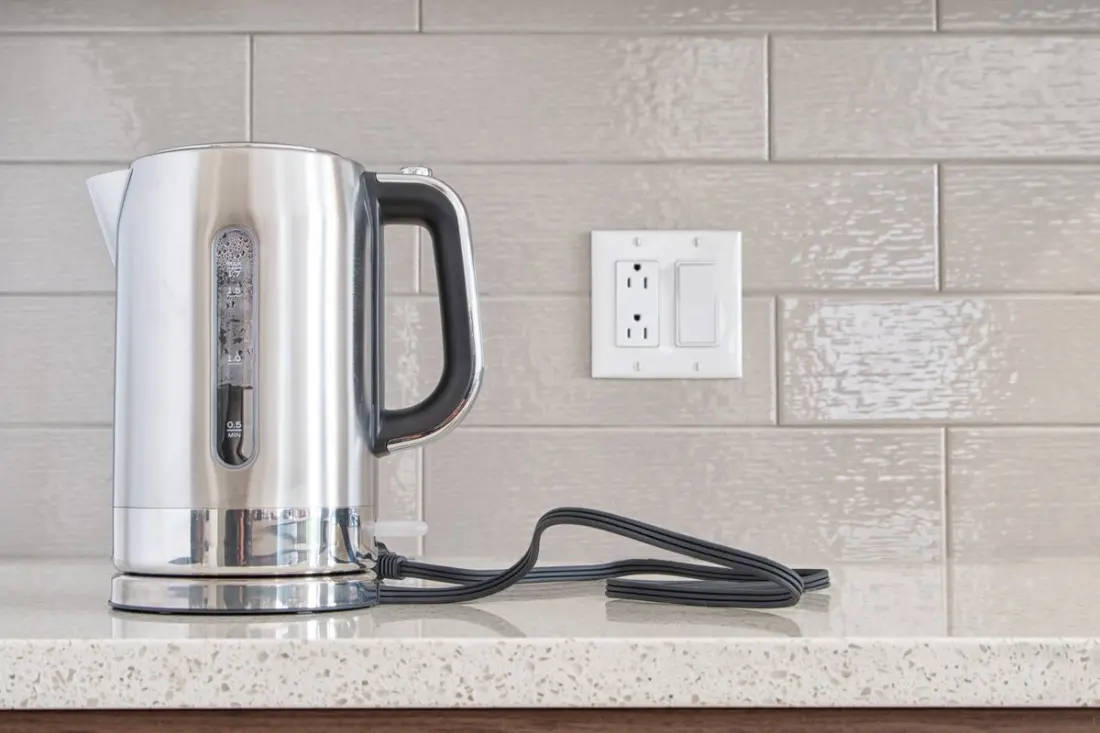
Practicalities first: Mexican homes run on 120-140 volts at 60Hz with Type A/B sockets, just like the US. If you need 220-240 volts for certain air conditioners, ovens or induction hobs, you'll have to request a 'bifase' circuit from CFE and get an electrician to wire it. Older properties may still have two-pin sockets that won't take modern three-pin plugs without an adapter.
Reliability has improved a lot in the past decade. Outages that once dragged on for days are now rarer and shorter, though much depends on your neighbourhood — rural areas fare worse than cities, and failing pole-mounted transformers are the usual culprit. During the rainy season (roughly May/June to October/November), storms knock out power more often, and in hurricane zones you should expect outages lasting days after a serious storm. Voltage fluctuations are another quirk; flickering light bulbs are the tell-tale sign, so protect computers and sensitive kit with surge protectors.
For anything critical, a UPS is worth considering. Simple battery-backup units are affordable and keep WiFi modems and computers running through short cuts; keeping a fridge running for hours means stepping up to a diesel generator.
On billing: CFE delivers paper bills in person, and these originals double as proof of address for official paperwork — useful even if you're renting and the bill stays in the landlord's name. The CFE Contigo app lets you switch to digital bills, pay (with a Mexican bank account), report outages and request reconnections. Convenience stores also take payments in cash against the bill's barcode, with a small service fee.
The big warning is about lateness. CFE is swift to disconnect non-payers, and getting reconnected takes one to three days after you've settled the bill and penalty fee. Leave an account unpaid for 15 days and the contract can be cancelled outright, forcing you into a longer reapplication process. If you only spend part of the year in your Mexican home, keep paying the bill while you're away — and pay electronically at least a couple of working days before the due date, since transfers can lag.
For anyone planning an extended stay, relocating for remote work or buying a winter base in Mexico, this is the kind of unglamorous admin that makes or breaks daily comfort. Knowing the billing rhythm, the subsidy quirks and the reconnection timeline ahead of time saves real headaches later.
Mexperience