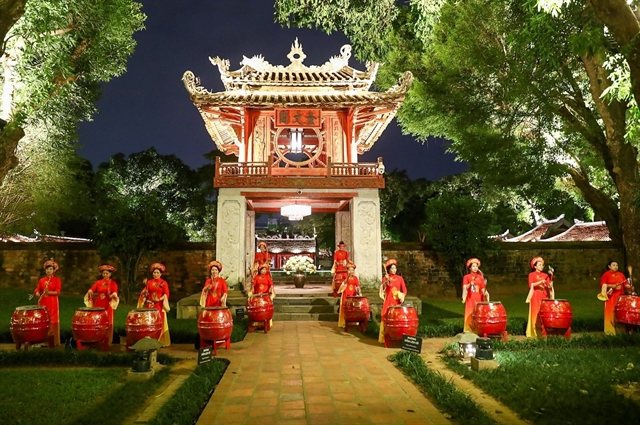
Vietnam's first national university, Quốc Tử Giám, is marking 950 years this year, and the Temple of Literature complex in Hanoi that houses it is rolling out a fresh programme of exhibitions, events and interactive experiences to match the milestone.
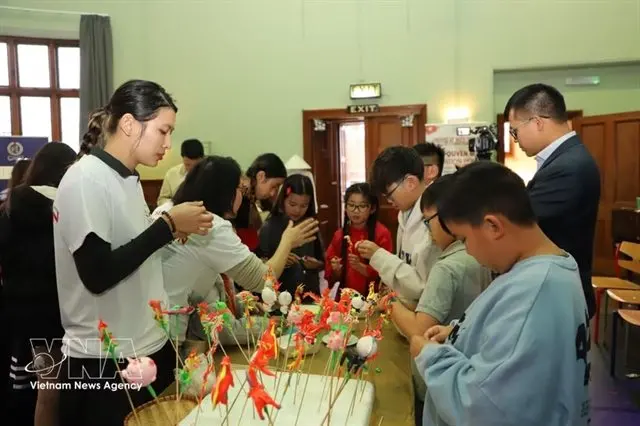
The anniversary line-up covers exhibitions tracing the site's history and Vietnam's imperial examination tradition, academic conferences, student competitions and cultural events. What's new is the shift away from static displays: organisers are building participatory experiences around the heritage, including programmes like Receive a Student Record and Become a Quốc Tử Giám Scholar, Check in and Meet the Talented, and a National Education Journey – Imprints of Knowledge experience. Visitors can already try calligraphy through virtual reality headsets.
Independent travellers get practical upgrades too. An audio guide now runs in 12 languages, letting foreign visitors explore at their own pace, and the centre plans to add a library, heritage education rooms and technology-enabled spaces tailored to different audiences — with international visitors a stated priority.
The site isn't struggling for footfall. Between 1 January and 25 October this year it welcomed more than 1.4 million visitors, up slightly on the same period last year. Yet tourism insiders argue there's room to do better. Nguyễn Tiến Đạt, head of AZA Travel and a vice chairman of the Hanoi Tourism Association, notes that most city tours currently allot just 45–60 minutes at the temple — enough for photos and architecture, not much else. His proposals include examination-themed experiences for students, education-history programmes for foreign visitors, themed activities for MICE groups, and a Thăng Long Path of Learning route linking the temple with the Imperial Citadel of Thăng Long and Đường Lâm ancient village.
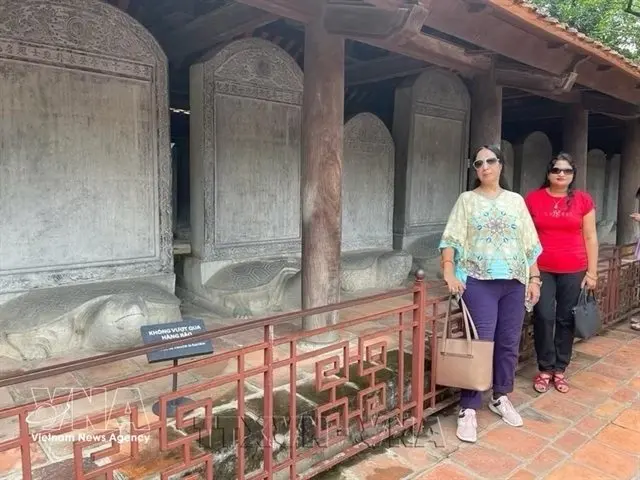
Why should a traveller care? The Temple of Literature is already one of Hanoi's most atmospheric stops — a quiet compound of courtyards, pavilions and the famous Doctoral Stelae listing university graduates from centuries past. Vietnamese families flock here at Tết to ask for calligraphy blessings, and students pose for graduation photos among the stelae. The anniversary programme means that if you visit this year, you're likely to catch exhibitions or events that go deeper than the standard walk-through. It also sits conveniently in central Hanoi, within easy reach of the Old Quarter, the Fine Arts Museum and the Ho Chi Minh Mausoleum complex, so it slots neatly into a day of sightseeing. If the longer, experience-based tours take off, this could become a half-day stop rather than a brief photo op.