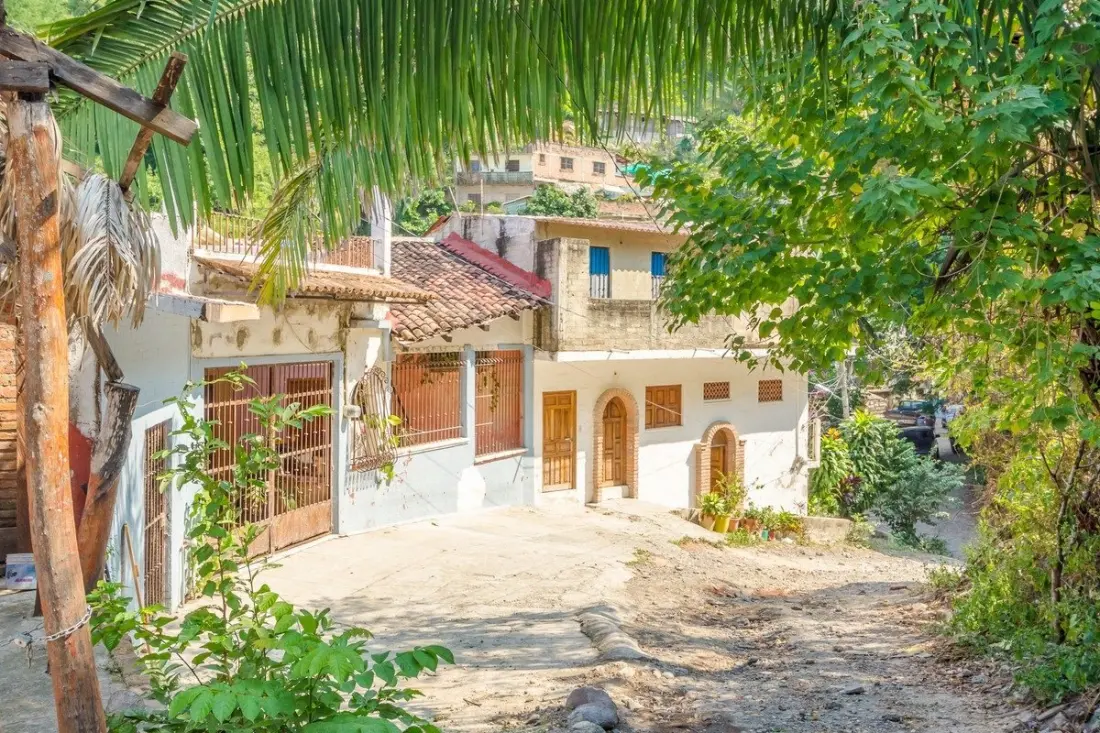
Cobblestone streets, birdsong at dawn, and property prices well below those of Mexico City, Guadalajara or Monterrey — rural Mexico holds obvious appeal for anyone dreaming of a slower life. But the trade-offs are real, and worth thinking through before you sign a rental contract or buy a plot.
The upside first. Land and living space in semi-rural areas usually cost far less per square metre than in the big three cities, and highland provincial towns offer some of the best value property in the country — though pricing is hyper-local. San Miguel de Allende is the famous exception: centre-of-town homes there now rival Mexico City's priciest neighbourhoods, and Valle de Bravo and Tepoztlán, both within reach of the capital, also command a premium. Beyond money, country living means bigger gardens, outdoor terraces and pools, easy access to walking country, and communities where neighbours actually greet you. Remote workers and retirees are increasingly making it work year-round.
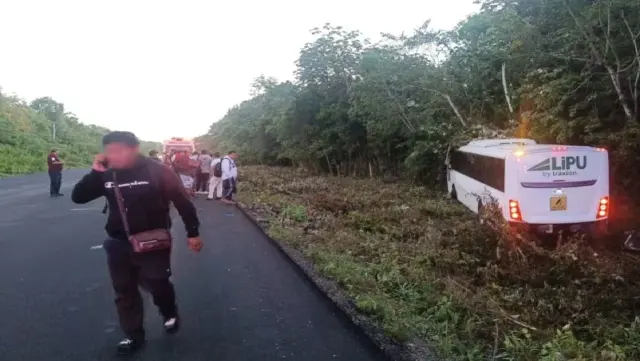
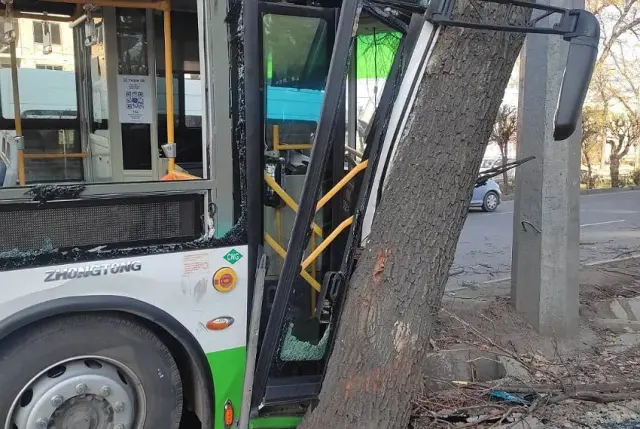
Now the compromises. Country roads in Mexico rarely match the distances the map implies. Expect speed bumps, wandering livestock, dogs, festival processions and mountain or jungle terrain to slow every trip — an annoyance on a Sunday, a genuine problem when you have a flight to catch or a medical emergency. Regional airports may require extra connections, and intercity bus terminals can be a long drive away.
Terrain matters too. Those charming cobbled streets turn treacherous in the rain and are difficult for anyone with mobility issues. Some properties sit behind dirt tracks that become mud-baths in the rainy season; neighbours sometimes band together to fund paving, sharing both the cost and the bureaucracy.
Then there's shopping and healthcare. Local tienditas cover the basics, but the 'No Hay' factor — the shelf simply isn't stocked — is much more common in rural areas, so most foreign residents drive to the nearest city for a proper supermarket, dentist or optician. Small villages typically have only a basic clinic, and if you have a condition that could need urgent hospital care, long country roads become a serious consideration.
Finally, think about your social wiring. Remote villages rarely have established expat clusters to ease your landing. Integration means Spanish, participation in local festivals and customs, and genuine effort to build friendships. If galleries, theatre and wellness studios keep you sane, check the distance to the nearest city before committing. And if you buy, be aware that rural property markets move slowly — selling may take far longer than you'd expect.
Who is this for? Retirees and remote-working families with good health, a car, flexible schedules and a appetite for community life will thrive. If you need quick airport access, frequent specialist healthcare or a busy cultural calendar, choose a provincial city instead, or a semi-rural spot like Valle de Bravo that balances both worlds. Either way, visit in the rainy season before you commit — cobbles and dirt roads behave very differently then.