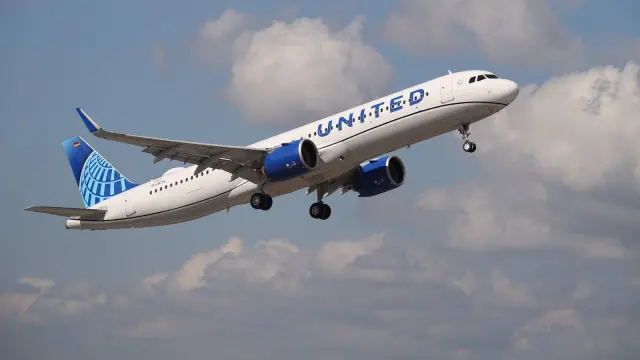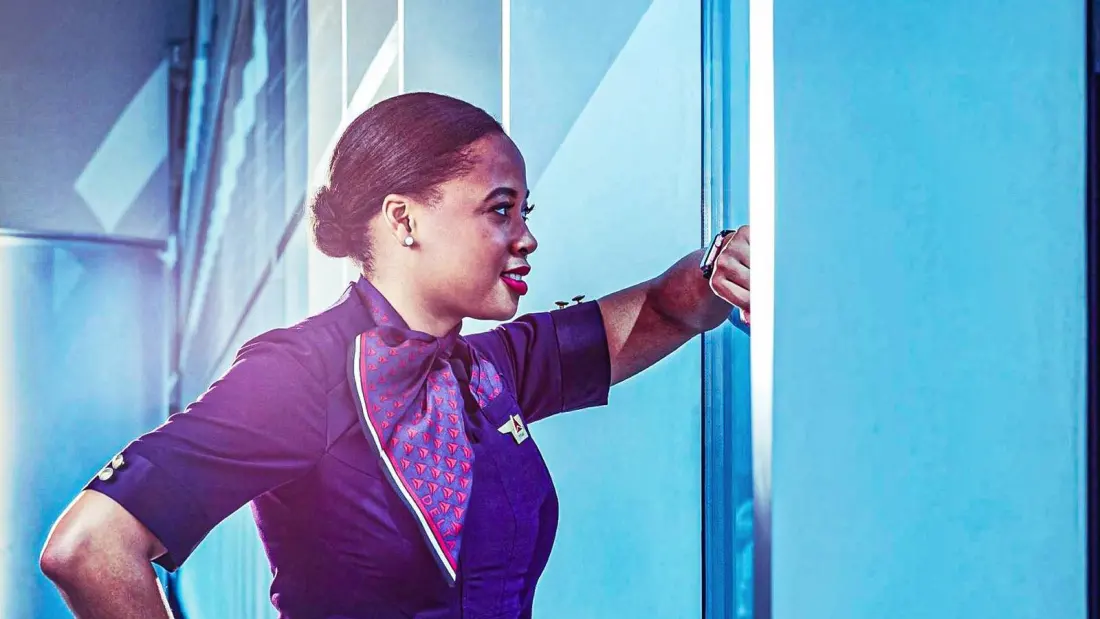
That friendly "hello, seat 32C, down on the right" lasts a couple of seconds, but it's doing a lot of work. During boarding, cabin crew are running a rapid safety assessment of every passenger who steps through the door — who might cause trouble, who might need help, and who could be useful if things go wrong.
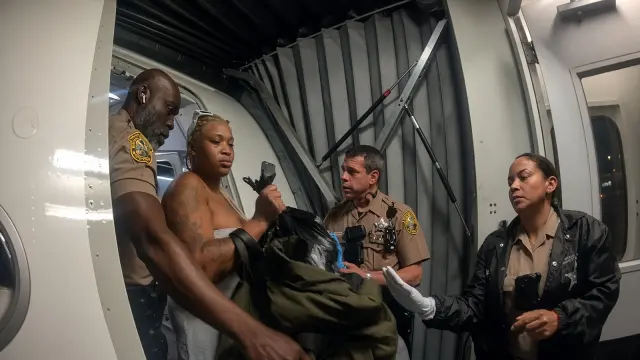
The biggest watch-list item these days is the potentially disruptive passenger. The numbers back the concern: US airlines logged more than 2,100 unruly passenger reports in 2024, while Ireland's aviation authority recorded 1,432 events against just 426 the year before, and Switzerland reported 1,730 cases. Crew are scanning for signs of intoxication, arguments already brewing between travel companions, or general aggression. If someone is causing problems before the doors close, they can simply be taken off the flight. Once airborne, the playbook is de-escalation first, then a warning and a call to the captain, and if needed physical restraint and a diversion — with the FAA increasingly hitting offenders with fines and diversion bills.
Crew are also quietly identifying people who would need extra help in an evacuation: elderly travellers, wheelchair users, anyone visually or hearing impaired, and parents with babies. They're alert to signs of illness too — medical emergencies happen on roughly one in every 212 flights, according to NIH data, and a small fraction force a diversion.
On the flip side, they're recruiting. Able-bodied, English-speaking passengers seated in exit rows get briefed on how to operate the door, and anyone unwilling or unfit is moved. The passenger information list helps too: doctors, off-duty pilots and cabin crew are flagged, since off-duty pilots have famously been called on to help land aircraft.
Your appearance matters more than you'd think, and not for fashion reasons. Sharp items and stiletto heels can puncture an evacuation slide, so they're noted. Shoes should stay on for take-off and landing to protect your feet from debris and fire, and natural fibres beat polyester, which is flammable. Inappropriately dressed passengers may be handed a blanket to cover up. Oversized bags get pulled and sent to the hold.
There are perks to making a good impression, though. Well-dressed, polite passengers can find themselves first in line for operational upgrades, and friendliness tends to be repaid with extra snacks and drinks. Rude or entitled behaviour, meanwhile, can be logged in your passenger record and, in extreme cases, get you banned by the airline.
Crew are also watching who ignores the safety demo — headphones on, phone in hand — because those passengers are least likely to follow instructions in an emergency. And there's a final, serious layer: staff are trained to spot things like suspected drug mules or possible human trafficking situations, which get reported to the captain so help can meet the plane on arrival.
For travellers, the takeaway is simple. Crew are there for your safety first, service second. Wear shoes you can run in, watch the demo, skip the pre-flight binge, and say hello back. A few seconds of goodwill at the door genuinely shapes how you're looked after for the rest of the flight.
Via Simple Flying