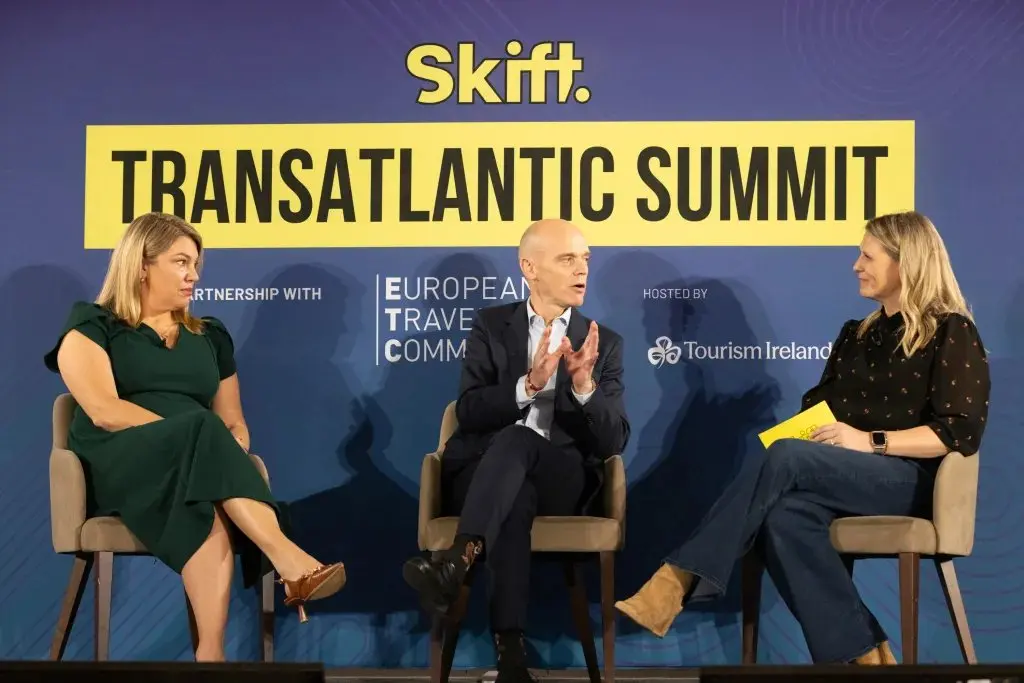
One in five travellers now plans trips around live events — concerts, tournaments, eclipses — and destinations are scrambling to make the most of it. But a packed calendar during peak season doesn't automatically mean a win, as two very different places discovered in the summer of 2026.
Boston spent June and July hosting seven FIFA World Cup matches, then rolled straight into America 250 celebrations and a Tall Ships gathering. All of it landed in the city's busiest months, when hotels were already close to full. Iceland faced a similar squeeze from the other direction: no ticketed headline event, but the country sat directly in the path of August's total solar eclipse, in what was already a sold-out stretch of its short summer season.
The common thread, as tourism officials in both places pointed out, is that when occupancy is already maxed out, an event can't simply add more visitors — there's no room. Success has to be measured differently: who is coming, how much they spend, whether the event spreads demand into shoulder months, and whether the destination comes out of it with a better reputation rather than a bruised one.
For travellers, this reframes how to think about event-driven trips. If you're eyeing a city during a World Cup, an eclipse or a mega-concert, expect peak pricing on accommodation even far from the venue, and book the moment dates are announced rather than hoping for last-minute deals. The flip side: destinations that have just hosted something huge often have polished infrastructure, extended transport hours and plenty of local energy — and the weeks immediately after a big event can be a sweet spot of thinner crowds and still-warm hospitality.
It also matters for where you go next. Cities and countries that handle a sold-out summer well tend to invest the proceeds and attention into year-round appeal. Iceland, for one, has long worked to push visitors toward its off-season — northern lights, ice caves and quieter roads — precisely because its summer can't absorb much more demand. Boston's run of blockbusters, meanwhile, showed how a city usually associated with business travel can turn itself into a leisure draw when the occasion demands.
The takeaway for anyone planning around live tourism: check whether your dates clash with a city's natural peak before assuming an event will be the highlight. Sometimes the smarter move is to chase the event in the shoulder season, or let the crowds surge past and arrive a fortnight later.
Reporting by Skift.