Record rainfall has battered eastern Spain and the Balearic Islands, killing at least five people and leaving travellers wondering whether it's still safe to fly out for a autumn sun break. The short answer from officials: yes, and the weather is clearing fast.
Storm Adam dumped what Spain's weather agency Aemet called "exceptional" amounts of rain across the Mediterranean coast. Ibiza's airport weather station logged 173mm in 24 hours on Sunday 18 October — the highest since records began there in 1944 — with water seeping through terminal ceilings and parts of the building cordoned off. Flights at Ibiza and Mallorca were disrupted over the weekend but had returned to normal by Tuesday.
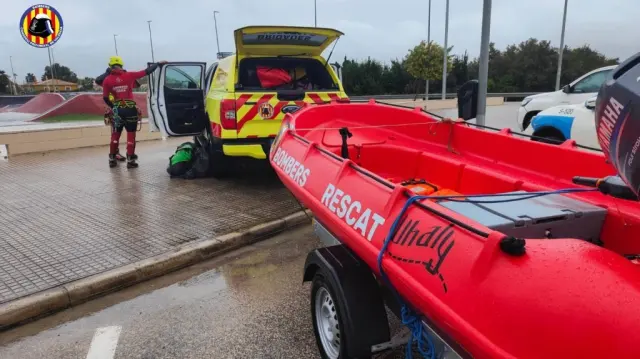
The worst-hit mainland spot was the Valencian town of Oliva, which took 600 litres of rain per square metre in a single day. Around 400 residents were evacuated and spent the night in a community building. In Valencia — a city still raw from the 2024 floods that killed more than 200 people — over 220 people were rescued, some plucked from rooftops by helicopter. The military was sent to the Balearics to pump sludge and water off roads.
The forecast now looks far friendlier. Most red and orange warnings have been lifted, leaving only yellow alerts for the Empordán coast in the northeast and Menorca as of Tuesday 20 October. Showers were expected in La Palma, El Hierro and Galicia, but from Thursday Aemet predicts sunshine with no significant rain through to Sunday, when precipitation returns only to the far north of the mainland.
Practically speaking, the UK Foreign Office has issued no warnings against travel to Spain, which matters more than you might think. Because there's no advice against non-essential travel, you have no automatic right to cancel for a full refund — terms depend entirely on your holiday provider, and travel insurance won't pay out for safety concerns unless government advice changes. Some policies do include natural disaster cover if an event stops you reaching your destination, so it's worth checking the small print and calling your insurer if you're worried.
If you're travelling imminently, the sensible moves are simple: keep an eye on Aemet's colour-coded warnings before you fly, follow instructions from local authorities on the ground, and expect things to run normally from midweek. Anyone with trips booked to Valencia, Oliva or Ibiza specifically may want to check with accommodation providers about local damage or access, since recovery from flooding can lag behind the headline weather even after the sun returns.
For everyone else heading to the Costas or the islands over the coming weeks, this looks like a nasty but brief episode rather than an ongoing crisis — with the caveat that Spanish flash floods have proven deadly before, so taking weather warnings seriously is never a bad idea.
Reporting: The Independent Travel