The travel map is getting a shake-up for 2027, with new routes and destination refreshes pointing travellers towards slower, less crowded takes on familiar places.
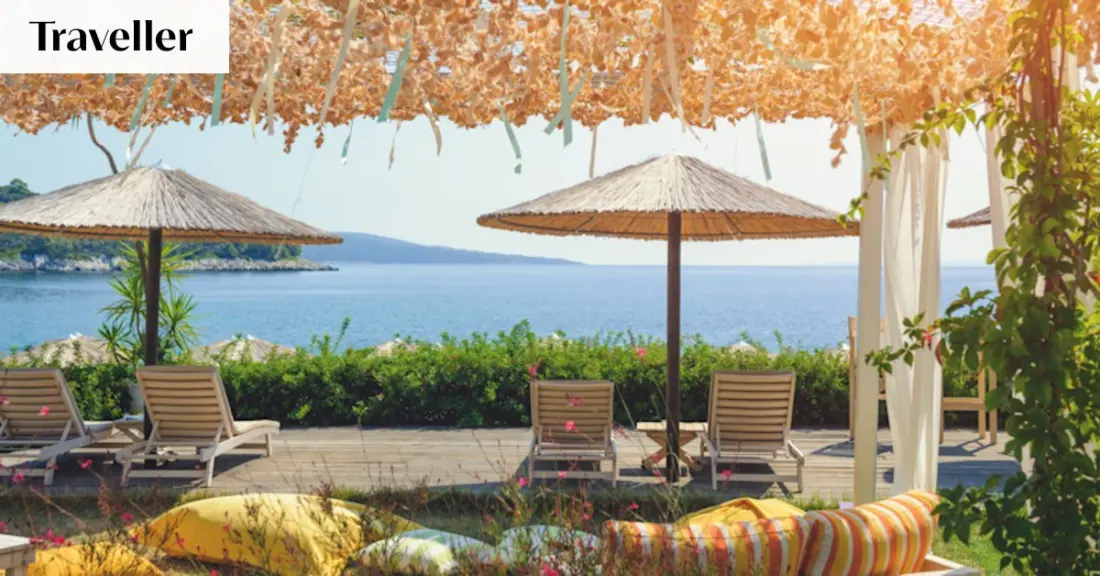
Greece is the headline act for the anti-crowd movement. On Santorini and Mykonos, tourists reportedly outnumber locals around 200 to one in peak summer. The alternative being floated is Alonnisos in the Northern Sporades, which sits inside Europe's largest marine-protected area. Expect around 20 beaches and coves, top-notch diving, a chance of spotting the rare Mediterranean monk seal, and the car-free medieval hilltop village of Chora with sunset views to rival anything in the Cyclades. Mainland Greece is also having a moment: the Peloponnese packs beaches, ancient sites (Sparta, Mycenae, Olympia, Epidaurus), the fortress town of Monemvasia and the harbour city of Nafplio into a region you can drive to — no ferries needed, and cheaper than the islands.
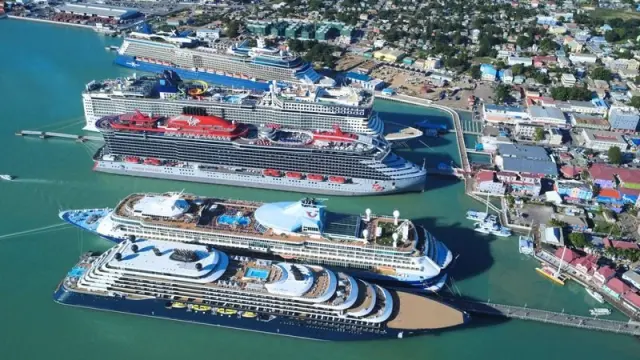
Japan is rolling out more reasons to go beyond Tokyo and Kyoto. JR Hokkaido launches two designer tourist trains: the Red Star, a two-day Sapporo–Abashiri round trip timed for the Sea of Okhotsk drift ice in February, then a Kushiro–Shiretoko-Shari coastal service from April; and the Blue Star, running Asahikawa–Furano during the June-to-September lavender season. Both come from Eiji Mitooka, the mind behind Kyushu's Seven Stars sleeper. Cruising is booming too — international cruise arrivals to Japan hit 1.8 million in 2025, up 20 per cent, and Princess Cruises will run 50 itineraries in 2027. Rail-accessible Kanazawa, with its samurai district and Kenrokuen garden, remains the smart Kyoto alternative.
Indonesia is expanding past Bali. On Sumba, Cap Karoso pairs design-led stays with an organic farm and local-guided excursions, about an hour's flight from Bali. Nihi has opened a second resort on Rote, with 21 villas on Bo'a Beach for surfing and lagoon trips. For proper island-hopping, Rascal Voyages launches a new phinisi-built yacht, Rogue, in 2027, joining routes to Komodo, Raja Ampat and the Spice Islands.
Two new flight paths are rewriting long-haul plans. Jetstar now flies non-stop from Melbourne to Colombo three times weekly, opening up Sri Lanka's beaches, wildlife safaris and the 300-kilometre Pekoe Trail through tea country — and the country has scrapped its $50 visa for Australians in favour of free e-visas. Colombo also doubles as a springboard to the Maldives, just 90 minutes away. Meanwhile Finnair has launched daily Melbourne–Helsinki flights via Bangkok, joining Emirates' new Dubai–Helsinki route. Finland has restored rail links with Sweden after 38 years, meaning Interrail passes now stretch from Lapland all the way towards southern Portugal, and Helsinki's new car-free Kruunuvuorensilta bridge is the city's latest design statement.
The common thread for 2027: the same budget of time and money goes further if you swap the poster-child spots for their calmer, often cheaper neighbours.