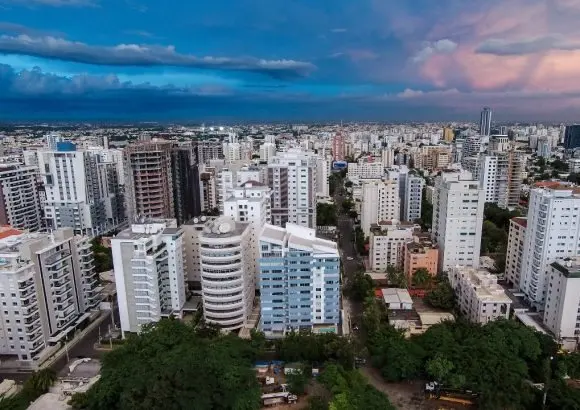
If you're planning a Caribbean break and follow news from the Dominican Republic, you may have seen headlines about President Luis Abinader denying ties to a businessman nicknamed "El Chey." It's a domestic legal story rather than a travel story, but it's generating a lot of noise locally, so here's what actually happened.
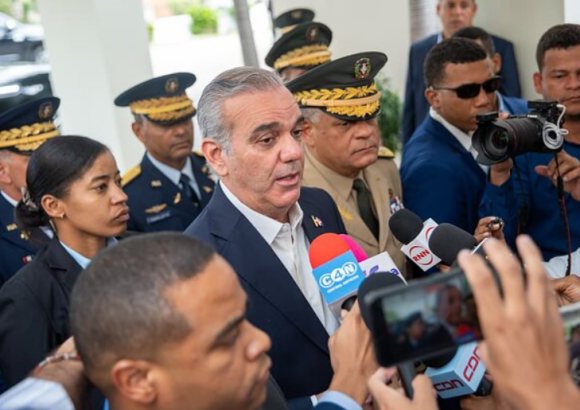
Speaking in Santo Domingo on Thursday, Abinader flatly rejected any claim that he knows or has ever dealt with Eliezer Salvador, a businessman whose name has surfaced in the investigation into the death of Melissa Medina, a 22-year-old influencer and entrepreneur. Medina died on November 17 at an apartment in the Piantini district of the capital. Authorities stress the case is open: no definitive forensic findings have established the cause of death, and no criminal responsibility has been determined. Salvador has not been formally charged.
The president was responding to public statements by journalist Camila García Durán, who questioned a separate 2025 incident involving Salvador and urged officials to clarify the circumstances. Abinader said he only learned of the controversy late Wednesday night, around 11:40 p.m., after watching the journalist's video, and then phoned her father, physician Babeto García. He argued the family in that 2025 case should never have withdrawn its lawsuit, and said that had he known about it at the time, he would have advised them to keep it going.
Beyond denying personal contact, Abinader pushed back harder on any suggestion of interference in the justice system. He said that in more than six years in office he has never intervened in judicial matters and challenged any prosecutor to come forward and claim he had ever asked them to favour someone in a case. He also addressed another rumour doing the rounds: that the government is holding an extradition request involving Salvador. "We don't have an extradition order. So that's the plain truth," he said, adding that when such requests do arrive, the country processes them quickly.
Why does this matter to travellers? Mostly as context. The Dominican Republic remains one of the Caribbean's most-visited countries, and stories like this dominate local media and social conversation, particularly in Santo Domingo. But nothing in the case suggests any impact on tourism, transport or safety for visitors; it's a political and judicial controversy playing out in the capital, with an investigation that has yet to reach any formal conclusions. If you see alarming headlines while booking a Punta Cana or Puerto Plata trip, this is the story behind them — and it's far removed from the beach resorts and tourist corridors.