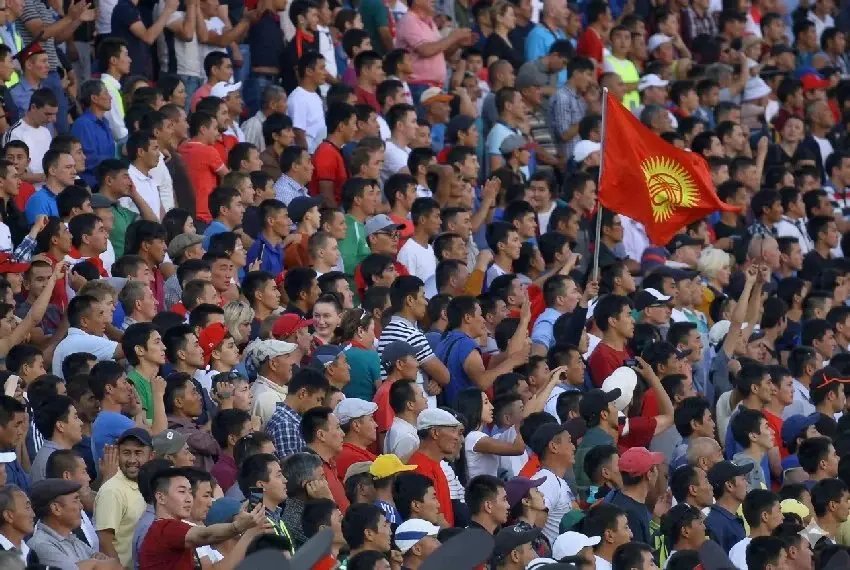
Kyrgyzstan's permanent population has climbed to 7,499,400 as of 1 October 2026, according to the country's National Statistical Committee. That's an extra 95,100 people — growth of 1.3 percent — in just the first nine months of the year, driven almost entirely by births rather than migration.
The numbers behind the headline are straightforward: 107,200 births were registered between January and September, up 3,000 on the same stretch of 2025, while deaths totalled 24,000. That leaves a natural increase of 83,200 people, a strikingly high figure for a country of this size and a reminder that Kyrgyzstan has one of the faster-growing populations in Central Asia.
Where that growth is happening matters as much as the total. The southern regions — Batken, Osh and Jalal-Abad — recorded the highest natural growth rates, while the capital, Bishkek, sits at the bottom of the table. Bishkek is still by far the largest city, home to 1,382,500 people, with Osh, the country's southern hub, at 494,800. In other words: the capital is big but slow-growing, while the south is younger and expanding quickly.
The statistical committee also logged 31,100 marriages and 10,900 divorces over the nine months — household data that round out a picture of a young, family-oriented society.
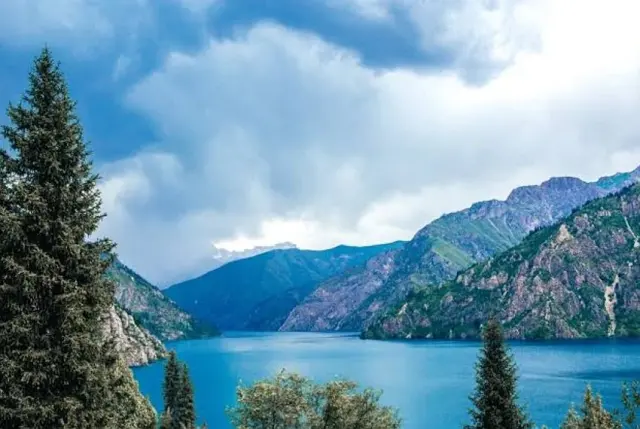
For travellers, why does any of this matter? Because Kyrgyzstan remains one of Central Asia's least crowded, most outdoors-focused destinations, and its demographic shape says a lot about what you'll encounter. Young southern regions mean lively bazaars, conservative rural traditions and busy family-run guesthouses around Osh and the Fergana Valley fringe. A slow-growing, cosmopolitan Bishkek means a compact capital with growing cafes, galleries and expat-friendly infrastructure that punches above its demographic weight. And despite steady population growth, outside the two main cities the country stays remarkably empty — the kind of place where you can trek for days in the Tian Shan or around Song-Kul lake without seeing another tourist, let alone a crowd.
The practical takeaway: base yourself in Bishkek for logistics and city comforts, route south through Osh if you're crossing toward the Fergana Valley or looping the Pamir side, and expect the south to feel more traditional and family-centred than the capital. Population growth hasn't changed the fundamental equation — Kyrgyzstan is still a sparsely populated mountain country where getting off the beaten path is easy.