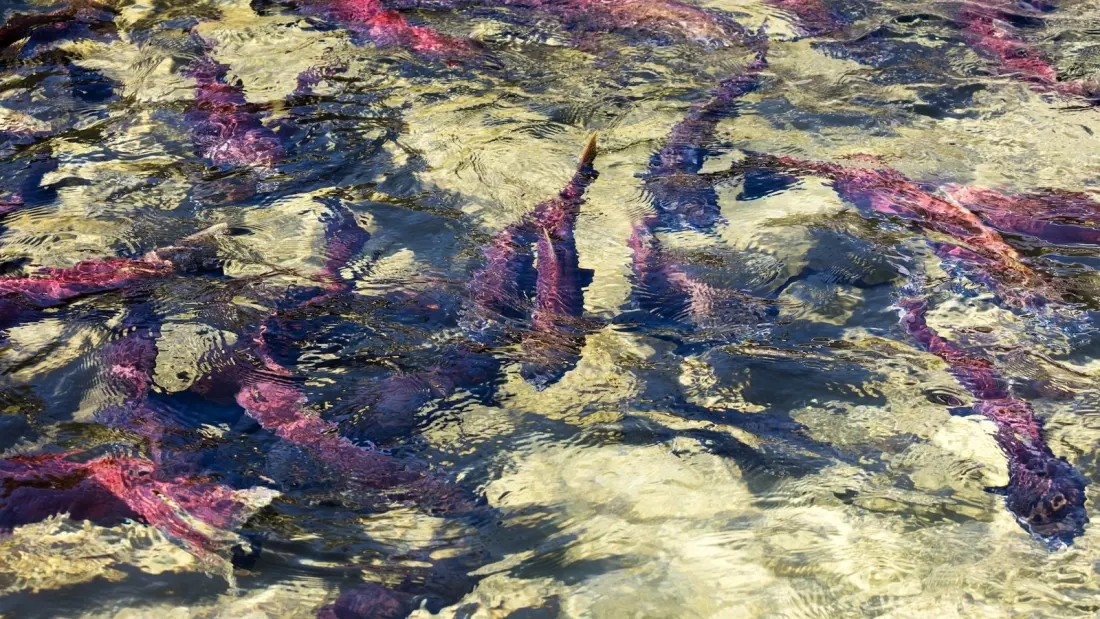
Every autumn, millions of Pacific salmon fight their way back up B.C.'s rivers to the exact gravel beds where they were born, and you can watch it happen without leaving the Vancouver area. The peak window runs from mid-October to mid-November, when coho and chum are on the move — plus pink salmon in odd-numbered years, according to the Pacific Salmon Foundation.
The spectacle is the final act of an anadromous life cycle: salmon are born in freshwater, head out to the ocean to mature, then return home to spawn and die. Not every species follows the same script — steelhead and cutthroat can spawn several times over their lives, while most others get one shot — but the fall rivers all tell some version of the same story.
Around Metro Vancouver, solid viewing spots include Capilano River Regional Park in North Vancouver, Hoy Creek Hatchery in Coquitlam, Tynehead Regional Park in Surrey, Little Campbell River Hatchery, Williams Park in Langley, and the Terminal Creek Fishway on Bowen Island. Squamish is another easy option up the Sea-to-Sky, with its rivers filling up through the season.
The Harrison Valley, east of the city, packs a remarkable number of viewing spots into a small area. Walk the Kilby Provincial Park loop trail in Harrison Mills, the Eagle Interpretive Trail at Sandpiper Resort, the Sts'ailes Heritage Trail, or the Chehalis River Hatchery grounds along Morris Valley Road. In Harrison Hot Springs itself, Qwólts Park and Whippoorwill Point sit right on the water.
Vancouver Island has its own headline act in Goldstream Provincial Park near Victoria, where the annual chum run draws big crowds and hungry bald eagles. Further options include Stamp River Provincial Park near Port Alberni, Sooke Potholes, Englishman River Regional Park, Ayum Creek, and the Qualicum River Hatchery Trails near Qualicum Beach.
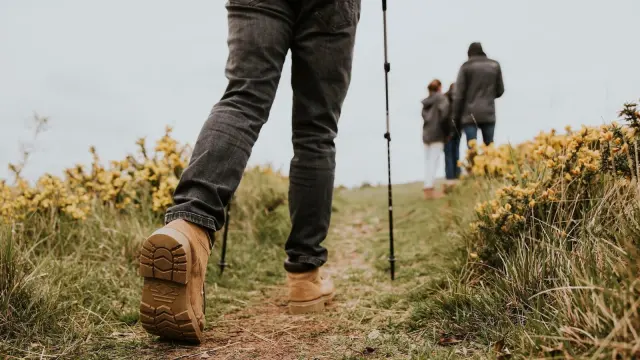
Etiquette matters at these sites. BC Parks suggests binoculars or polarized sunglasses to cut the glare and see the fish clearly, and asks visitors to stick to marked trails, keep quiet, and wear dull-coloured clothing so the salmon aren't spooked. Keep dogs on leash and out of the water, and don't wade through shallow spawning beds — the eggs in those gravel nests are the next generation. It's a free, family-friendly wildlife event that runs for a few short weeks a year, so timing your trip right matters more than any ticket or tour.