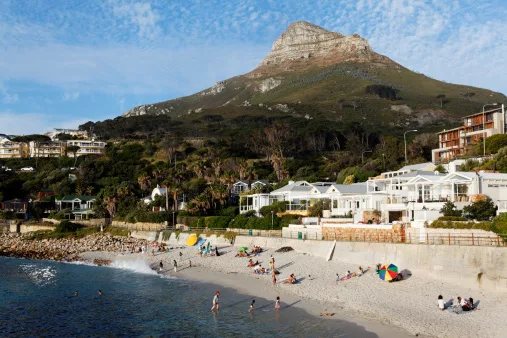
A luxury villa in Camps Bay, one of Cape Town's most photographed seaside suburbs, has reportedly been at the centre of a fake-listing scheme that hit both holidaymakers and estate agents.
According to the property's management company, Camps Bay Apartments, photos of the Lion's View villa were used to advertise accommodation that didn't exist — and to convince estate agents the home was for sale. The alleged scammers went to some lengths: management says a municipal account and other private ownership documents were altered to show a different company's name, then handed to agents as proof of ownership. The supposed sellers, who claimed to own a mine in the Democratic Republic of the Congo, reportedly offered agents a sole mandate to market the villa, and in one case even asked for petrol money for a "stranded" brother in Mpumalanga.
The fallout reached paying guests. A listing called "Mountain View Escape" appeared on Booking.com using photographs of the villa, and at least two groups of travellers — one South African, one Danish — paid for the accommodation, were directed to a different address on arrival, and left reviews calling the listing fraudulent. Management said the listing was still live when they issued their statement. The repeated gate-crashing by agents and confused visitors has also disrupted guests staying at the real property. Owner Elize Sewell's message was blunt: never send money to anyone using the villa's name, and book direct via the official website. The matter has reportedly been referred to the Property Practitioners Regulatory Authority.
For travellers, the practical takeaway matters more than the details of this one case. Fake listings usually follow a pattern: photos lifted from legitimate properties, contact details that don't match the platform, and pressure to pay outside the booking system. Before paying, check that the map location matches the description, look for inconsistencies in reviews and photos, and keep payments within the booking platform so you're covered by its protections. If something feels off, contact the property directly through details on its own website — not the ones supplied by the listing. Anyone who does get scammed should report it both to the platform and to the South African Police Service.
Estate agents get a checklist here too: verify ownership through the Deeds Office, be wary of sellers pushing documents at you, and never advance money to a "seller" — however sympathetic the story.
This is a useful heads-up for anyone booking a Cape Town holiday, especially peak-season Camps Bay accommodation where demand is high and third-party listings multiply. A few minutes of verification beats arriving at the wrong address with prepaid luggage in tow.