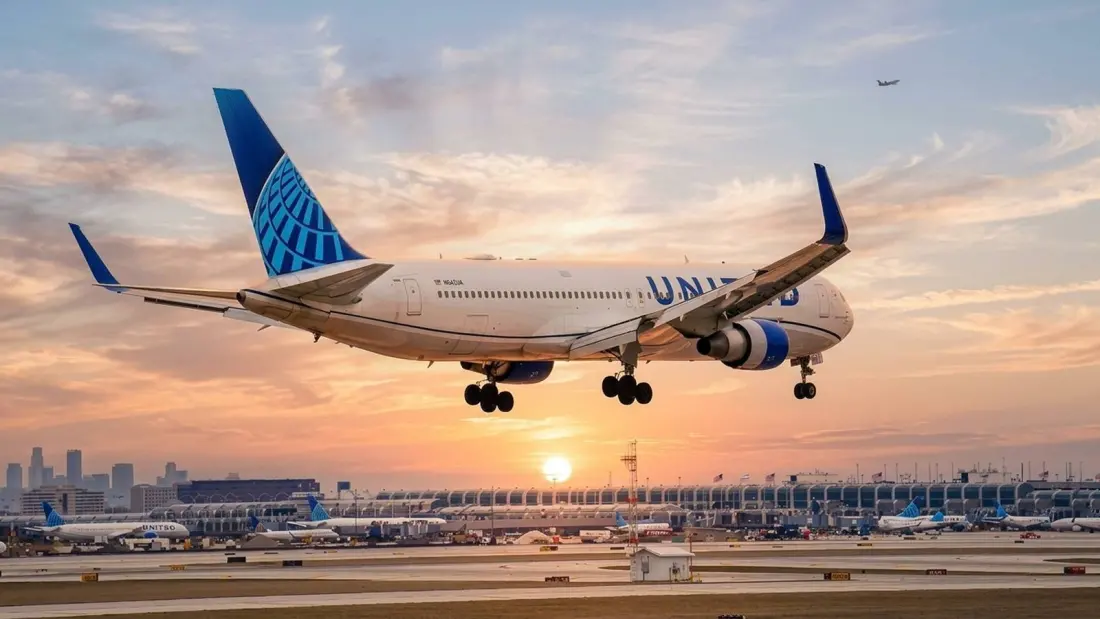
Book a nonstop flight from New York to Europe and there's a decent chance the price was decided not by one airline but by a committee of them. Three antitrust-immunized joint ventures — United with Lufthansa, Delta with Air France-KLM and Virgin Atlantic, and American with British Airways and Iberia — control roughly three-quarters of New York–Europe flights, and a widely shared Wendover Productions video has called them cartels. Regulators haven't used that word, but the economics underneath the accusation is worth understanding before your next booking.
Here's how it works. A regular codeshare lets each airline set its own prices. Antitrust immunity goes much further: partners jointly decide fares and schedules, and in a full joint venture they pool ticket revenue on covered routes. Economists reviewing the structure for the US Department of Transportation described the result as carriers behaving like a single airline.
The evidence cuts both ways. Justice Department economists studying 2005–2010 fares across 115 US–EU routes found each lost independent nonstop competitor raised average one-way fares by about $31 — roughly 7% per competitor, statistically significant. On heavily concentrated routes, nonstop economy fares rise. But the story flips for connecting passengers: a 2019 DOT-contracted study by Brueckner and Singer found joint venture itineraries priced about 7.2% below interline tickets, and around 9% cheaper on transatlantic routes. Since roughly two-thirds of US–EU passengers connect rather than fly nonstop, that benefit touches most travellers.
The same DOT study complicates things further. In its later sample years, adding an immunized pair to an overlapping route was equivalent to removing a competitor — economy fares rose 4–13% — while business class showed no effect. Yet the authors still concluded alliances help on balance: in simulations, nonstop savings were dwarfed by what connecting passengers would pay extra, before counting perks like shorter layovers and single check-in.
Why can't new airlines simply swoop in and undercut? Slots. At Heathrow, takeoff and landing slots trade for tens of millions of dollars, making it brutally hard to challenge an entrenched partnership. Regulators have tried remedies — slot divestitures when oneworld got immunity in 2010, route carve-outs like Frankfurt–Chicago — but studies found carve-outs typically had no measurable fare effect.
The legal bar for breaking up a venture is high, too. In August 2026 the Eleventh Circuit vacated DOT's attempt to end the Delta–Aeromexico venture, ruling the agency hadn't done the comprehensive route-level analysis it historically required. Any fresh challenge would need new fare data, and the best studies now end in 2010 or 2016. The next test comes soon: Lufthansa has asked DOT to approve adding ITA Airways to its venture with United and Air Canada.
For travellers, the takeaway is practical. Flying nonstop in economy on a route dominated by one alliance? Expect less competition and pricier fares. Connecting through a partner hub? You're likely benefiting from the very coordination critics decry. Both things are true at once — which is why the debate persists.