Twice a year, without much fanfare, the world's airline schedules reshuffle. The dates are set by IATA — the International Air Transport Association — and if you've ever wondered why your favourite seasonal route suddenly disappears in late October, this is why.
The system works like this: the IATA summer season runs from the last Sunday in March to the last Saturday in October, and the winter season covers the remaining five months, from the last Sunday in October to the last Saturday in March. The timing deliberately lines up with when daylight saving time starts and ends in Europe, which keeps timetable changes and clock changes happening on the same weekend.
The seasons matter most at slot-controlled airports. Landing and departure slots are allocated seasonally, and airlines operate under a "use it or lose it" rule — if they don't fly their slots, they forfeit them. Because airline network planning is a huge jigsaw puzzle of aircraft, crews and curfews, carriers find it convenient to make their big schedule adjustments on these same weekends, even for routes that aren't tied to slots at all.
For passengers, the practical upshot is simple: the last weekends of March and October are when you'll see the biggest changes. Routes launch or get axed, frequencies go up or down, and aircraft types get swapped — sometimes meaning the difference between a lie-flat seat and a recliner on a long-haul flight.
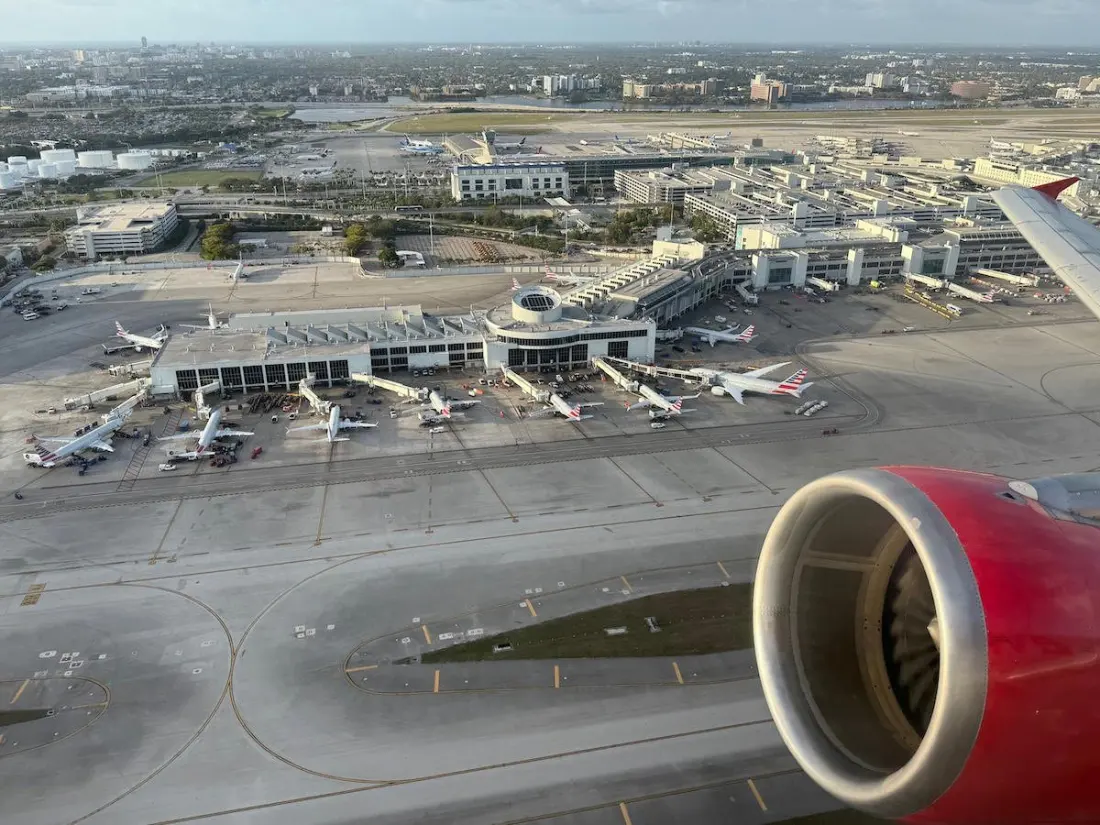
The effect is easy to see in a place like Miami, where demand spikes in winter rather than summer. When the winter schedule kicks in, the city gains a wave of European services — the author notes new winter-season arrivals from Barcelona (LEVEL), Copenhagen (SAS), Dublin (Aer Lingus), Keflavik (Icelandair) and Munich (Lufthansa), alongside plenty of other tweaks. Watch a flight tracker on the day before and after a season change and the shift in the skies is striking.
Why should a traveller care? A few reasons. If you're chasing a seasonal route — a summer hop to a Mediterranean island, or a winter escape to the Caribbean — booking close to the season edges gives you the fullest picture of what will actually operate. If a schedule change is coming, you may want to wait a few days past the flip date before locking in plans, since airlines often retime flights around these weekends. And if you're hoping an airline will restore a cut route or upgrade the aircraft on your route, the season change dates are the most likely moments for that to happen.
It's worth remembering these dates aren't the only time airlines adjust things — routes get tweaked year-round. But if you want to understand why the departure boards look subtly different from one Sunday to the next, or why your booking suddenly shows a different aircraft, the IATA calendar is the skeleton key. Mark the last weekend in March and the last weekend in October, and a lot of airline behaviour suddenly makes sense.
One Mile at a Time