One of the great perks of walking the Camino Francés is that your accommodation occasionally turns out to be an 800-year-old building. A trekker covering the stage from Frómista to Carrión de los Condes — about 11.7 miles through the flat farmland of Palencia — ended day 17 of his pilgrimage at the Monasterio de San Zoilo, a former monastery converted into a hybrid hotel and living museum, complete with private cloisters the staff unlocked for a wander after hours.
The day had plenty of small Camino magic before that. In the village of Población de Campos, an artist was making handmade wax stamps for pilgrims' credenciales — a welcome upgrade on the usual rubber ink stamps collected along the way and checked in Santiago to prove you walked the required distance for the Compostela certificate. In Villalcázar de Sirga, a detour into the church of Santa María la Blanca offered a quiet pew and a bit of history: the traditional route originally skipped this town until medieval miracles attributed to the Virgin Blanca pulled the pilgrimage path through it.
Between the two, the canal-side route out of Frómista delivered some of the prettiest walking on the Meseta — calm water, reed beds, birdsong and frogs, all under the first proper blue sky in more than a week, with snow-capped mountains finally visible on the northern horizon. The day also came with a warning worth noting for anyone planning a Camino: around the two-week, 200-mile mark, overuse injuries start stacking up, much as they do in the same window on America's Appalachian Trail. One pilgrim the writer met was bussing back to Burgos for a foot X-ray.
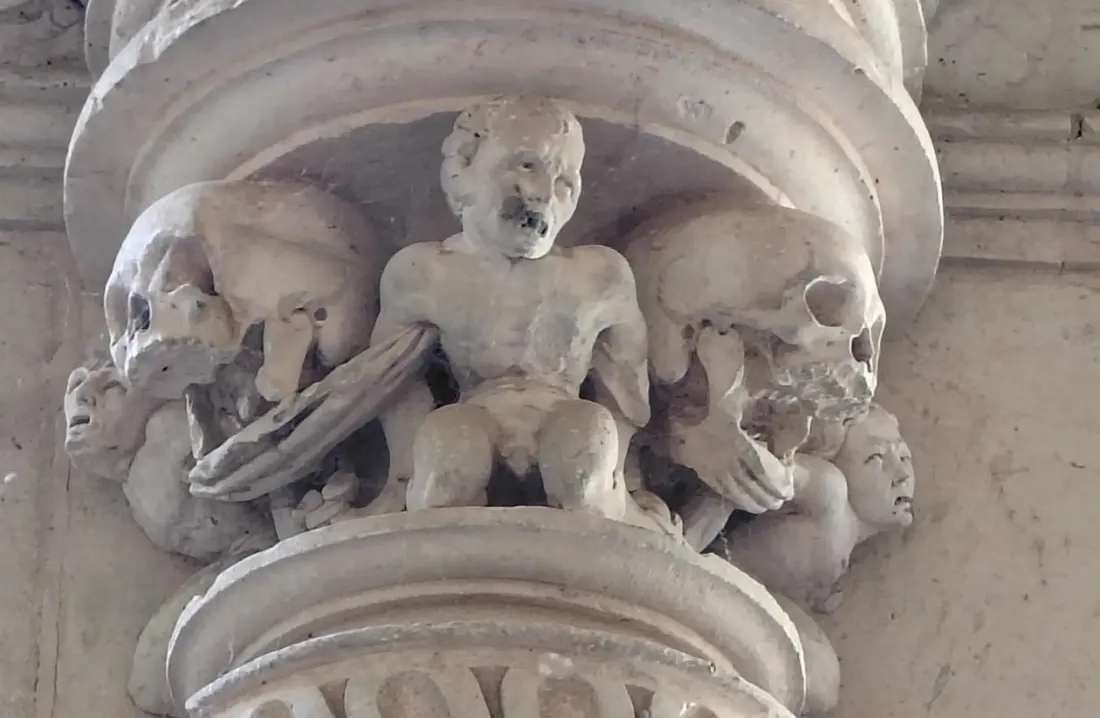
Carrión de los Condes itself makes a rewarding stop, with cobbled medieval streets, a lively main square where locals gathered for live acoustic music and tapas that afternoon, and a long stone bridge with swans on the river below. But the star is San Zoilo. Unlike many European monuments that were looted or vandalised over the centuries, the monastery survived intact — carved stonework, cloisters and all — and staying there feels closer to sleeping in a museum than checking into a hotel.
The story works as both a stage-by-stage report and a preview for travellers considering the Camino's quieter middle section: low crowds, occasional hardship (cold mornings, long foodless stretches, the odd cough doing the rounds), and rewards you simply don't get from a car. If you'd rather have the 13th century than a chain hotel for a night, this is the stretch to walk.