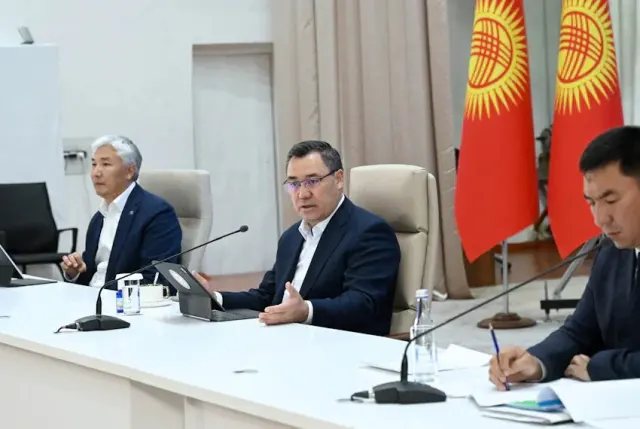
Big things are brewing in southern Kyrgyzstan. President Sadyr Japarov has confirmed that preparatory work on the Kambar-Ata 1 hydropower plant is finished, with main construction expected to start in 2027 or 2028 and wrap up five to six years later. Speaking to residents of Tash-Kumyr and Kara-Kul in Jalal-Abad region, he acknowledged local frustration about crumbling pipes and unreliable water supplies, but pointed to the dam as the region's economic ticket.
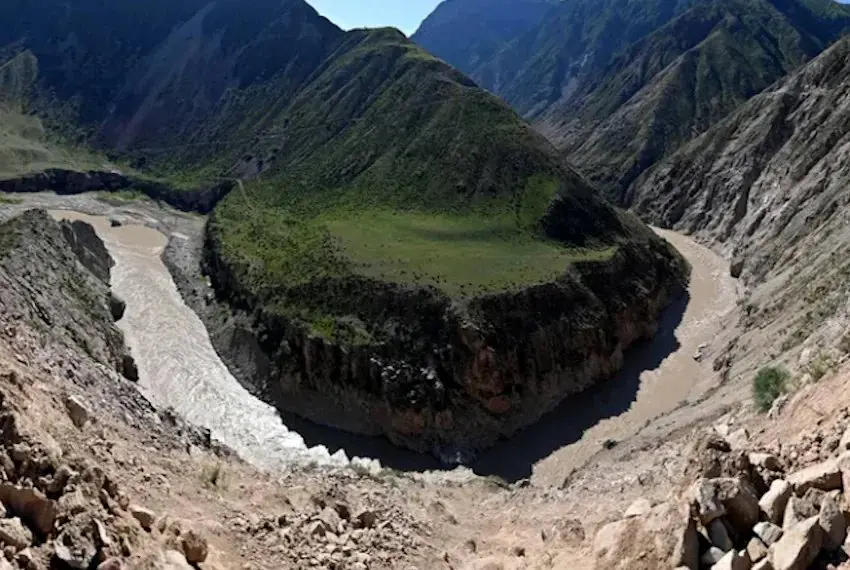
The project is no small undertaking. Kambar-Ata 1 will rise on the Naryn River, the fast-flowing waterway that carves through some of Central Asia's most dramatic mountain terrain. Three generating units will deliver a combined 1,860 megawatts, producing roughly 6 billion kilowatt-hours of electricity a year. The price tag: an estimated $4.2 billion, shared between Kyrgyzstan, Kazakhstan and Uzbekistan — a rare show of joint investment among the three neighbours.
Why should a traveller care? The Naryn valley is already one of Kyrgyzstan's most rewarding routes, a corridor of red-rock canyons, riverside villages and access points toward Song-Kul and the Chinese border. Towns like Tash-Kumyr and Kara-Kul, usually passed through rather than lingered in, sit right in the project's footprint. Over the next decade, expect new roads, upgraded infrastructure and a wave of workers and money moving through Jalal-Abad region — changes that will gradually reshape how independent travellers experience this stretch of the country. It could mean better guesthouses and transport; it could also mean restricted zones around the construction site. Either way, anyone planning a Naryn River run in the late 2020s should keep an eye on how the area develops.
There's also a broader payoff for visitors. Kyrgyzstan already runs almost entirely on hydropower, and extra generating capacity should stabilise electricity supplies in remote valleys, where winter blackouts remain a real issue for homestay owners and trekking operators. A more reliable grid makes off-season travel outside Bishkek noticeably easier.
For now, the practical takeaway is simple: Kyrgyzstan remains one of Central Asia's easiest and cheapest adventures — visa-free entry for dozens of nationalities, world-class horse trekking around Song-Kul, and the Naryn River gorges still blissfully under-visited. If you want to see this region before a megadam changes its rhythm, the window is the next couple of years.