Summer gets all the attention when people plan a first trip to New Zealand, but the people who actually design holidays there keep making the case for March, April and May. A Luxury Travel Blog's take from a luxury tour operator argues that autumn delivers a calmer, more rewarding version of the country — and the numbers back it up: Virtuoso recently reported autumn bookings up 59% year on year among luxury travellers.
Each autumn month does something different. March still feels summery, especially in the north where swimming is a realistic proposition, and it coincides with vintage in Marlborough. Cellar doors are buzzing as grapes come in, so tastings happen against the backdrop of the next wine actually being made. Hawke's Bay is another March pick — think Te Mata Peak in the morning, a winery and an unhurried lunch after.
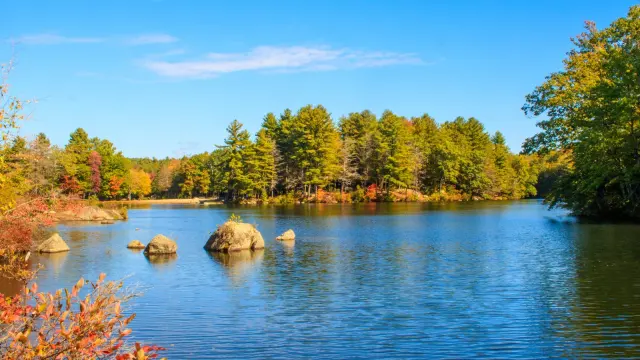
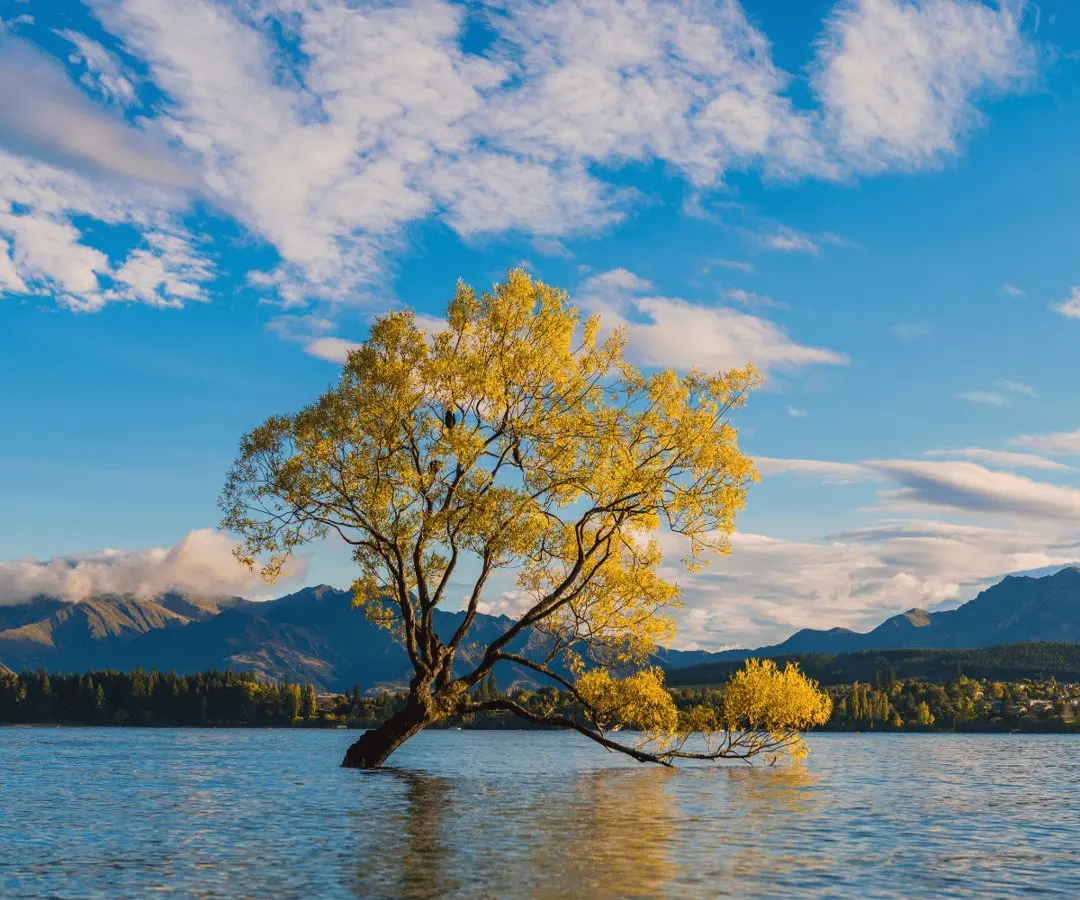
For proper autumn colour, head south. Arrowtown, a former gold-mining town near Queenstown, turns gold and red by April, and its Autumn Festival runs 15 to 18 April in 2027 — a date to either chase or deliberately dodge depending on your taste for crowds. Nearby Clyde and Cromwell work well too, particularly by bike: the Lake Dunstan Trail links the two towns through wine country you'd otherwise simply drive past, and Central Otago's fierce summer heat has usually eased by then.
Food is the other big autumn draw. It's harvest season — grapes, apples and pears — and Bluff oyster season opens in March, a detail that matters enormously to some New Zealanders and not at all to others. The argument is simple: drinking pinot noir in Central Otago or eating lunch at a Marlborough vineyard mid-vintage connects you to a place in a way that ordering the same bottle at home never will.
One underrated bonus of shorter days: the stars come out at a civilised hour. Lake Tekapo, Aoraki/Mount Cook and Twizel sit inside the Aoraki Mackenzie International Dark Sky Reserve, where light pollution is minimal. You can book an observatory tour, or just find somewhere dark, rug up and let your eyes adjust for a few minutes.
Weather is the wildcard — March can be warm while May brings cold mornings and the possibility of snow on South Island peaks — so layers and a decent jacket are the sensible approach, with flexibility built into any mountain plans. The month you choose should shape the route: March for warmth, coast and North Island-focused itineraries; April for Central Otago colour, cycling and pinot noir; May for cosy fires, first snow and shorter, moodier days. The key point is that autumn in New Zealand isn't a summer trip with the dates shifted — it rewards being planned as its own thing.
For travellers who care more about food, wine, walking and dark skies than beach weather, this is a genuinely useful window: fewer crowds, lower-key roads and a version of the country most first-timers never see. Story via A Luxury Travel Blog.