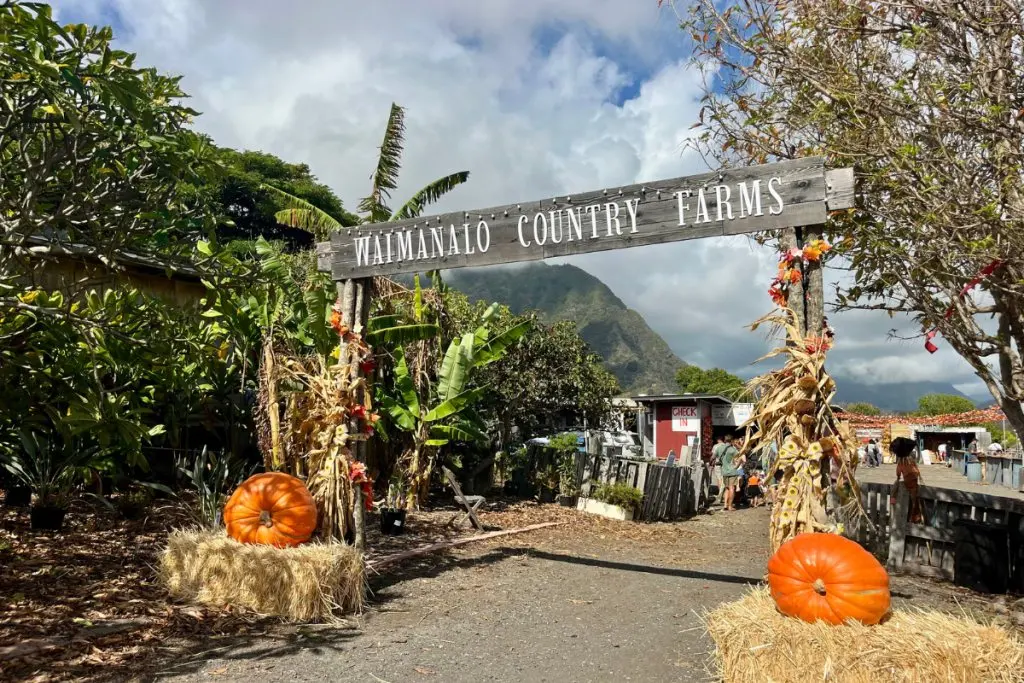
Hawaiʻi doesn't do pumpkin-spice weather. But fall is quietly one of the best times to be on the Islands, and not just because the crowds thin out once school is back. The weather cools, the worst rain hasn't arrived yet (that's November to March), and a run of local events and seasonal arrivals fill the calendar.
Start with the farms. Waimānānalo Country Farms on Oʻahu's Windward Side runs its Fall Harvest Festival from 29 September to 11 November 2026, with kids able to meet goats, pigs, horses and alpacas beneath the Koʻolau Mountains — plus pumpkin picking, local honey and cold 'Nalo Lemonade. Over on Maui, Kula Country Farms keeps its pumpkin patch open every day of October.
Autumn also kicks off wildlife season. North Pacific humpback whales start arriving in November, with 10,000 to 12,000 making the trip from Alaska to breed and calve. Maui's waters are the classic spot, but on Oʻahu you can scan for them along the Makapuʻu Lighthouse Trail or from Diamond Head Beach Park. Just as charming, and easier to spot: the kōlea, or Pacific golden plover, which flies more than 2,000 miles nonstop from Siberia or Alaska and then proceeds to strut across parks, beaches, golf courses and even the crater of Haleakalā.
Food-wise, persimmon season runs October to December on Maui, where the 5-acre Hashimoto Persimmon Farm in Kula grows three Japanese varieties — fuyu, maru and hachiya — on trees that include some over a century old. The state's largest harvest tops 40,000 pounds a year.
On the events front, the Hawaiʻi Food & Wine Festival spreads across Oʻahu, Maui and Hawaiʻi Island, and the Hawaiʻi International Film Festival turns 46 in 2026, kicking off 14 October with films from across the Pacific and Asia and a strong focus on Native Hawaiian and Indigenous filmmakers. For something darker, master storyteller Lopaka Kapanui leads Mysteries of Hawaiʻi ghost-tour walks through the Islands' hauntings and legends.
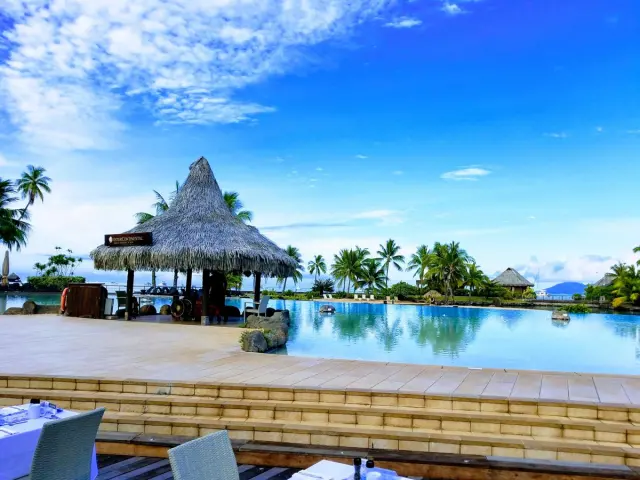
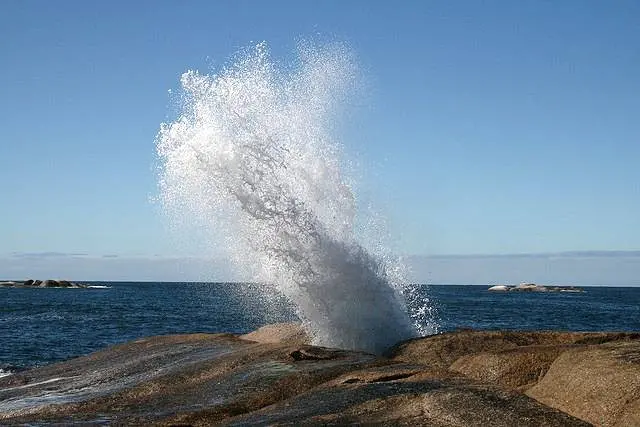
And then there's simply being outside. Early autumn surf stays mellow before the big north shore swells arrive in November and December, which makes for clean, beginner-friendly snorkelling, swimming and surf lessons. Trails are quieter and cooler too, with daylight still on your side.
One caveat: October is the tail end of shark pupping season, when the rare incidents that do happen are statistically more likely — worth knowing, not worth worrying about.
For travellers flexible on timing, autumn delivers Hawaiʻi's usual appeal with fewer people, softer prices and a genuinely local layer of festivals and seasonal food you'd miss in peak summer. Credit: Hawaii Magazine.