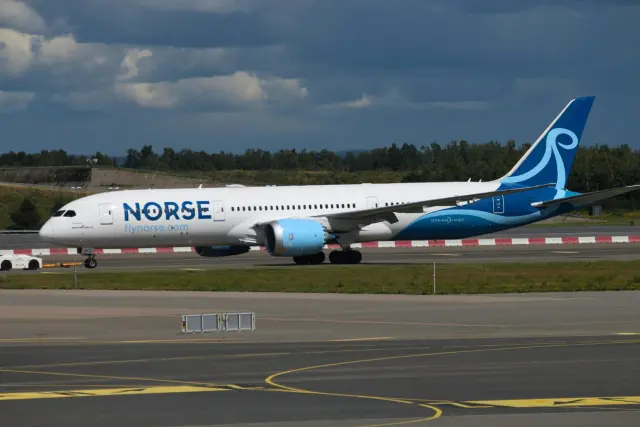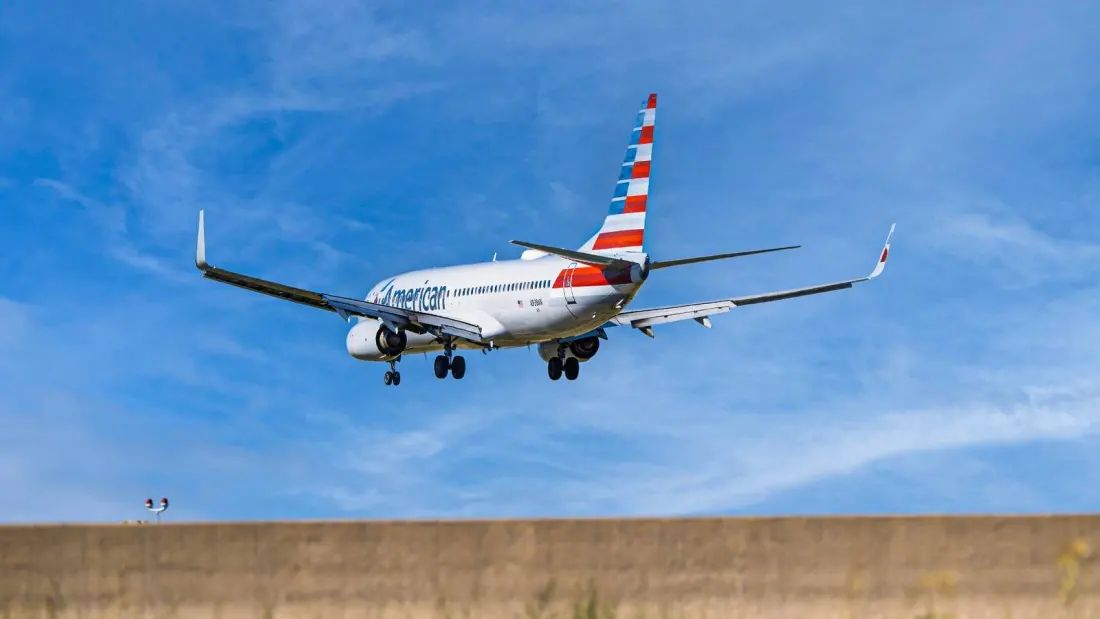
Next time you board a 737, glance out the window after takeoff. Those main wheels don't vanish behind sleek doors like on most airliners - the sides of the tires stay exposed in flight for the entire journey. It's a quirk Boeing baked into the aircraft in 1967 and has never abandoned, not even on the current MAX generation.
The story starts with the 737's original mission. Designed as a small jet for short hops, it was expected to serve rough, underdeveloped airfields where maintenance facilities were basic. Leaving the main landing gear bay uncovered meant crews on the ground could inspect and service the wheels without wrestling with a complex door mechanism. Simple, robust, cheap.
That logic has aged better than you might think. Doors would add weight, which means more fuel burn, plus extra parts to maintain and potentially a bigger belly fairing, which creates its own drag. Boeing mitigates the aerodynamic penalty with rubber seals around the wheel wells, small doors over the struts, and hubcaps on the outer wheels. On short sectors, the weight and simplicity savings can outweigh the drag cost entirely.
Plenty of other aircraft agree. Embraer's ERJ line, Bombardier's CRJs, the ATR 42 and 72, many business jets - and even the Airbus A220, the newest Western airliner in service - all fly with exposed main gear. Meanwhile the original 737's direct rival, the McDonnell Douglas DC-9, and later the Airbus A320, went with fully covered bays. The A320 is the fascinating comparison: nearly identical size, range and mission to the 737, yet Airbus judged doors the better trade-off. The answer likely lies in each aircraft's specific airflow and aerodynamic profile, which only the manufacturers fully understand.
There's a limit, though. Every airliner with four or more wheels per gear bogie - from the 757 up to the 787 - has doors, because exposing a gear assembly that size would be impractical. The 737, with its two-wheel setup, sits right at the boundary where the exposed design still makes sense, making it one of the largest airliners ever to fly this way.
Why should a traveller care? Mostly because it's a great piece of aviation trivia that explains why the plane taking you to your beach holiday sounds a bit noisier after takeoff than an A320 might. It also highlights the split personality of the Boeing-Airbus duopoly: the 737 MAX burns less fuel in climb and stays lighter, while the A320neo is more efficient in cruise - two different engineering philosophies solving the same problem. When your next short-haul flight is on a 737, you'll know exactly why those wheels are hanging out in the breeze.
Story via Simple Flying.