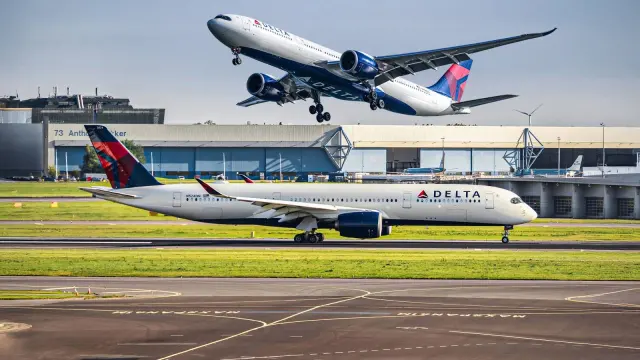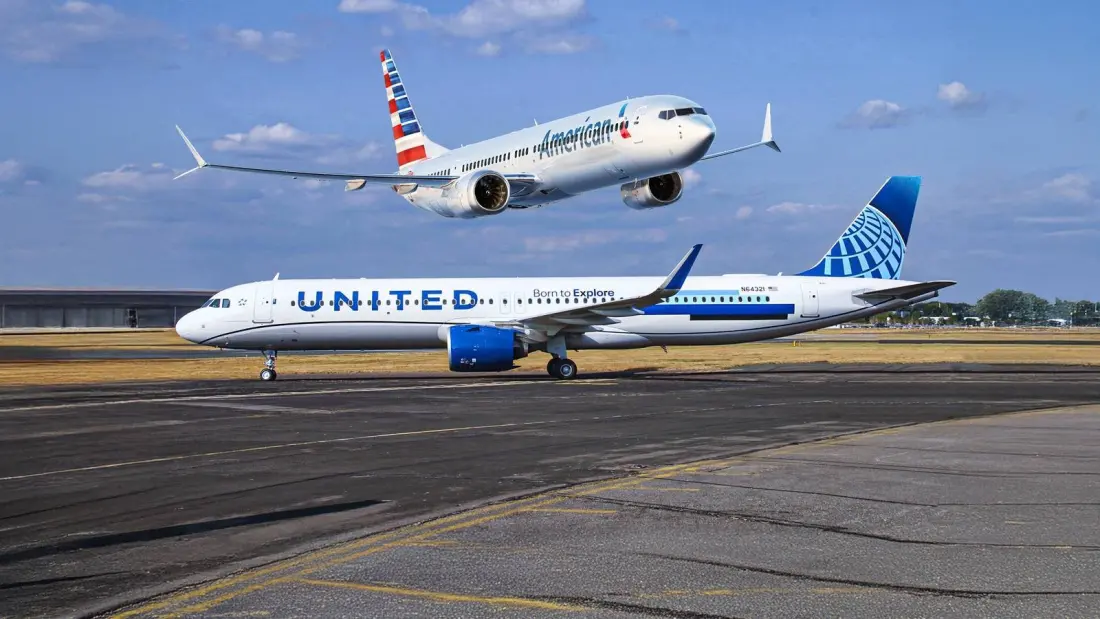
Delta, United and American have all committed to Boeing's newly certified 737 MAX 10 — 382 aircraft between them — yet only two of the three legacy carriers are buying Airbus's long-range A321XLR. The split says a lot about how these airlines plan to fly us around over the next decade.
The MAX 10, which recently received certification, is Boeing's long-awaited answer to the hugely popular A321neo. It stretches the 737, raises the maximum takeoff weight and reworks the landing gear, promising the best economics of any 737 yet. American has ordered 115, United 167 and Delta 100, with deliveries starting in 2027 for Delta and United and 2029 for American. Both Delta and American will fit 24 first-class seats rather than the 20 originally expected — a nod to booming premium demand. Crucially, the MAX 10 isn't a transatlantic aircraft; it's a domestic and short-haul workhorse with transcontinental range, and airlines love it because bigger planes burn barely more fuel than smaller ones while the industry's mastery of fare buckets and basic economy fills the extra seats.
The A321XLR is a different animal. It's the first single-aisle jet designed to cross the Atlantic cheaply, opening up thinner routes that widebodies can't make work. American has ordered 40 — some to replace its premium A321T transcontinental subfleet, the rest to grow transatlantic flying from Philadelphia, its smaller hub, where the XLR's low capacity and costs matter most. United's 50 are dedicated replacements for its ageing Boeing 757-200s, freeing the airline to launch unusual European destinations like Toulouse and Luxembourg in 2027.
Delta is the holdout, and its reasons are revealing. Its pilot contract contains a 'Global Scope' clause requiring long-haul flying by joint-venture partners to be matched one-for-one by Delta's own aircraft — but only widebody flights count. Flying narrowbodies across the Atlantic would generate zero credit toward that obligation. Delta also argues long-haul narrowbody service doesn't suit its brand, and it has leaned on smaller widebodies and partners for years anyway.
What does this mean for travellers? Expect more nonstop US–Europe options from secondary hubs like Philadelphia, plus offbeat destinations served cheaply by United's XLRs, often with lie-flat business seats transcontinental and snug but viable business cabins on transatlantic hops. Domestically, the MAX 10's extra first-class seats signal airlines betting you'll pay up for the front of a bigger plane. Boeing, meanwhile, has effectively conceded the long-range narrowbody niche to Airbus — a market of roughly 460 XLR orders versus nearly 8,000 for the A321neo family — and bet instead on the 1,500-plus MAX 10s, where the real volume lies.