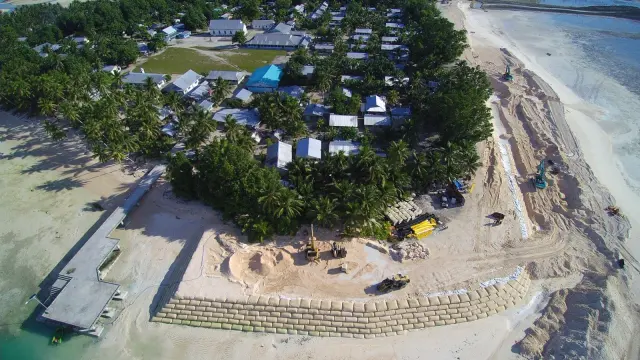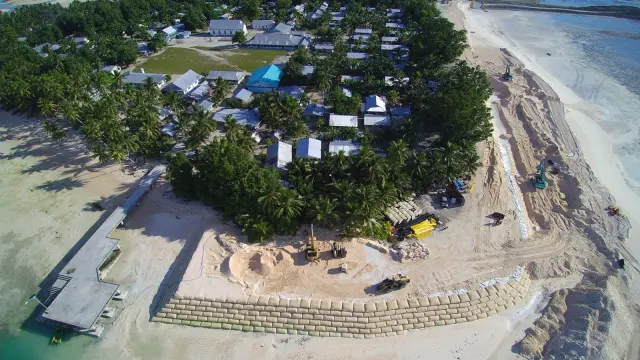
National Geographic's Pristine Seas team has been quietly working its way across the Pacific, and what its scientists found in Tuvalu has made headlines of a sobering kind: widespread coral mortality at a level the team itself did not expect. The expedition findings are now feeding directly into how these island nations plan protection of their waters — and they're a reminder for travellers that the health of the region's famous reefs is under real pressure from warming seas.
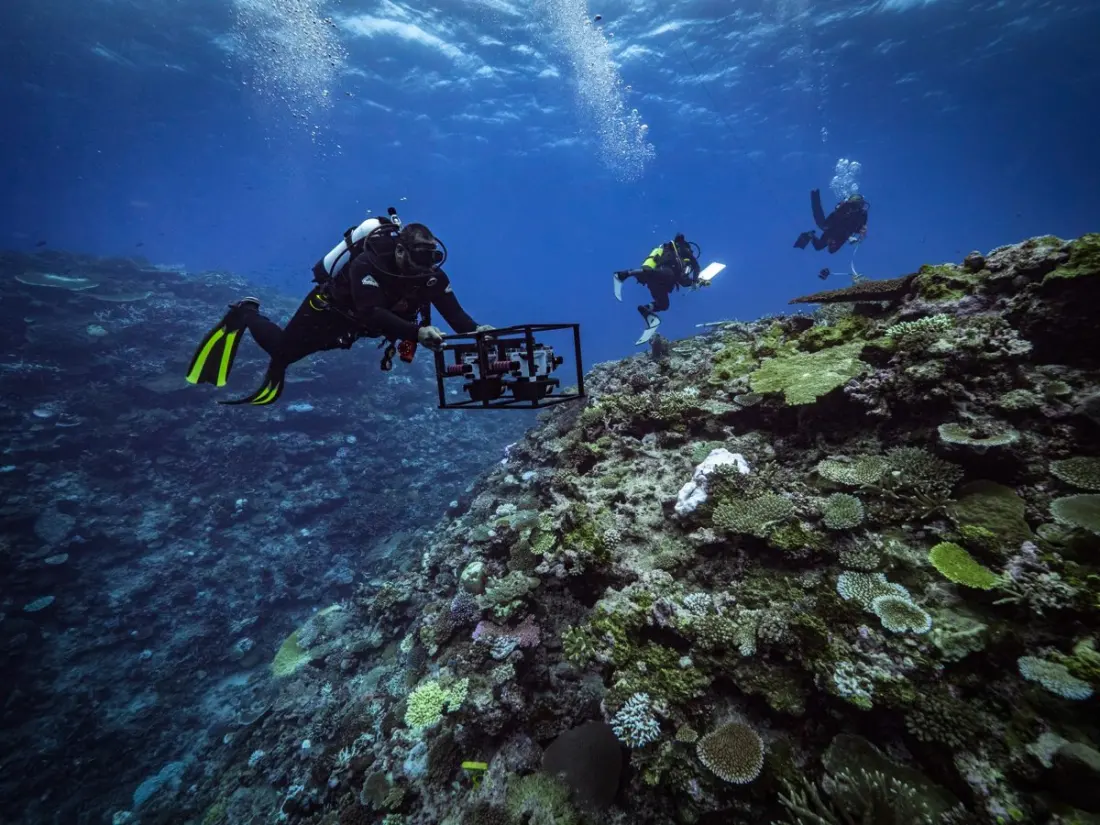
Pristine Seas, which began its Pacific work in 2023, started engaging with governments and local communities in Fiji and Tuvalu in 2024. That led to expeditions in Tuvalu in 2025, and then in Fiji — covering Kadavu, the Yasawa Islands and the Great Sea Reef region, one of the largest reef systems on the planet. The mission is documentation on a grand scale: counting species, mapping abundance, and working out what role each creature plays in the ecosystem. Teams survey seabirds, marine mammals and turtles from land and sea, divers census fish, invertebrates and corals underwater, and baited remote underwater cameras reveal what's happening with predators such as sharks.
Processing the data takes roughly a year. Once it's ready, the team returns to present results to governments and stakeholders, informing marine spatial planning, national action plans and conservation priorities. In Tuvalu, despite the grim coral news, the government responded constructively — marine scientist Katherine Millage argues that good science, combined with traditional knowledge, is the best tool governments have for managing their resources.
Millage's broader argument is one worth absorbing before your next snorkelling trip: climate conversations tend to fixate on shallow reefs and mangroves, but the deep sea, open pelagic waters and areas beyond national jurisdictions matter just as much — and everything is connected through currents, tides and winds. Keeping warming below 1.5 degrees Celsius, she says, is achievable, and reefs can genuinely recover after disturbance when given protection and well-managed fisheries. She'd like ocean health to take centre stage in the dialogue at COP31.
For travellers, this is directly relevant. The Yasawas are a fixture on Fiji's resort and backpacker circuits, Kadavu draws divers to its fringing reef, and Tuvalu is one of the world's least-visited and most climate-vulnerable countries. The condition of these reefs determines what future visitors will actually see underwater — and tourism done responsibly, alongside protected areas and sustainable fishing, is part of the recovery story. Choosing operators that respect marine rules and reef-safe practices is a small but real way to support that effort.
The takeaway is cautiously hopeful rather than despairing: parts of the Pacific are hurting, but the science is catching up, governments are listening, and reefs can bounce back. Anyone who has ever drifted over a healthy Pacific reef has a stake in that outcome.