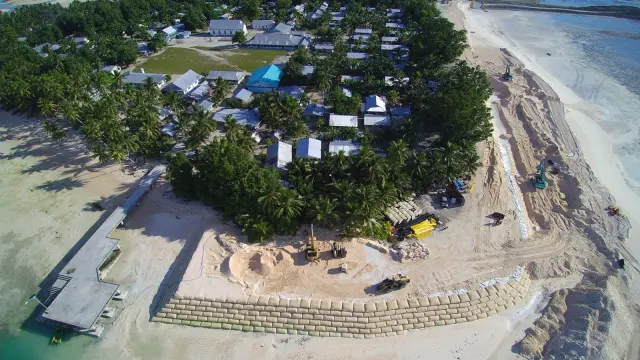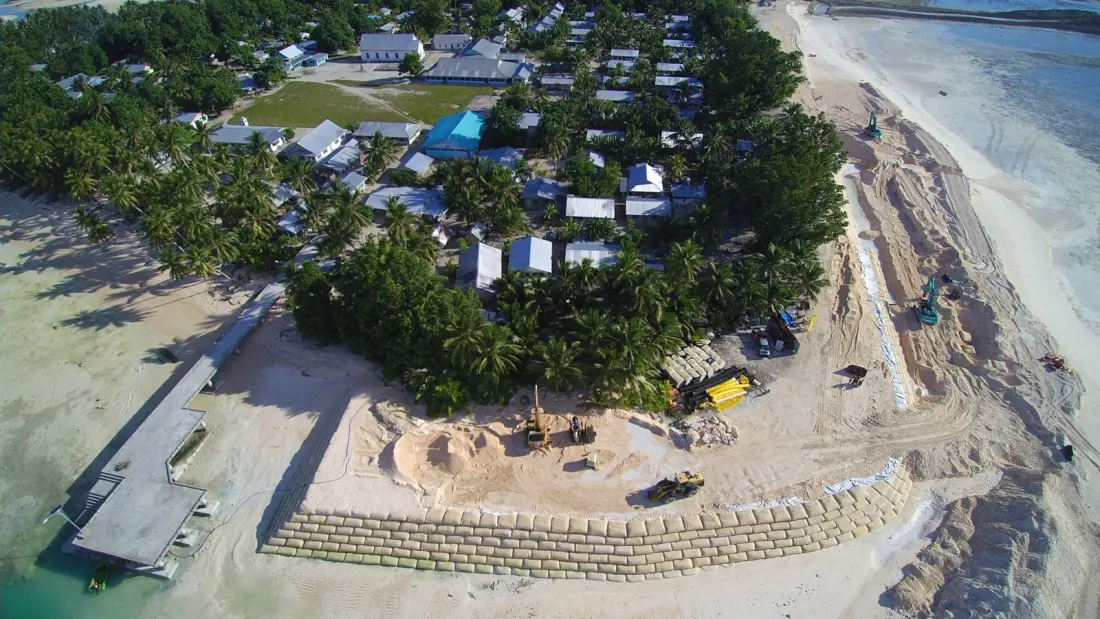
A seawall can be counted, costed and photographed. The illness, exhaustion and grief that follow a Pacific cyclone cannot — and that, says public health doctor Remco van de Pas, is the gap in global climate policy.
Speaking ahead of COP31, van de Pas, who leads research on climate justice and health at the UN University's International Institute for Global Health in Kuala Lumpur, worked with Public Services International, the Fiji Nursing Association and the Pacific Council for Education during Pre-COP events in Fiji. His argument is straightforward: climate change is a health crisis, and the people who carry its costs — nurses, community carers, families dealing with repeated disasters — are largely absent from the rooms where climate money is allocated.
The figures back him up. The World Health Organization estimates climate change will cause roughly 250,000 additional deaths per year between 2030 and 2050. In the Pacific, the pathways are familiar: malaria and other vector-borne diseases, contaminated water and food insecurity, plus heat that stresses farmers and may even shorten pregnancies. Beyond the physical toll, van de Pas stresses the mental health burden — heat affecting mood, displacement producing distress, and a grief he describes as social and communal rather than individual. Response, he argues, needs collective coping and mourning, not just counselling sessions.
His second target is climate finance itself. Funding flows towards renewable energy and infrastructure, while the care economy — around 70 per cent of it done by women, much of it unpaid — falls between the cracks. Yet he points to evidence that investing in community health and care could return two to three times the economic gain, making inaction the more expensive option.
There is also a workforce dimension that Fijians know well. When publicly trained nurses and doctors move abroad for better pay, Fiji's public finances effectively subsidise richer countries. Van de Pas wants mobility preserved — people have every right to move — but paired with compensation for countries of origin, and portable pensions, tax and social-protection rights that follow workers home.
For COP31, his wishlist is concrete: put health costs into loss-and-damage discussions, including disability and years lived in illness; make health and education services eligible for climate-finance grants under just-transition schemes; and give health workers a seat in negotiations, not just lawyers and government officials. Health workers, he says, can give the crisis a human face — though you may need to go down to the villages to hear them.
Why does this matter to travellers? Anyone who loves the Pacific — its reefs, villages and island communities — has a stake in how the region weathers what's coming. Climate policy that funds only concrete ignores the nurses, carers and communities who actually hold these islands together, and that's worth knowing when you choose operators, donations and destinations that support local resilience rather than just scenery.