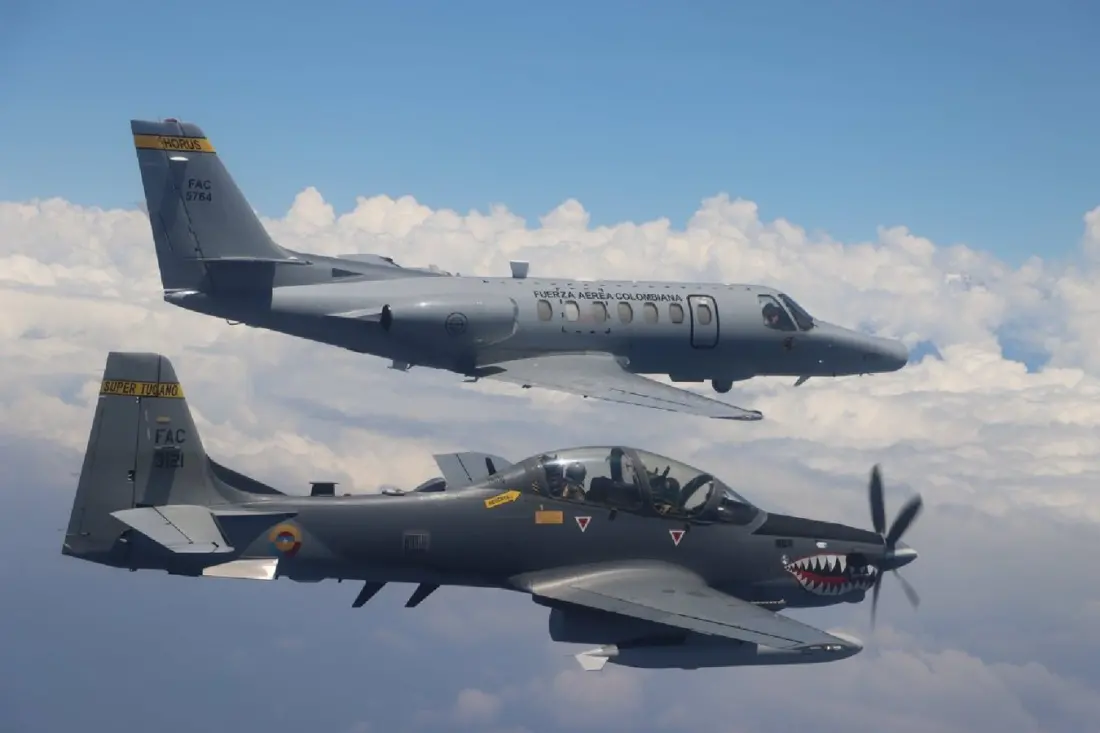
Colombia's new president, Abelardo de la Espriella, is barely 100 days into his term and has already ordered eight military bombings against illegal armed groups. The latest, in rural Taraza in the department of Antioquia, killed eight members of the Clan del Golfo, the country's largest criminal organisation — among them Haminton Mosquera, alias 'Negro Perea', a top-priority target with over two decades of criminal activity and a reward of up to 2.018 billion pesos (roughly US$609,000) on his head. The operation, run by the National Army with police intelligence and air force support, also netted five rifles, pistols, antipersonnel mines and a destroyed camp used to coordinate operations.
It came just two days after a seventh strike near Tibu, in Norte de Santander's volatile Catatumbo region, that killed four FARC dissidents and captured six others, including a figure said to be close to that faction's top leader. Weapons seized there included drones adapted to carry explosives — a tactic that's spreading fast.
Because the armed groups are hitting back. Drones have been launched against military bases and civilian areas, and media outlets have been threatened and attacked — including RCN's offices in Cali. In La Guajira, the wife of the mayor of Uribia was kidnapped, with early suspicion pointing to the ELN; the government locked down the border zone to stop the perpetrators reaching Venezuela. Espriella has responded with blunt rhetoric, promising the offensive won't stop and warning that state authority will be imposed on contested territory.
So what does this mean if you're planning a trip to Colombia? For the moment, the mainstream tourist circuits — Cartagena, Medellín's city districts, Bogotá, the coffee region, San Gil, Tayrona — operate as normal, and day-to-day tourism continues. But the security picture in specific rural and border areas is genuinely volatile: Catatumbo, parts of Antioquia's interior (Taraza is in the northerly Bajo Cauca corridor), La Guajira's border zones and areas near the Venezuelan frontier are active conflict zones rather than holiday territory. Government advisories already warn against non-essential travel to several of these departments, and this escalation is unlikely to improve them soon. If your itinerary includes any rural excursions, check current foreign ministry travel advisories and local news before you book, and stick to destinations the authorities consider stable. Colombia remains one of South America's most rewarding trips, but right now the smart move is travelling to its established tourist zones and leaving the northern and border frontier areas off the list until things settle.