Hours before a scheduled 19 November auction in California, a Samoan youth group and a US environmental organisation went to court to block the sale of 31.5 million acres of ocean floor off American Samoa for potential deep-sea mining.
The plaintiffs are Finafinau, a grassroots organisation built around Samoan cultural identity and young leadership, and the Natural Resources Defense Council. They filed suit in the US District Court for the District of Hawaii, arguing that the federal Marine Minerals Administration cut corners on environmental review in its push to open the seabed to commercial mining for the first time. The lawsuit cites violations of the Administrative Procedure Act, the National Environmental Policy Act, the Outer Continental Shelf Lands Act and the National Historic Preservation Act.
There is already a legal precedent working in the plaintiffs' favour. A federal judge recently voided the National Marine Fisheries Service's approval of the proposed lease sale after finding that the government's Endangered Species Act consultation broke the law. Finafinau and NRDC are now asking the court to throw out any leases that might be signed at the sale.
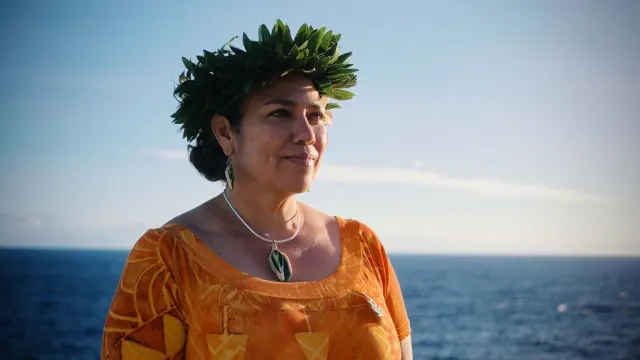
For locals, the stakes go well beyond environmental fine print. "The ocean is not an empty space to be exploited for profit. It is our source of food, our cultural identity, our livelihood," said Finafinau founder Sabrina Suluai-Mahuka, who noted that communities and local leaders have opposed the sale without ever being meaningfully consulted.
NRDC's Taryn Kiekow Heimer flagged a wider concern: these leases run at least 20 years, and Guam and the Commonwealth of the Northern Mariana Islands are next in line if the American Samoa sale goes ahead. In other words, this auction would set the template for how the US opens the deep sea around its Pacific territories — over the objections of the people who live there.
Why should travellers care? American Samoa is one of the most remote and least-visited corners of the United States: a territory where national marine sanctuaries, pristine reefs and traditional village life are the entire draw. A mining rush on this scale would directly shape the health of the waters visitors come to snorkel, dive and fish, and the case is a live test of whether Pacific communities get a say in what happens to their ocean. Anyone following responsible travel in the Pacific — or eyeing the territory's National Park of American Samoa — will want to watch how the Hawaii court rules.