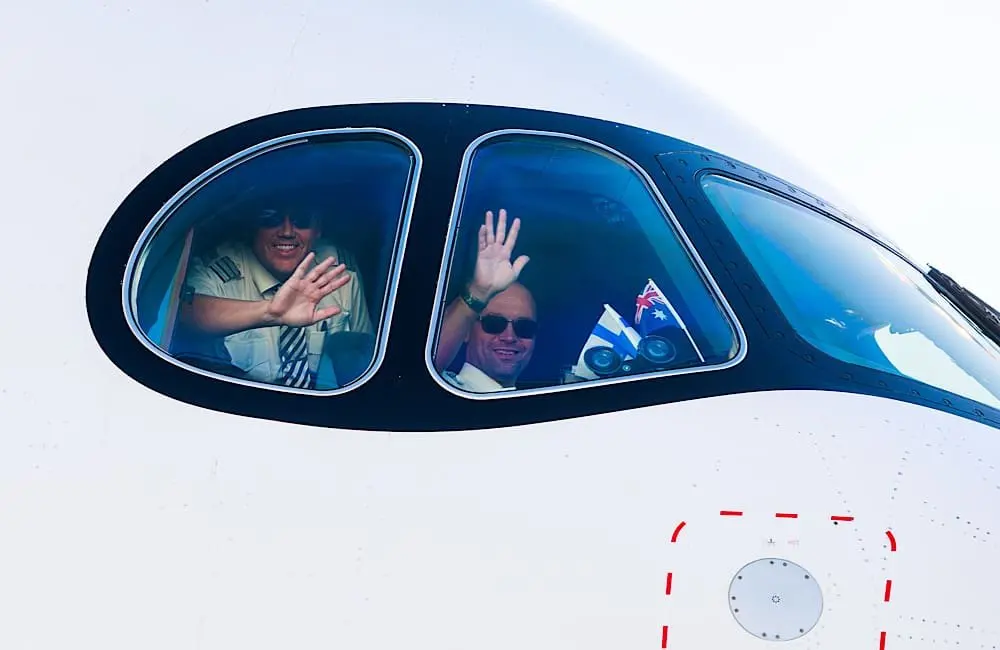
Melbourne just posted its strongest October on record for international travel, with 1,056,569 passengers passing through the airport's international gates — a 2.3 per cent bump on the same month last year. Two new arrivals helped drive it: TransNusa kicked off a Bali service during the month, and Finnair touched down from Helsinki via Bangkok on 26 October, making Melbourne the only Australian city with direct service from an EU-based carrier.
The domestic picture is less rosy. October's domestic numbers dropped 2.3 per cent to about 2.2 million passengers, which the airport pins on airlines trimming capacity as fuel prices climb. That slide outweighed the international gain, leaving total traffic (excluding transit) down 0.8 per cent for the month. Year-to-date international figures are also slightly behind last year, at 4,018,176 passengers for the first four months of the financial year.
Still, the departure board is filling up fast. Korean Air returns to Melbourne on 18 December — its first time since 2013 — flying to Seoul Incheon three times a week until 14 March 2027. Then British Airways starts a year-round, daily Melbourne–London Heathrow service via Kuala Lumpur on 11 January 2027. Alongside the newcomers, Qatar Airways, Air India, Singapore Airlines and China Eastern have all added capacity, so the one-stop reach from Melbourne is broader than it has been in years.
All this growth is putting pressure on infrastructure. New pick-up and drop-off zones for Terminals 1, 2 and 3 opened in October, groundwork for a $4.5 billion expansion of the international terminal. Beam lifts are done for a bridge linking Terminals 1 and 2 with the new T123 transport hub.
Why it matters for travellers: if you're flying out of Melbourne, your options just multiplied — cheap and cheerful Bali on TransNusa, Scandinavia via Helsinki with Finnair, seasonal Seoul flights over the southern summer, and a daily London route from January. Melbourne Airport reckons every daily international service is worth roughly $190 million a year to Victoria's economy, so expect airlines and the airport to keep competing for your booking.