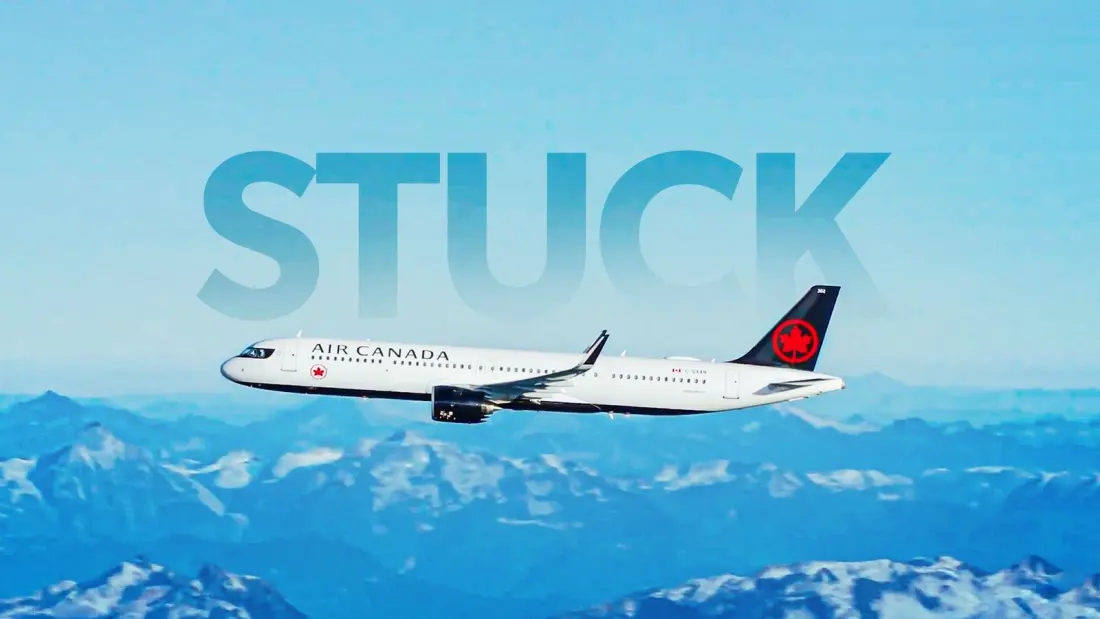
The Airbus A321XLR has quietly changed transatlantic flying — a single-aisle jet that can cross an ocean on routes up to 4,700 nautical miles and roughly 11 hours. But the way it gets there is unusual: for the first hours of a long flight, the plane is deliberately stuck at lower altitudes, inching its way upward as it burns fuel.
The reason is weight. When the XLR lifts off, it can weigh up to 223,000 lb (101,000 kg), the heaviest of any A321 variant, thanks largely to a fuel capacity of nearly 10,500 gallons. Much of that sits in a conformal Rear Center Tank built into the aft fuselage, adding 3,408 gallons without swallowing the underfloor baggage space. A heavily loaded jet's wings simply can't generate enough lift in the thin air near 37,000 feet, so pilots start out lower — often capped around 32,000 feet — and the final stage of even that climb can crawl along at just 500 feet per minute.
From there, it's a slow-motion negotiation with air traffic control called step climbing. Burning roughly 5,000 lb of fuel per hour, the aircraft lightens steadily, and every few tons burned the crew requests a climb of around 2,000 feet. On a ten-hour crossing, that usually means one or two steps before reaching the final, most efficient level. Racing higher too soon is genuinely risky: a heavy narrowbody pushed to its limits approaches 'coffin corner,' where the gap between stalling and overshooting the critical Mach number shrinks to a few knots. Crews are trained to fly up to 2,000 feet below the aircraft's technical ceiling just to keep a safety buffer, which costs roughly 2.5% extra fuel per hour in denser air — an accepted price of doing business.
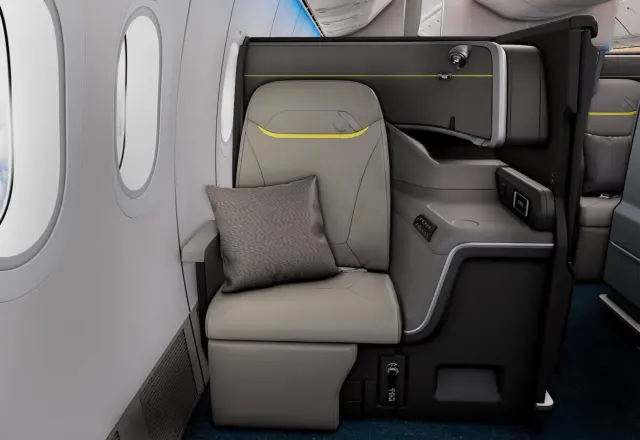
Here's the twist for passengers: that early inefficiency actually works in your favour. Lower cruise altitudes mean the cabin doesn't have to be pressurised as aggressively, so the XLR's Airspace Cabin sits closer to a 6,000-foot equivalent altitude instead of the 8,000 feet typical of narrowbodies — a big part of why you land with less of the headaches, dehydration and exhaustion we call jet lag. Airbus leaned into this, tuning the cabin to feel closer to its widebody A350 than to an older Boeing 757.
If you're choosing a transatlantic or intercontinental route, that matters. The XLR is now flying for airlines like Iberia, Aer Lingus, JetBlue and others on thinner long-haul routes where a widebody wouldn't fill its seats, often from secondary airports that spare you the mega-hub hassle. You get long-haul range with a fresher arrival, and the aircraft's slow climb is precisely why. Same ticket price bracket, friendlier cabin air — a rare case where an engineering compromise becomes a traveller perk.