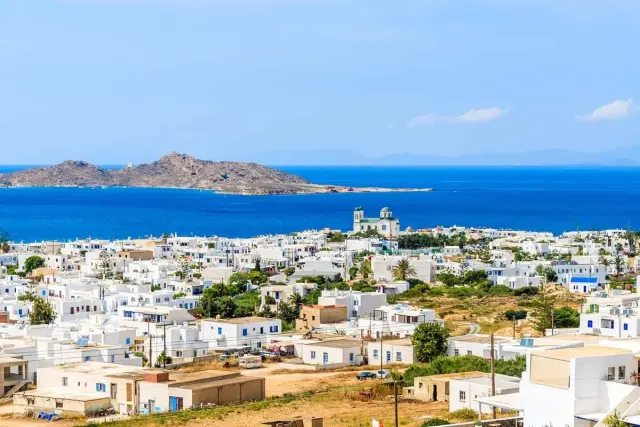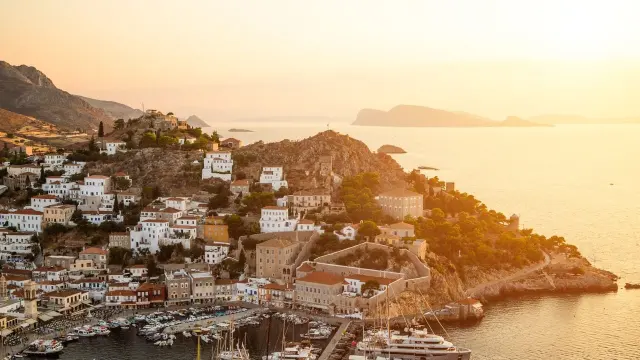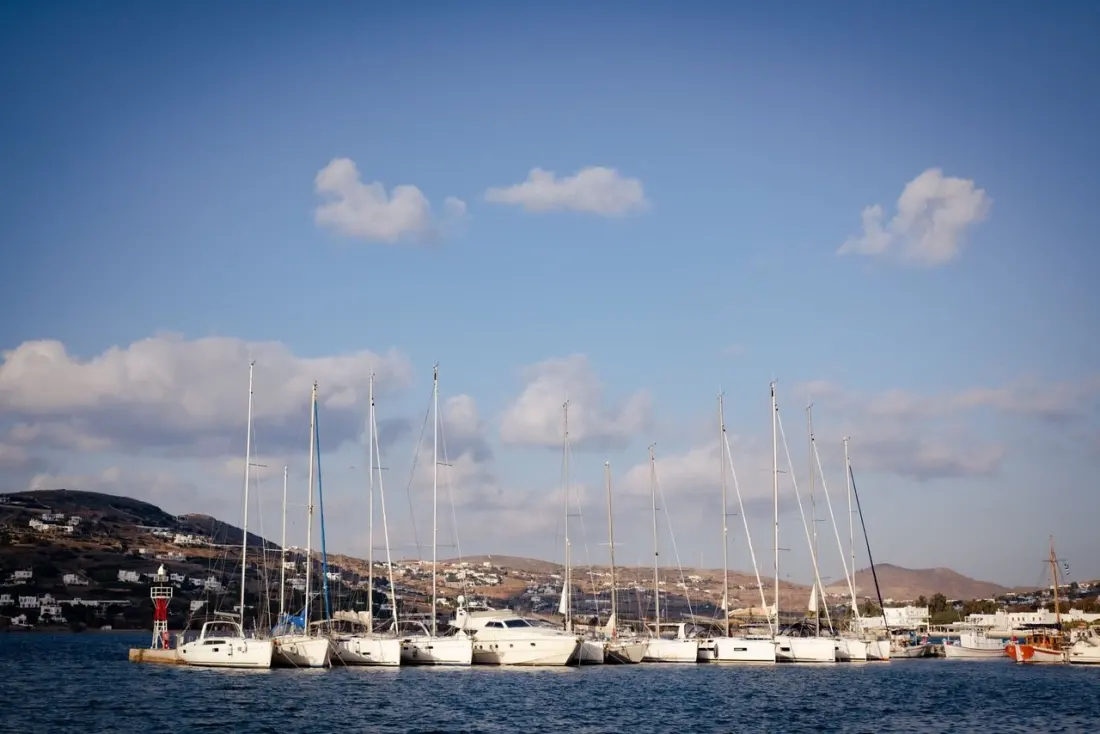
Forget the Cyclades-for a growing number of sailors, Greece's best cruising ground lies on the other side of the country. The Ionian Sea, off the west coast, has become one of the Mediterranean's most popular charter destinations, and the reason is simple: it's easy. Summer breezes are gentle, the islands sit close together, and conditions rarely force a crew to hide in port.
The practical sailing window is a draw in itself. The prevailing north-westerly wind typically kicks in around midday and dies down by early evening, so mornings are calm enough for swimming and nights are peaceful at anchor. That's a world away from the Aegean, where the meltemi can batter boats for days. Geography does the rest: Lefkada, Meganisi, Kalamos, Kastos, Ithaca and Kefalonia are all within a few hours of each other, so a typical day means two to four hours under sail, then a village, a viewpoint hike or a long taverna lunch.
Lefkada is the launchpad. Linked to the mainland by a causeway and floating bridge, it's a short transfer from Preveza-Aktion airport, which takes direct summer flights from the UK and across Europe. The east-coast harbour of Nidri is the main charter base-once aboard, you can be anchored in a quiet Meganisi bay within the hour, or off to Ithaca, mythological home of Odysseus, by afternoon. Kefalonia's northern harbour of Fiskardo, one of the few villages to survive the 1953 earthquake largely intact, is the region's prettiest stop.
Charter options span every confidence level. Qualified sailors can go bareboat with their own route; newly qualified skippers can pick assisted formats with daily briefings and mooring help; families with zero sailing interest can hire a local skipper who knows the best bays and where to eat. Day charters suit villa-based visitors wanting a one-off taste of life afloat, and learn-to-sail courses thrive in the warm, sheltered water.
The booking side has matured too. Savoury charterers now ask who actually owns and maintains the fleet, what's included (linen, fuel, transit logs), and how deposits and damage waivers work. Family-run Greek operators with decades in the region tend to come out ahead on both price transparency and local know-how.
Timing matters. The season runs late April to late October, with May-June and September-October the sweet spots: warm sea, lighter winds, quieter quays. Peak July and August deliver the most sun but the most competition for berths-arrive in harbour by mid-afternoon or you may be anchoring out.
For anyone who wants the Greek islands without the ferry timetables, beach crowds or white-knuckle sailing, the Ionian is the low-stress answer: a new bay each morning, a swim before breakfast, and no plan firmer than the next taverna.