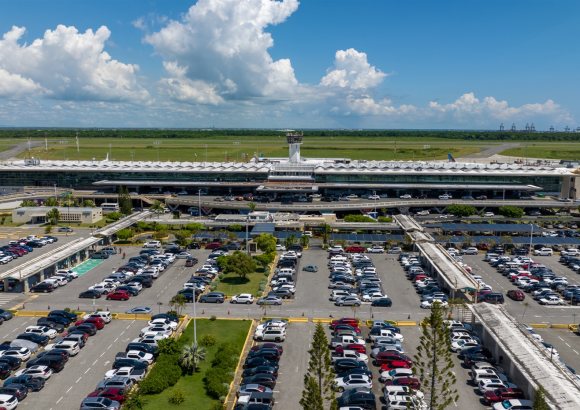
Travellers flying to and from the Dominican Republic faced days of disruption this month, but things are now settling down. Airport operator Aerodom said on Monday that operations across its airports were gradually returning to normal after US aviation authorities ordered a suspension of flights on Friday, November 13.
The knock-on effects lingered through the weekend. Because aircraft couldn't reach the destinations where they were due to operate later flights, the initial cancellations caused a chain reaction across schedules. Crew rest rules added another layer of complexity — pilots and cabin crew can't simply carry on flying after unexpected changes, as strict work-hour limits forced airlines to wait before reassigning staff.
By the time Aerodom issued its update, only a single flight was still affected, a sharp improvement from the weekend chaos. The operator also pointed out that cancellation decisions sit with individual airlines, and said it has been coordinating constantly with carriers and aviation authorities to help get timetables back on track.
For holidaymakers, the practical takeaway is fairly simple: if you were booked to fly into Santo Domingo, Punta Cana or another Dominican airport late last week or over the weekend, your plans may have been scrambled — but by Monday the system was essentially working again. Anyone travelling in the coming days should still confirm their flight status directly with their airline before heading to the airport, since repositioning aircraft and crews can leave residual delays even after an official return to normal. Keeping airline app notifications switched on and allowing a little extra connection time is a sensible buffer for now.
The episode is also a reminder of how tightly Caribbean tourism is tied to US aviation decisions. When American authorities pause operations, islands like the Dominican Republic feel it almost immediately, since so many visitors arrive on US routes. Flight-booking flexibility — refundable fares or travel insurance with disruption cover — is worth considering for peak-season trips to the region.