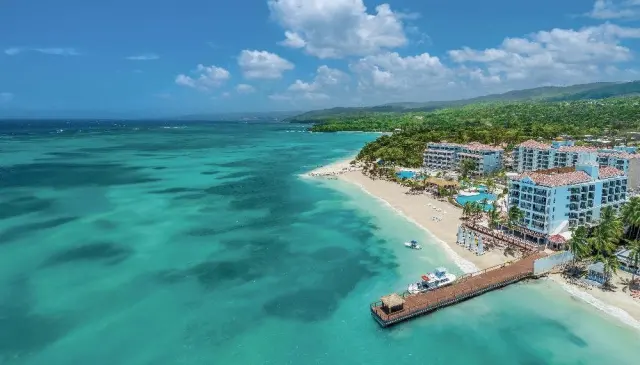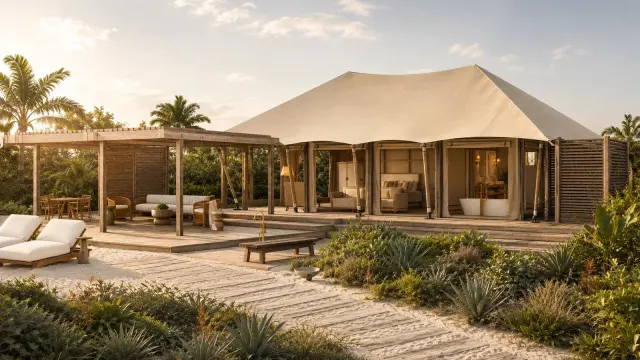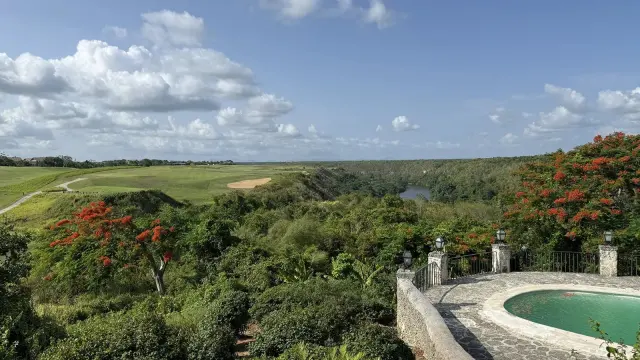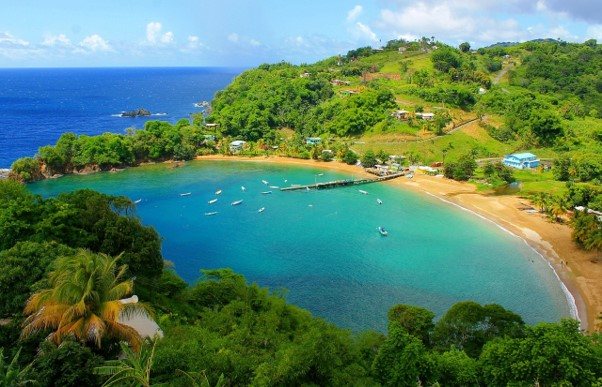
There are two Caribbeans. One has deep-water piers, duty-free chaos and queues of thousands disgorging from mega-ships into Nassau or St Thomas. The other is only reachable by vessels shallow enough to drop anchor in an unprotected bay and tender guests straight onto the sand. The difference, quite literally, is the ship.
Port infrastructure is the hidden variable most cruise shoppers never consider. Big resort-style ships need deep water and concrete, so they're locked into developed tourist hubs. Smaller vessels with a reduced draft slip into sheltered coves the big boys physically can't enter. If your itinerary lists places like Bequia, Terre-de-Haut or Jost Van Dyke, that's your tell.
So how do you choose? Start with what kind of trip you actually want. For families, Royal Caribbean's waterparks and kids' clubs are hard to beat — but expect limited access beyond the major ports. For adventure, Lindblad Expeditions (partnered with National Geographic) runs ships carrying well under 150 guests, with onboard naturalists and Zodiac landings. For luxury, Explora Journeys is the current segment leader: mid-sized ships of up to 900 guests, generous overnight stays in smaller ports, and multiple restaurant concepts — Fil Rouge, Sakura, Marble & Co. Grill, Med Yacht Club — all included in the fare. Newer Explora ships run on LNG with shore-power, and hydrogen fuel cells are planned down the line.
Recent passengers seem convinced. A Cruise Critic review of a 15-night Miami round-trip last December praised service the writer rated above five-star hotels they'd stayed in worldwide, with staff calling them by name by week two.
The islands themselves are the payoff. Bequia in St Vincent and the Grenadines has a boat-building heritage and untouched reefs. Car-free Terre-de-Haut in the French Les Saintes offers quiet walks and proper French-Caribbean food. Jost Van Dyke in the BVI is all white-sand bays and simple beach bars reachable only by tender. Anguilla's strict development laws have kept big commercial docks off its coral flats entirely.
Timing matters as much as tonnage. A port call that runs from early morning to late night — or better, an overnight — gives you a place after the day-trippers leave. A four-hour stop barely scratches the surface.
The demand side backs this up: CLIA reports a 15% rise in small-ship itinerary bookings, and a UNWTO trends report found 64% of travellers now actively avoid mass-tourism spots. Smaller ships also spread money into local villages rather than terminal retail, and avoid the anchor damage that heavy traffic inflicts on reefs.
A few myths worth busting: modern boutique ships carry advanced stabilisers that match or beat big-ship comfort, and several accommodate families well — just with a calmer, more educational rhythm than a theme park at sea. The sweet spot for sailing is the December-to-May dry season, with November and late spring offering quieter anchorages and softer prices.
Bottom line: pick your cruise type first, then read the itinerary like a map. If it names hidden harbours instead of commercial hubs, you've found the other Caribbean.