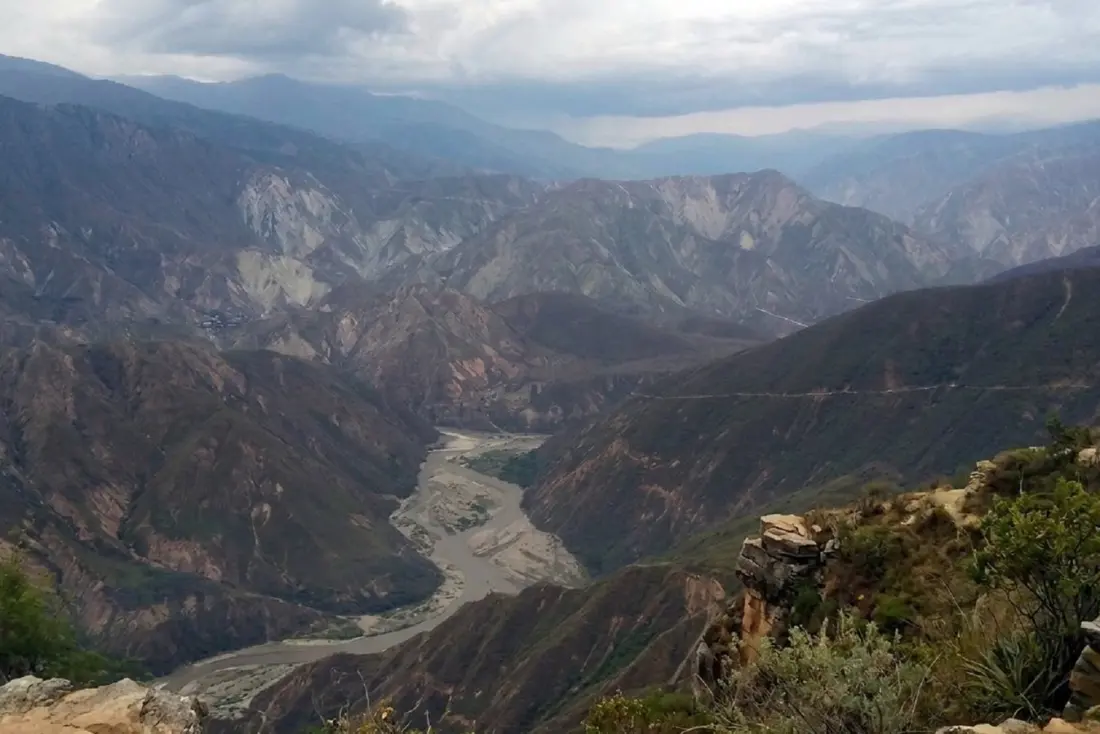
Colombia has a new badge of honour. The Chicamocha Canyon in Santander, eastern Colombia, has been named one of the world's 100 most significant Geological Heritage Sites by the International Union of Geological Sciences (IUGS) — a list that flags the places on Earth scientists consider essential to understanding the planet's history.
The credentials are genuinely striking. The canyon stretches more than 200 kilometres along the western flank of the Eastern Cordillera of the Colombian Andes and plunges roughly 2,000 metres deep, with the Chicamocha River responsible for carving much of what you see today. Its rocks record over a billion years of Earth's evolution, and its shape is the product of tectonic uplift plus the relentless work of erosion — with the Bucaramanga Fault, one of the region's major tectonic structures, playing a starring role. Scientists also study the area because of the Bucaramanga Seismic Nest, a concentration of earthquake activity considered among the three most significant of its kind anywhere.
The nomination took years of work by the Industrial University of Santander (UIS) and the Colombian Geological Survey. An initial 2024 application was knocked back on technical grounds; the corrected bid was approved in the 2026 selection, announced at an IUGS meeting in Portugal. The bigger prize is still to come: the region is now pushing for UNESCO Global Geopark status, with a target date of 2028. That designation would link conservation with research, education and sustainable development across the 17 municipalities the canyon spans.
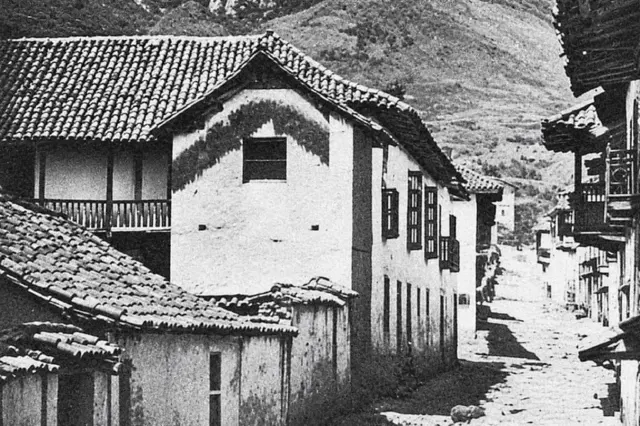
For travellers, none of the science is really the point — the point is that one of South America's most dramatic landscapes is finally getting the international attention it deserves. The canyon territory covers handsome heritage towns like Barichara, historic trails, and a distinct Santander food culture. The slopes are home to the barrigona ceiba, a characteristic native tree, and birds including the Chicamocha wren, found only here. Sheer rock walls, deep depressions and colour-banded formations drop toward the river, and the area's mix of dry canyon floors and greener uplands means varied ecosystems within a short drive.
Why does this matter now? Recognition tends to bring infrastructure, signage, guided experiences and funding, so visiting before a potential 2028 Geopark designation means seeing the canyon while it's still relatively under-the-radar internationally. It's a good fit for road-trippers, hikers and anyone who likes a national park experience paired with colonial towns and hearty regional cooking rather than a polished resort scene.