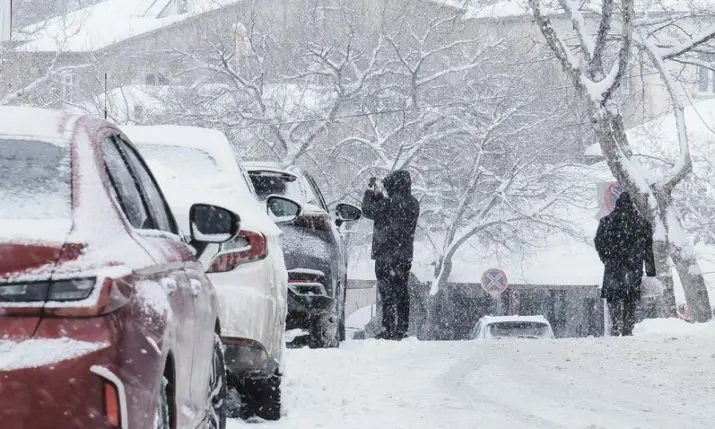
Croatia's autumn is about to get a lot colder. Forecasters at the Croatian Meteorological and Hydrological Service (DHMZ) say snow could fall on the country's mountainous regions from Sunday, 1 November, with the possibility of it lingering into the following days. Areas expecting more than a centimetre of accumulation are flagged on the latest forecast maps, though exact locations and totals will depend on how conditions evolve.
Before any snow arrives, though, the wind is the bigger story. The Velebit Channel, the stretch of Adriatic between the coast and the islands, has been placed under an orange warning — the level signalling genuinely dangerous conditions — thanks to fierce gusts expected on Thursday. Yellow warnings, a notch down, cover Primorje-Gorski Kotar, Lika-Senj and Zadar counties as well as the whole Adriatic coast. The culprit is the bura, the notorious cold, dry wind that funnels down from the Velebit mountains and can batter the coast with little warning. It's expected to stay a feature of the coming days, especially in areas below the range.
Inland, expect mostly cloudy skies with occasional rain, heaviest in the mountains and the east, with wetter weather spreading more widely on Sunday. The Adriatic coast gets the better deal: largely sunny with moderate cloud, though Dalmatia may see local showers on Sunday. Coastal temperatures are on a gradual downward slide.
For travellers, this is a useful early heads-up rather than a reason to cancel anything. If you're road-tripping towards Plitvice, the Lika hinterland or Gorski Kotar in early November, pack layers and check conditions before driving — mountain passes can turn wintry fast, and strong crosswinds on coastal roads around the Velebit Channel are worth taking seriously, particularly for motorhomes and high-sided vehicles. Island ferries can also be disrupted when the bura blows hard, so build slack into any Adriatic hopping plans.
On the flip side, the coast staying mostly sunny and relatively mild means early November is still a quietly good time for city breaks in Split, Zadar or Šibenik: fewer crowds, open cafes and crisp walking weather between showers. And for anyone eyeing the mountains, fresh early-season snow is a promising sign for winter sports fans looking ahead to the season in Gorski Kotar or a day trip towards Sljeme above Zagreb.
Worth keeping an eye on: DHMZ warnings are updated regularly, so a quick check before setting off along the coast or up into the hills will tell you exactly where the orange and yellow zones sit. The first snowfall of the season is always a reminder that Croatia is two countries in one — a mild Adriatic shoreline and a chilly, elevated interior — and early November is when the contrast becomes obvious.