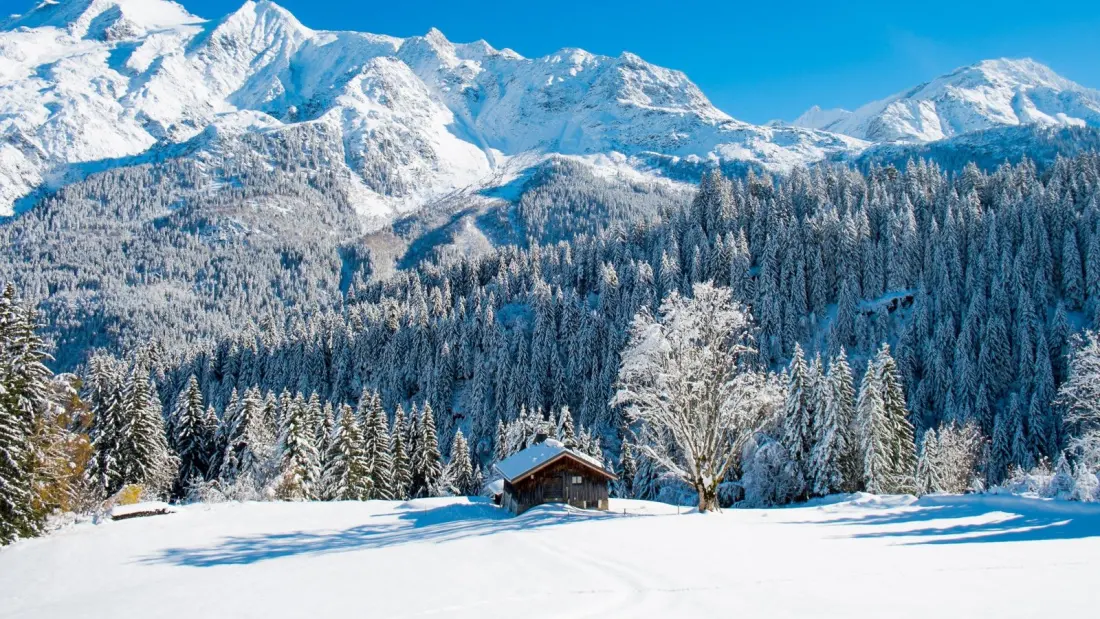
Ski trips wreck budgets, but there's a cheaper way into the French Alps in winter: the country's vast network of backcountry huts, or refuges. France has more than 3,300 of them, and only around 300 are staffed — meaning the vast majority cost nothing or close to it. For hikers willing to carry a stove and a sub-zero sleeping bag, that's an alpine weekend for pocket change.
The staffed refuges that do open in winter tend to sit on ski-touring and mountaineering routes, so they're trickier for ordinary hikers to reach. When you do book one, expect $56-$90 (€50-80) per person for a dorm bed with dinner and breakfast, or $23-$45 (€20-40) for bed only. Meals are communal one-pot affairs — flag dietary needs when booking. The FFCAM website lists staffed huts with a filter for winter openings.
The real budget play is the unstaffed network. Refuges.info, a user-run site, lists around 3,000 cabanes non gardées across France and neighbouring countries. No bookings — first come, first served — so arrive early at small huts or risk a long, cold walk back. They range from gloriously basic to genuinely comfortable, and some come with million-dollar views. Crucially, none are heated, so read each hut's listing for poêle (wood burner) or cheminée (fireplace) and plan to build a fire. Not all have water; in winter the author simply boils snow.
Three specific huts worth targeting: Cabane de la Peyrouse in the Vercors has bunks for eight, a wood stove and a dramatic limestone backdrop, about 90 minutes' snowshoe from St Andéol. Cabane forestière de Chapuzieux in the Jura is a tiny two-to-three person hideout with a fireplace, just over an hour from La Pesse. And Refuge de Cuchet in the Vanoise offers 24 bunks, a stove, real toilets and big mountain views from a three-to-four-hour climb out of Lanslevillard — though it's in a national park, so no dogs, and there's an honour-system €5 fee paid online.
Winter hiking maths is different: snow makes everything slower, and daylight is short. The source author drops from 3,000 feet of summer elevation gain to just 600-1,000 feet in winter, and recommends steering clear of avalanche terrain — a safety course helps if you're heading into risky ground.
The kit list is modest. Sleeping mat, sleeping bag rated for sub-zero with an R-value of 5+, insulated boots, and snowshoes for deep snow or microspikes for ice — most French ski towns rent snowshoes for around €10. Pack firestarters, a gas stove, a headlamp, a power bank (phones die fast in the cold, so keep them inside your jacket), dry hut clothes, a paper map and compass. A Nalgene of boiling water doubles as a hot water bottle. And in true French style, the recommended dinner is a fondue.
For anyone priced out of ski season — or travelling with a dog, which most resorts exclude — this is winter alpine adventure at a fraction of the cost, and first tracks come free.