A self-converted white van turned out to be the best hotel room its owners ever had. Spending five weeks driving from Caen to the Alps, a couple who usually see France only through a car window at motorway speeds discovered why campervanning is one of the most flexible ways to explore the country – and picked up a few hard-won lessons along the way.
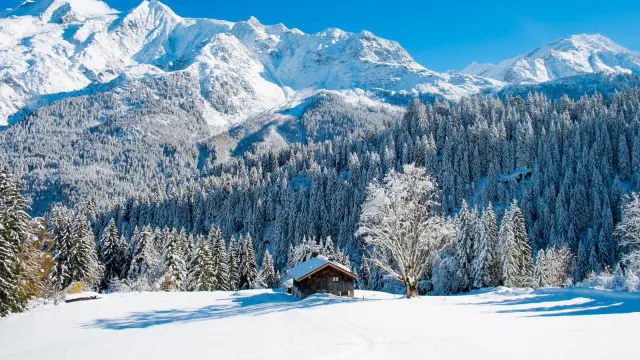
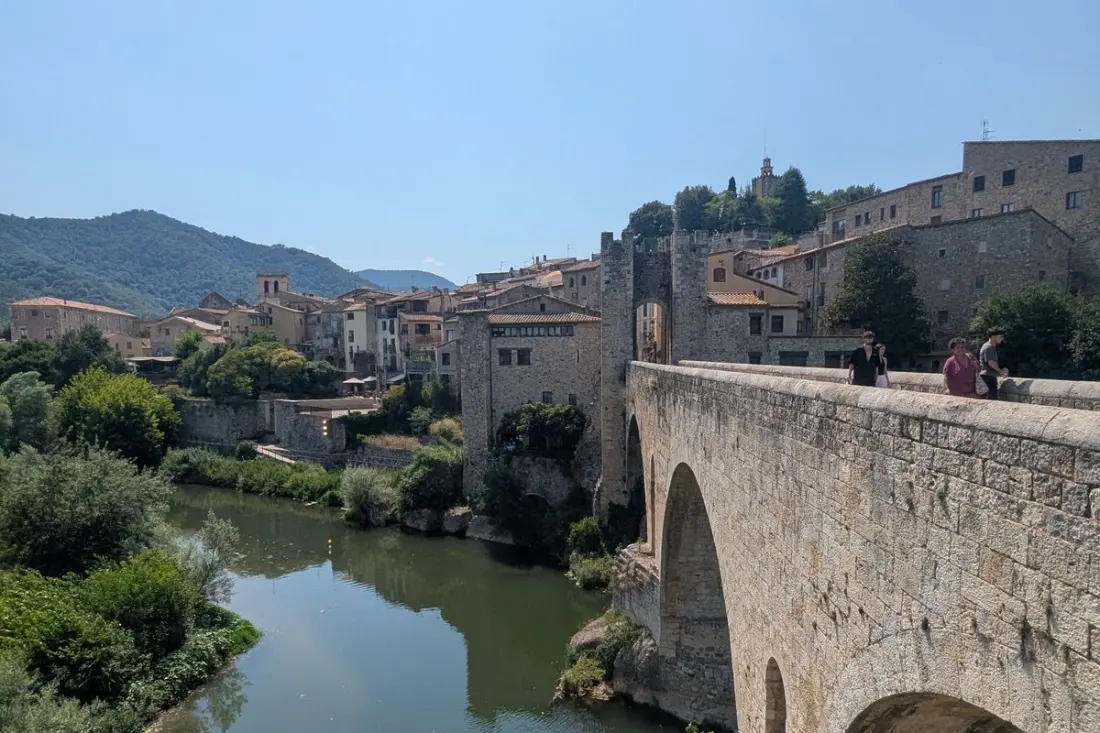
The route dipped south through the Loire before the scenery shifted dramatically: flat farmland giving way to vineyards, volcanic hills, limestone outcrops and the scrubby Garrigue moorland of Occitanie. The Languedoc, with its rosemary and lavender-scented air, was a highlight – the village of Lagrasse, where you can swim in the river, earned particular devotion. With wildfires flaring in the 38C heat, the trip then climbed to the cool of Chamonix-Mont Blanc, where a planned three-night stop stretched into a week beneath the Bossons Glacier.
Practical takeaways matter more than romance on a trip this long. France's autoroutes have aires – rest stops – roughly every 20km, and the drivers found pausing every two hours was about right in the afternoon heat. Overnight rules for vans vary, so the simplest way to stay legal and stay friendly with locals is to book campsites. The writers mixed free spots found on the Park4Night app with multi-night stays at proper sites – essential for laundry, hot showers and cooking something more ambitious than a jambon-beurre. Their standouts: Camping Municipal Cap Leucate near Perpignan (around £25 a night, with pétanque and a public barbecue), Camping Les Cimes in Chamonix (around £30, with Mont Blanc views) and the basic but friendly Camping Le Verger near Annecy.
The kit list is refreshingly unglamorous: a versatile gas stove that doubles as barbecue and plancha, biodegradable antibacterial wipes for small-space hygiene, a portable 12V fridge (non-negotiable in isolated spots during a heatwave), and – genuinely – proper wine glasses and your own favourite coffee cup.
Why it matters: a campervan removes transfers, check-in times and fixed itineraries. You can reroute towards a wine bar you spotted on a map, linger at an unexpected tasting, or camp at the foot of a glacier because you can't bear to leave. It suits travellers who like freedom with a safety net – a rough plan, a few backup stops, and campsites booked when you need a reset. Just check local holidays and opening hours before you roll into that dream village hungry.