One narrowbody jet has quietly reshaped global flying: the Airbus A321neo, a fuel-sipping single-aisle aircraft with enough range to cross oceans. A recent fleet tally shows six airlines now dominate operations of the type — and the leaderboard says a lot about where air travel is heading.
Wizz Air, the Hungarian ultra-low-cost carrier, tops the list with around 185 active A321neos spread across its Hungarian, Maltese and UK subsidiaries. The airline bets everything on this single model, squeezing 239 seats into a one-class cabin with 28-29 inch pitch. That density keeps fares low on point-to-point leisure routes across Europe, the Middle East and North Africa, and newer deliveries are adding lighter seats and LED ambient lighting to soften the no-frills experience.
Just behind is IndiGo with roughly 181 aircraft — and it's the one to watch. India's biggest airline has hundreds more A321neos and long-range A321XLRs on order, pushing its total commitment past 600 jets. Its famously quick turnarounds, sometimes under 30 minutes, support dense domestic schedules plus international routes into the Middle East, Southeast Asia and Central Asia. Industry observers expect IndiGo to overtake Wizz Air as the world's largest operator in the coming years.
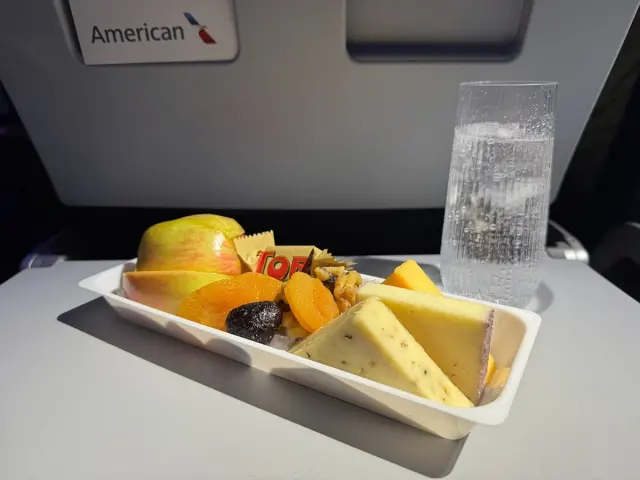
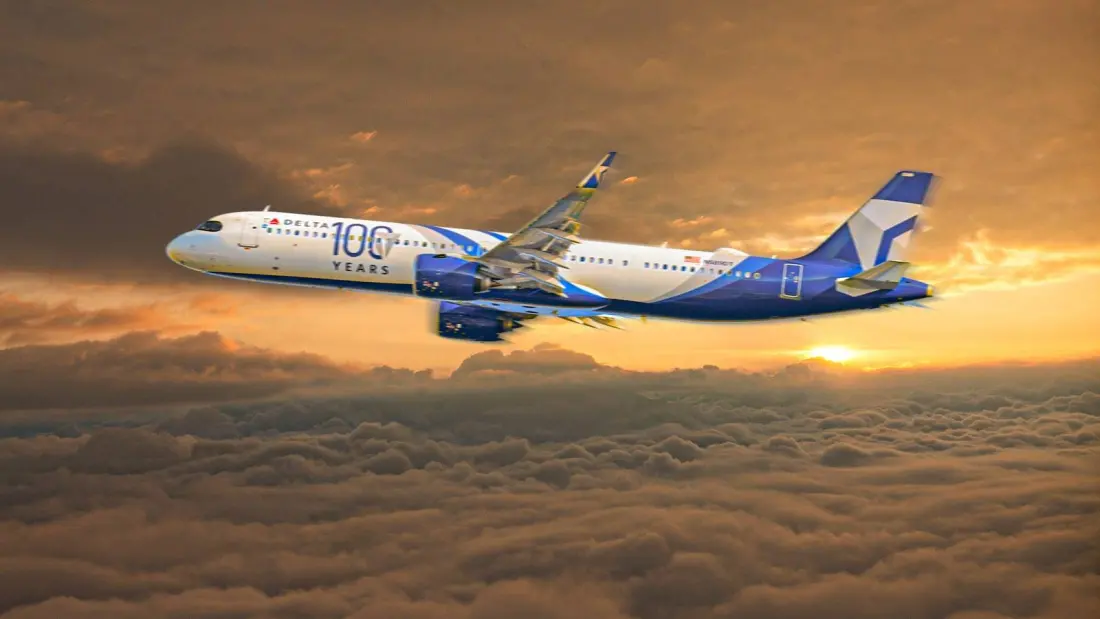
Delta Air Lines takes third among North American carriers with about 111 aircraft, flying from hubs like Atlanta, Minneapolis and Boston. Its configurations are notably premium-heavy: some subfleets dedicate around 60% of the cabin to premium seating, including a 44-seat first-class section aimed at corporate demand. American Airlines follows with 96, connecting Dallas/Fort Worth, Charlotte and Miami in a 196-seat dual-class layout with Wi-Fi and streaming entertainment. United rounds out the US trio at 80 aircraft, with 200 seats across three cabins, larger overhead bins and Bluetooth audio — plus a backlog of more than 135 jets as part of its United Next modernisation.
China Southern is Asia's biggest A321neo player at 100 aircraft, linking Guangzhou and Beijing Daxing to commercial centres across China and regional cities like Bangkok and Jakarta in layouts of roughly 195 seats.
For travellers, the takeaway is simple: the odds you'll fly on an A321neo are rising sharply, whether you're on a transcontinental US route, a European city break or an Indian trunk sector. The experience ranges widely — from roomy three-class US cabins with seatback screens to ultra-dense low-cost seating where packing light and picking your seat matters. Frequent flyers on transatlantic-adjacent routes should also note the incoming A321XLR variants at United and American, which promise long-haul flying on a narrowbody.