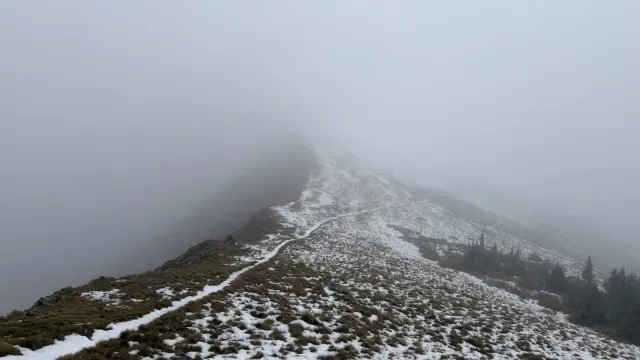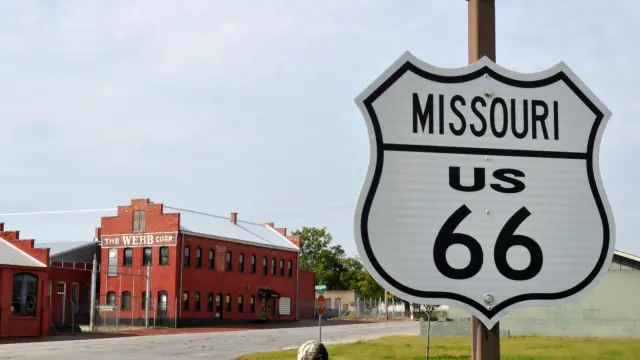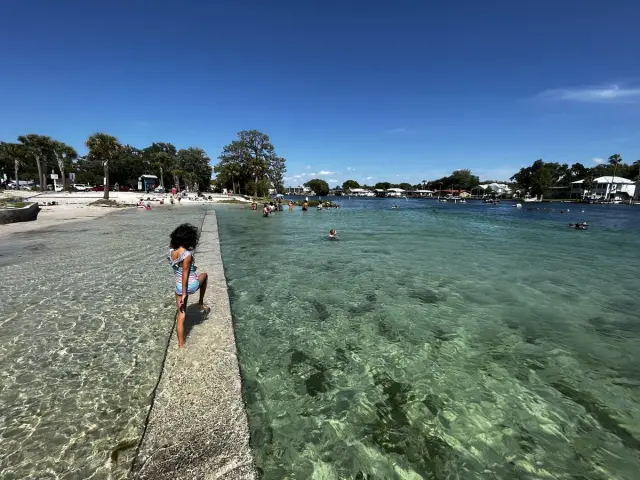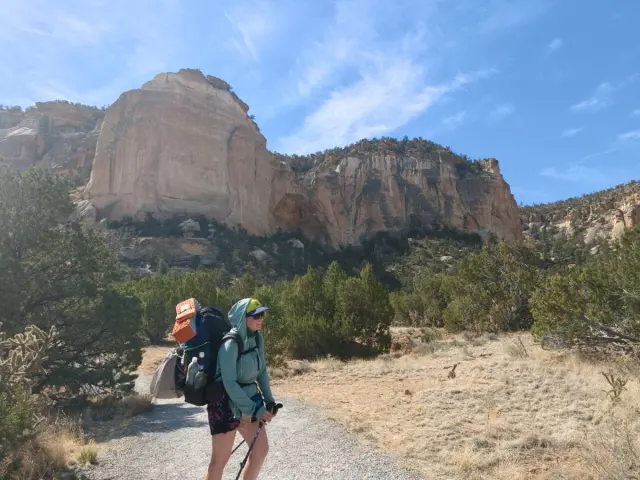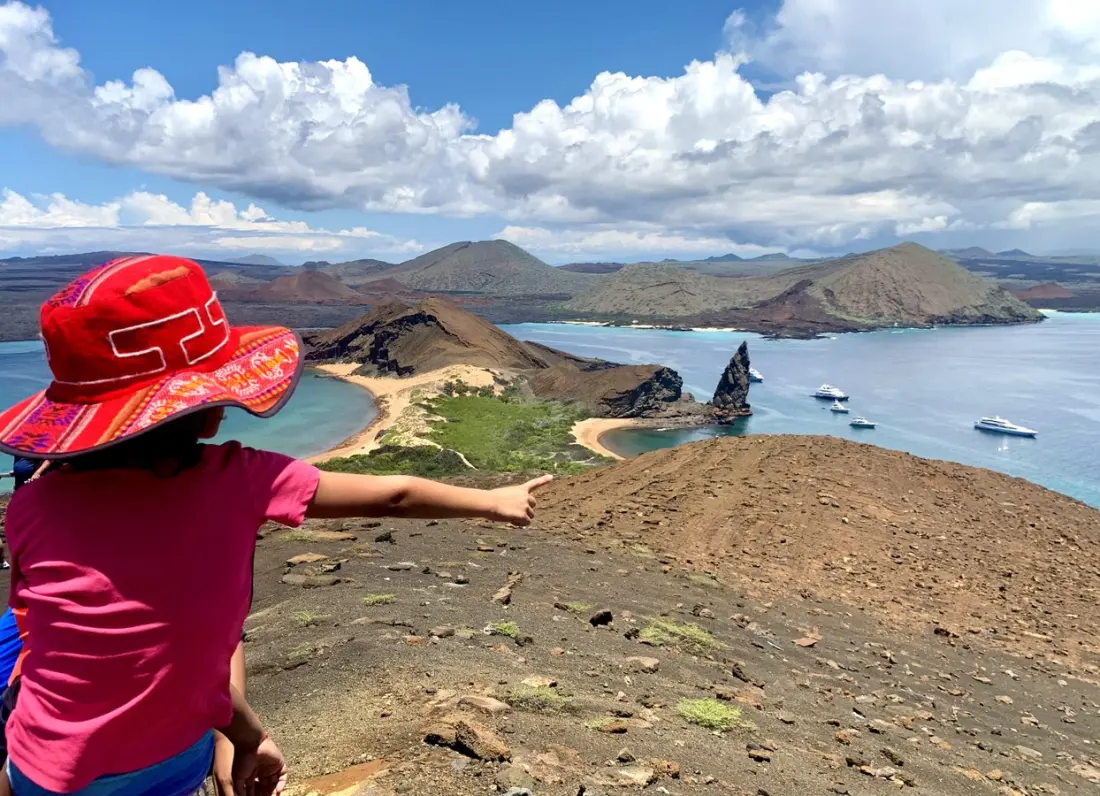
Kaleya is 11 years old and has been to more than 60 countries — glaciers in Patagonia, sea lions in the Galapagos, safaris in South Africa. But her life isn't one endless holiday. She goes to a British international school in Tbilisi, has a dog and a regular bedtime, and her family have been "worldschooling" her since birth. Her parents, a travel writer and a software engineer, recently shared how the whole thing actually works.
Worldschooling, in short, means using travel and real-world experience as an education tool — seeing a volcano instead of reading about one. But the family behind Wild Junket are quick to puncture the myths. It doesn't require quitting your job, living out of a suitcase, or skipping maths. Plenty of worldschooling families hold down normal jobs and travel in school holidays. And some of the best lessons are free: a local market, a hike, a museum's free-entry day.
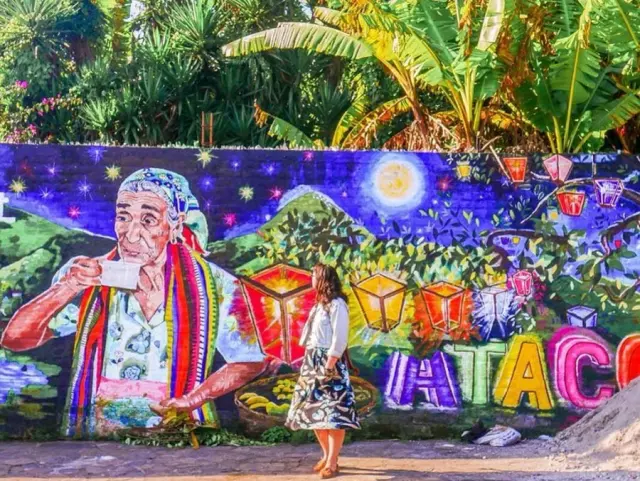
Their model is slow travel, not nomadism. They pick a homebase, build a genuine life there — rented flat, school, friends, routines — then use it as a launchpad for regional trips, moving countries every few years. The route so far: the Netherlands (ages 2–6, with side trips to Slovakia and Japan), Mexico (6–9, with weekends leading to Peru and the Galapagos), South Africa (10, their favourite year, plus Madagascar), Spain, and now Tbilisi. They chose each base on schools, cost of living, visas, safety and flight connections. A yearly family trip to Singapore is a fixed tradition.
On the education front, they've tried several approaches. A green school in Mexico, focused on nature and hands-on learning, was a hit. A term of accredited online school in Cape Town kept academics on track and travel flexible, but Kaleya missed classmates. Now, at her international school in Tbilisi, she's surrounded by other kids who also move around — which helps. Their advice for other families: design around the child's personality, keep a consistent curriculum (IB or British) if you move often, check each country's homeschooling laws, and always visit a school before enrolling.
The money question gets a practical answer too: they work. Alberto is fully remote for a Dutch software company; his wife writes guidebooks for Lonely Planet, freelances for major travel publications, and earns from the blog and Instagram partnerships. They suggest keeping your current job and asking for remote status as the easiest entry point, alongside freelancing, tutoring, consulting and online businesses. Choosing affordable bases — Tbilisi over Western Europe — stretches the income further.
Why should travellers care? Because worldschooling is increasingly visible in hostels, co-working spaces and expat neighbourhoods, and this family's take is refreshingly grounded. If you've ever fantasised about taking the kids on the road, the honest lesson here is that stability — school runs, friendships, boredom — is what makes the travel part sustainable. And if long-term family travel isn't for you, their homebase-hopping approach doubles as a solid slow-travel strategy: pick one affordable, well-connected city and explore a region from there.