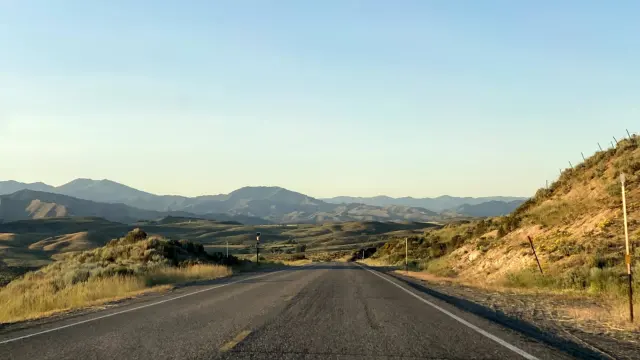
Somewhere in the San Juan Mountains of Colorado, a small group of long-distance hikers spent a rainy rest day indoors — trading shifts on a jigsaw puzzle, working through frozen pizzas and episodes of The Sopranos — before stepping back out into weather that would define the next few days of their Continental Divide Trail thru-hike.
The CDT is one of America's great triple-crown trails, running roughly 3,100 miles from Mexico to Canada along the spine of the Rockies. By the time hikers reach the San Juans in southern Colorado, it's autumn, and the first serious snow has already settled on the high peaks. That's the backdrop to this latest trail journal entry: word travelling through group chats of hikers stranded up high or skipping sections entirely, while this crew timed their moves between storms.
What follows is a vivid picture of the less glamorous side of a thru-hike. Freshly churned mud — half-frozen, hoof-printed and collapsing — caked boots and doubled the effort of every step. Creeks swollen a foot above their normal banks turned simple crossings into balancing acts, with hikers picking their way across fallen logs, poles planted for three points of contact. One creek crossing was so deep that water poured over knees mid-stride, the hiker unbuckling the pack first in case things went wrong.
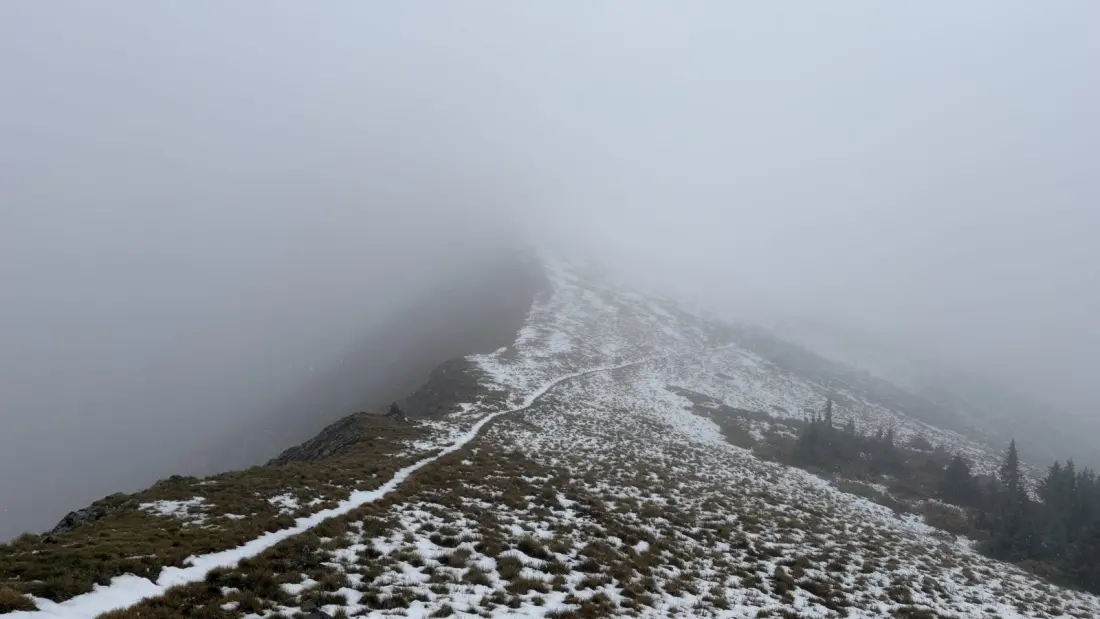
Then the rain turned to snow. Above the treeline, the group climbed into a whiteout, pushing through shin-deep drifts toward a summit with wind flaying them sideways and sleet shifting into hail on the descent. It's a reminder that on the CDT, weather isn't a background detail — it dictates everything: when you camp, which crossings you attempt, whether you push five days to the next resupply or divert two days early into town.
The most charming thread running through the whole ordeal is the hikers' fixation on soup. Trudging uphill through a snowstorm, two of them trade fantasies of hot bowls the way other people trade stock tips: lentil soup with pressed garlic, tomato soup with grilled cheese (the acknowledged gold standard), caldo verde, red pork pozole, chanko nabe — the sumo wrestler's hot-pot one hiker used to cook weekly, which turned an alarming shade of purple thanks to a whole head of Chinese cabbage. "The road to soup is paved with snow, ice and horse shit," one observes, which might be the most honest trail motto ever coined.
The payoff, when it comes, is pure trail-town magic: a local friend who puts up soaked hikers, lights a fire, ladles out chicken noodle and finds spare blankets while two dogs and a handful of exhausted hikers settle onto every available soft surface.
Why should a regular traveller care? Because this is a window into the world of America's long trails — the hiker-hostel culture, the trail angels who keep the whole ecosystem running, and the small Colorado towns that exist, in part, to feed people who've been walking through weather for days. Even if you'd never attempt the CDT, you can taste a slice of it: base yourself in a gateway town like Pagosa Springs or Lake City, hike a section of the trail in late summer, and order the soup.