A winding road through El Salvador's western highlands links six mountain towns — Nahuizalco, Salcoatitán, Juayúa, Apaneca, Concepción de Ataco and Ahuachapán — into one of Central America's most rewarding short trips. The Ruta de Las Flores takes its name from the blooms that line the roadside, especially vivid between November and February, but flowers are only the opening act.
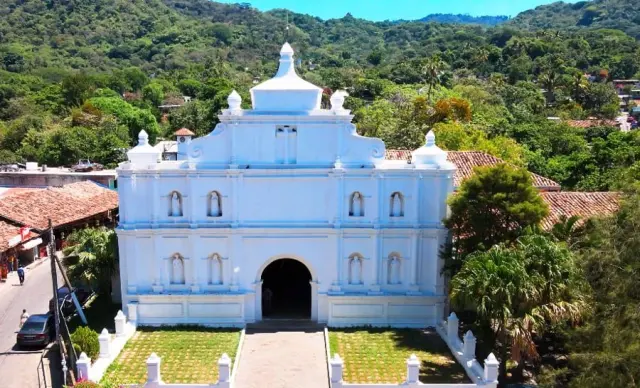
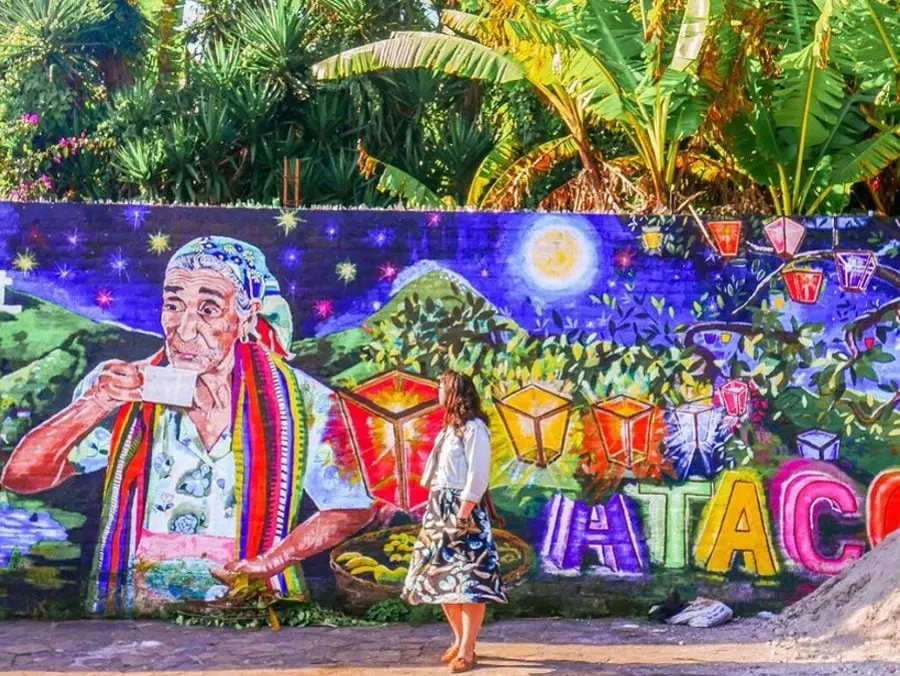
Each town brings something distinct. Nahuizalco, the usual starting point, is known for its Indigenous heritage and artisans who weave wicker and tule into baskets, mats and furniture — plus a lively night market. Salcoatitán is a quiet coffee town where Plaza La Ceiba shelters a 400-year-old tree with a local legend attached: hug the trunk, give thanks in Nahuatl, and the spirit inside may grant you a gift. Juayúa is the foodie anchor, drawing weekend crowds to its street food festival, where stalls sell pupusas, grilled meats, seafood and desserts. Apaneca, at roughly 1,470 metres one of the country's highest towns, pairs a cool climate and top-grade coffee with zip-lining, buggy rides and hikes to the Laguna Verde crater lagoon. Concepción de Ataco charms with murals, cobblestone streets and galleries, making it a popular base. Ahuachapán finishes the route with colonial architecture and Los Ausoles, a geothermal field of steaming vents and bubbling mud pools.
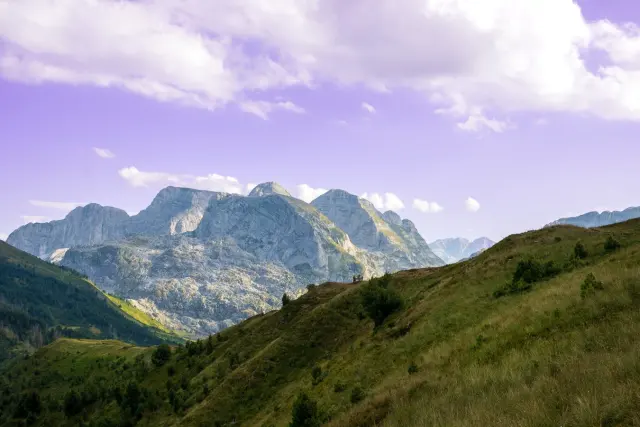
The route sits in the departments of Sonsonate and Ahuachapán, among volcanic hills blanketed in coffee farms. Coffee is the thread tying everything together: plantations across the region open their doors for tours covering growing, harvesting and processing, and nearly every town has cafés pouring locally grown beans.
For outdoors fans, the standout is the Seven Waterfalls hike near Juayúa — a tough six-hour trek through forest, coffee fields and streams ending at seven waterfalls with swimmable pools. A gentler alternative is Los Chorros de la Calera, a cascading set of falls about two kilometres from Juayúa's centre. Between hikes, you can browse craft shops, shop for textiles and pottery straight from makers, and work through Salvadoran staples like tamales and yuca.
Timing matters. The weekend food festival makes Saturday or Sunday the best days to hit Juayúa, while blooming season from November to February paints the hillsides at their brightest. Most travellers drive the route from Nahuizalco toward Ataco, though it works equally well in reverse, and with towns close together it suits anything from a long day trip to a slow week of town-hopping.
For travellers, the appeal is obvious: a compact circuit that packs markets, murals, waterfalls, volcano scenery and some of the country's best coffee into a short stretch of road. It works for couples, solo travellers and families alike — as adrenaline-fuelled or as slow-paced as you like.