Svalbard's expedition cruise season lasts barely four months, and no two weeks of it deliver the same trip. A new guide from Wild Junket breaks down exactly what each month offers — and why booking the wrong window can mean missing the very thing you came for.
The short version for first-timers: late June to late July is the sweet spot, combining 24-hour daylight, booming bird cliffs, snow-free landing sites and the widest choice of departures. But the trade-offs are real. Late May to mid-June is the window for pack ice and polar bears hunting on it. August suits hikers and anyone chasing a full circumnavigation of Spitsbergen. September brings golden light, fewer ships, lower prices and the best whale watching, with a chance of the first aurora once darkness returns.
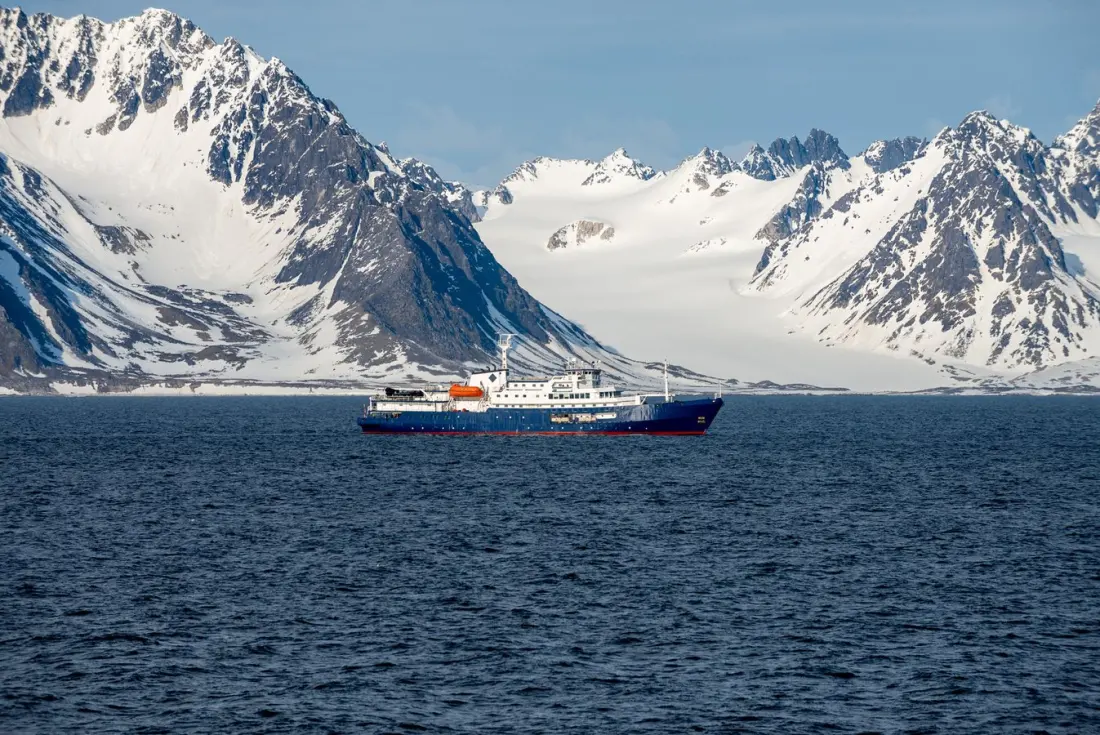
The reason timing matters so much is ice. Unlike fjord cruising in Norway or Alaska, where itineraries are essentially fixed, Svalbard routes are written fresh each morning based on ice charts. Sea ice blocks the north and east of the archipelago well into June, so early-season voyages stick to the west coast of Spitsbergen. By mid-June ships can reach Liefdefjorden and the Monaco Glacier; by late July the ice minimum opens Hinlopen Strait, Nordaustlandet and occasionally remote Kvitøya. Any operator promising a guaranteed fixed route, the guide warns, is waving a red flag.
The wildlife calendar is equally specific. Around three million migratory seabirds flood the cliffs in June — Alkefjellet in Hinlopen Strait hosts roughly 60,000 breeding pairs of guillemots — but most are gone by mid-August. Walruses haul out at Moffen Island and Poolepynten in July, while humpbacks, minkes, fin whales and the occasional blue whale feed near Longyearbyen into September. Polar bears are easiest to spot on sea ice in late spring, then scatter north or along coastlines as the ice retreats.
New rules from 1 January 2025 have also changed the game. Polar bears must now be kept at least 300 metres away year-round (500 metres from March to June), landings in protected areas are capped at 200 passengers and restricted to designated sites, walrus haul-outs carry a 150-metre buffer, and breaking fast ice is banned outright. The practical upshot: big cruise ships have lost access to much of the archipelago, and small expedition vessels of 12 to 50 guests are now functionally necessary for the best landings.
For anyone weighing a polar trip, the takeaway is to book around your priority, not the price. Photographers who want white-on-white ice and bears should risk the limited range of May; hikers and circumnavigation fans get the most from August, when Austfonna — Europe's largest ice cap by volume — sends meltwater waterfalls pouring off its 200-kilometre ice front. Birders should sail before mid-August. And if your dates fall between November and March, forget cruising entirely: that's polar night, the season for snowmobiling, dog sledding and northern lights from Longyearbyen on a separate land-based trip.