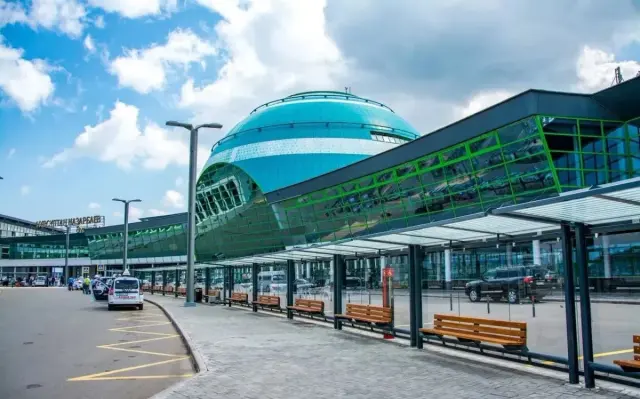
Kazakhstan is about to get its first regular direct air link to Japan. Air Astana will begin flying between Almaty and Tokyo's Narita International Airport on Nov. 30, with the return leg from Narita on Dec. 1. The route runs twice a week on Airbus A321LR aircraft and takes roughly seven and a half hours — a trip that previously required a connection through Seoul, Beijing or the Gulf.
The new service was a headline topic at a Tokyo conference on Oct. 19, where nearly 100 officials, logistics firms and development agencies gathered to talk about deepening Japan's ties with Central Asia and the Caucasus. The flights sit alongside bigger trade plans: Japan is looking at the Middle Corridor — the Trans-Caspian International Transport Route that carries freight across the Caspian Sea through Kazakhstan and Azerbaijan — as a way to diversify its supply chains.
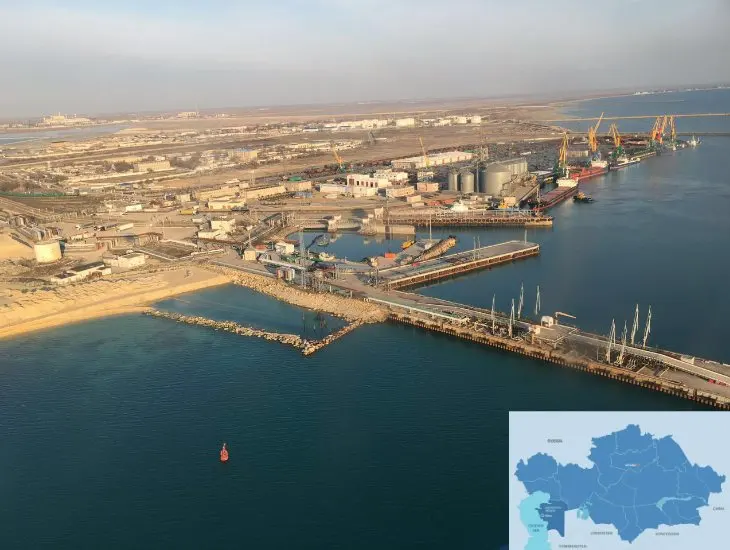
For travellers, the cargo story matters mainly as context: both governments are investing heavily in making Kazakhstan easier to reach. One concrete example is a proposed 719 million yen (about US$4.7 million) Japanese-backed project to install a large stationary X-ray scanner at the Port of Aktau, which should cut cargo inspection times roughly threefold. Japan has also run trial shipments along the corridor to test delivery times, costs and customs procedures. A new Trans-Caspian fiber-optic cable, commissioned in Baku in mid-October, adds a digital layer to all of this.
Why should a holidaymaker care? Because Almaty is one of Central Asia's most rewarding cities — a grid of leafy streets under the snow-capped Zailiysky Alatau mountains, with strong bazaars, a thriving cafe scene and easy access to ski resorts like Shymbulak and the dramatic Charyn Canyon. Until now, getting there from Japan (or pairing the two countries in one trip) meant awkward connections. A direct 7.5-hour flight changes that calculus entirely, making a two-country itinerary across the steppe and the Pacific genuinely practical.
For Japanese travellers, the route opens up visa-light access to Kazakhstan's mountains, Silk Road heritage towns like Turkistan, and onward rail connections across Central Asia. For Kazakh and Central Asian travellers, Tokyo and Narita's global network suddenly sit within a single flight. Expect the route to appeal first to business and trade traffic tied to the corridor investment push — but leisure demand on new Central Asia links has a habit of following quickly.
The flight launches Nov. 30 from Almaty and Dec. 1 from Narita, operating twice weekly. Anyone considering a Japan-plus-Kazakhstan trip in 2027 should watch how the schedule settles and book early on the freshest days.