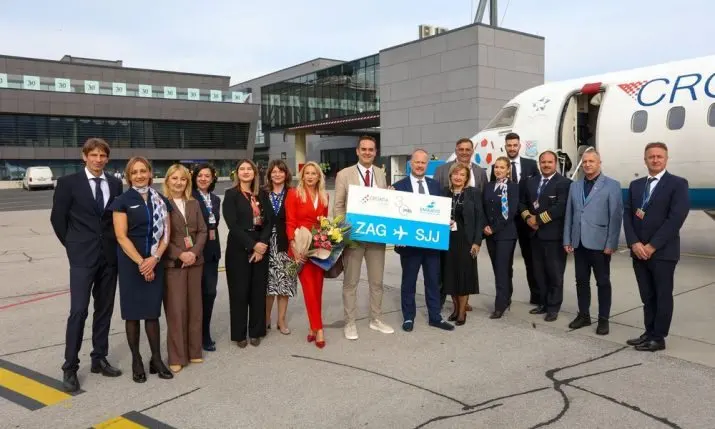
Thirty years and 1.34 million passengers. That's the tally Croatia Airlines is celebrating on its Zagreb–Sarajevo service, which it launched on 26 August 1996 — just after Sarajevo Airport reopened to civilian traffic following the war. The carrier's ATR 42 was the first commercial plane to land at the restored airport.
The numbers behind the anniversary are surprisingly big for a short regional hop: 36,196 flights operated between August 1996 and August 2026, running year-round apart from a pause during the pandemic. Today the timetable offers up to 13 flights a week between the two capitals, making it easy to combine a Bosnian city break with time in Zagreb, or to use either as a stepping stone elsewhere.
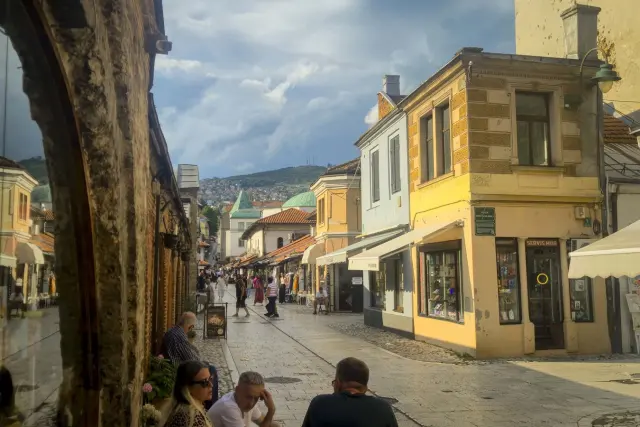
That second point is the real takeaway for travellers. Sarajevo has no huge long-haul network of its own, so this route doubles as a gateway: Bosnia-based passengers connect through Zagreb to destinations across Europe, and Croatia Airlines' Star Alliance membership extends that reach worldwide. For visitors coming the other way, Sarajevo remains one of Europe's most underrated capitals — Ottoman-era bazaars, Austro-Hungarian boulevards and a famously resilient café culture, all under three hours from Zagreb by air (or a scenic but slow train ride).
To mark the milestone, passengers on the anniversary flight received vouchers worth 30% of their ticket value, and the airline is rolling out promotional fares across the Bosnian market during the anniversary year. Worth watching if you're pricing up a Croatia-plus-Bosnia itinerary. The timing also fits neatly with the airline's fleet overhaul: new Airbus A220s are being phased in, so the route is increasingly flown on quieter, more modern aircraft.
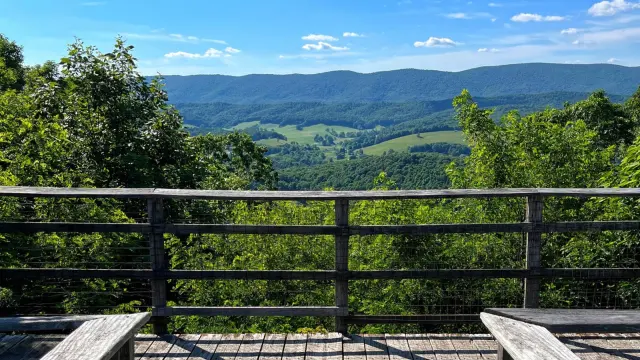
Officials on both sides framed the anniversary as more than an aviation milestone — Sarajevo International Airport's acting director, Dino Selimović, pointed to three decades of strengthened links between people, businesses and markets in the two countries. For holidaymakers, the practical version of that is simple: a reliable, frequent link between two complementary destinations. Pair Zagreb's museums and coffee houses with Sarajevo's history and mountain scenery, and you've got a two-country trip that costs a fraction of Western Europe.
Whether you're a city-break collector, a Balkan road-tripper looking for a one-way segment, or a diaspora traveller heading home, this is one of those unglamorous workhorse routes that quietly makes regional travel easier — and it's now been doing so for three decades.