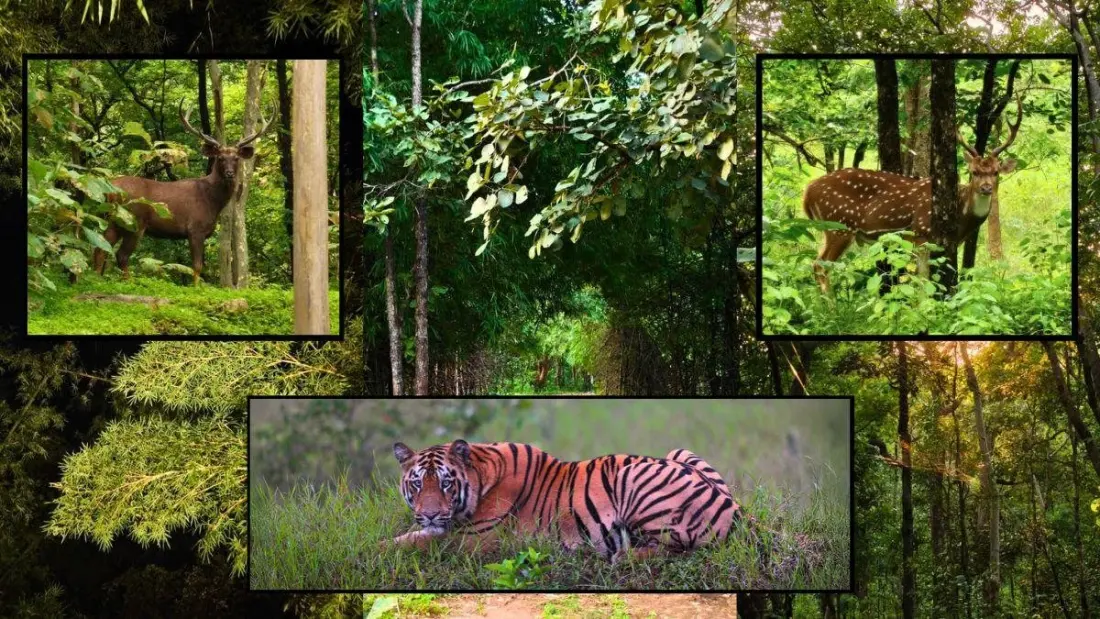
The forests of Central India inspired The Jungle Book long before they became bucket-list territory for tiger watchers. Rudyard Kipling never visited India's central highlands, but his 1894 stories drew on the landscapes described by his contacts there — and today Pench Tiger Reserve, straddling Madhya Pradesh and Maharashtra, is widely treated as the real-life 'Seeonee' jungle. The Wainganga River and the hills from Kipling's tales run through it, and a short drive away the sal forests and open meadows of Kanha National Park complete the picture.
A recent stay with Jungle Camps India offers a snapshot of how this corner of the wild is run for travellers. The company, founded by Gajendra Singh Rathore in 2002, operates five properties across four tiger reserves: Pench, Kanha, Tadoba and Bandhavgarh. It also happens to be India's only publicly listed wildlife safari operator, having floated on the BSE's SME platform in December 2024 — a sign of how organised, professional wildlife tourism has become in this region.
What that means in practice is a network of camps positioned for early-morning game drives in some of India's most reliable tiger habitat. Pench mixes teak forest and grassland along a river valley; Kanha is famous for its barasingha (swamp deer), rescued from the brink of extinction, as well as its tigers; Bandhavgarh punches above its weight for sightings; and Tadoba in Maharashtra has grown into one of the country's most talked-about tiger parks. A single trip can realistically combine two or three of them, since the reserves sit within driving distance of each other in the Nagpur-Jabalpur belt.
Beyond the big cats, the appeal is the classic Central Indian wilderness itself: Sal and teak forests, meadows that resemble African plains, and a supporting cast of leopards, wild dogs, sloth bears, gaur and a rich bird list. Camps in this style tend to keep things simple and nature-focused — comfortable tents or cottages, naturalist-led drives, and evenings around the fire rather than resort entertainment.
For travellers, this story matters because tiger tourism in India has matured. Bookable, conservation-oriented camp networks now cover an entire circuit, so planning a multi-reserve safari no longer means patching together disparate lodges. Whether you want Kipling's Pench, Kanha's meadows or Tadoba's sighting record, there's a coherent way to see them all — and the conservation-linked model means your park fees and bed nights feed back into protecting the forests Kipling made famous.
Read the original reporting at The Hindu Travel.