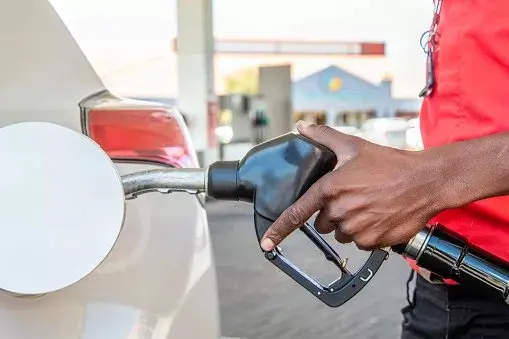
Booking Holdings CEO Glenn Fogel has admitted his company is seeing a "bit of a softening" in travel demand across Europe and Asia, and he points the finger at jet fuel. Speaking on the BBC's Big Boss Interview podcast, Fogel explained that when fuel prices climb faster than wages, pricier airfares start to shape how — and whether — people book trips. The squeeze is expected to bite hardest in the fourth financial quarter.
The numbers back him up. Between July and September, domestic trips grew at high single-digit percentages while international travel managed only low single-digit growth on Booking.com. Fogel wasn't surprised: with the state of the world as it is, staying closer to home is an easy compromise. He also flagged a less obvious factor — news images of protests, such as those in Paris, can put people off booking a destination altogether. Even so, he's playing the long game, expecting global travel to outpace GDP growth over the next two decades and betting that grabbing a bigger slice of a growing market will keep his company ahead.
The Budget airline side of the story is just as pointed. Last week Ryanair said it is weighing pay freezes and greater use of AI to rein in costs, warning that jet fuel prices will "remain elevated well into 2027" as the conflict involving the US, Israel and Iran continues. The Irish carrier has around 80 per cent of its fuel hedged at below-market rates, but that protection runs out after the current financial year, and it is bracing for roughly £1.7 billion in extra fuel costs across April 2027 to March 2028. Its forecast: European short-haul airfares will "increase materially", though fares won't rise enough to fully cover the fuel bill.
So what does this mean if you're planning a trip? In short: don't assume next year's flights will cost what they do today. The era of cheap European city breaks may get tighter as airlines pass on at least part of their fuel costs, and the Booking.com data suggests many travellers are already trading long-haul ambitions for domestic trips that skip the airfare entirely. Booking earlier, flying midweek, or considering train alternatives for short-haul routes could all blunt the impact.
It's also a reminder that travel demand isn't only about money — perception plays a role. Fogel's point about protest footage damping bookings is worth keeping in perspective: headline images don't always reflect day-to-day reality on the ground, so it pays to check current conditions rather than write off a destination from one news cycle.
For the industry, the takeaway is that the post-pandemic travel boom has hit a speed bump driven by geopolitics and energy costs rather than by a lack of appetite to travel. For everyone else, it's a nudge to lock in fares while they're still this side of whatever "material increase" turns out to mean.