While Lima's food scene drew international attention during the World's 50 Best festivities, a different kind of conversation was happening across town. At the restaurant Limaná, hospitality figures from Peru and abroad met with The Sustainable Restaurant Association and consultancy A2G to talk about something rarely on the agenda: how restaurants treat the people who make them run.
The premise, put forward by Limaná's chef Cindy Reátegui, is that sustainability debates usually stop at sourcing and waste. Where do ingredients come from, what happens to the scraps? All fair questions, but they skip the cooks, servers, farmers and guides who actually deliver the experience. A business can have a glossy vision, she argued, but it only becomes real when staff feel genuinely part of it — and valued. That sense of belonging shows up on the plate and in the service, which is exactly what travellers remember.
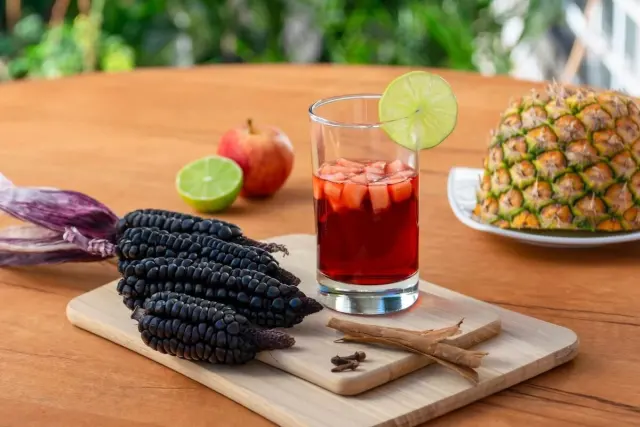
The discussion also drew a straight line from responsible hospitality to livelihoods in the Peruvian Amazon. The idea is to build small sustainable enterprises — bionegocios — with local communities, then connect them to gastronomic tourism. Think honey bought at the source, jams and fruits with a story attached, or cacao explained by the growers themselves. Travellers might find themselves rolling a chocolate truffle by hand while learning where the beans came from. For producers, that means a real share of tourism income; for visitors, it turns a meal into an encounter.
The event was anchored by practical tools rather than slogans. Juliane Caillouette Noble, CEO of The Sustainable Restaurant Association, opened the session, and a panel featuring Limaná owner Anita Belaunde followed. Limaná holds the association's Food Made Good certification at its highest level, three stars, and the gathering also showcased the Food Made Good Standard — a framework restaurants and hotels can use to audit their own impact and set concrete improvement steps.
Why should a traveller care? Because the quality of your holiday increasingly depends on exactly what this event was about: staff who are treated well serve better, and community-linked food projects turn dining out into something with a story. Peru is arguably the world's strongest example of gastronomy-led tourism, so when its leading restaurants push people-first sustainability, the model tends to spread. For anyone planning a food-focused trip to Lima or into the Amazon, expect — and look for — experiences that name the producers, hire locally and pay fairly. Asking who benefits from your dinner is now part of eating well.
Original story: Living in Peru