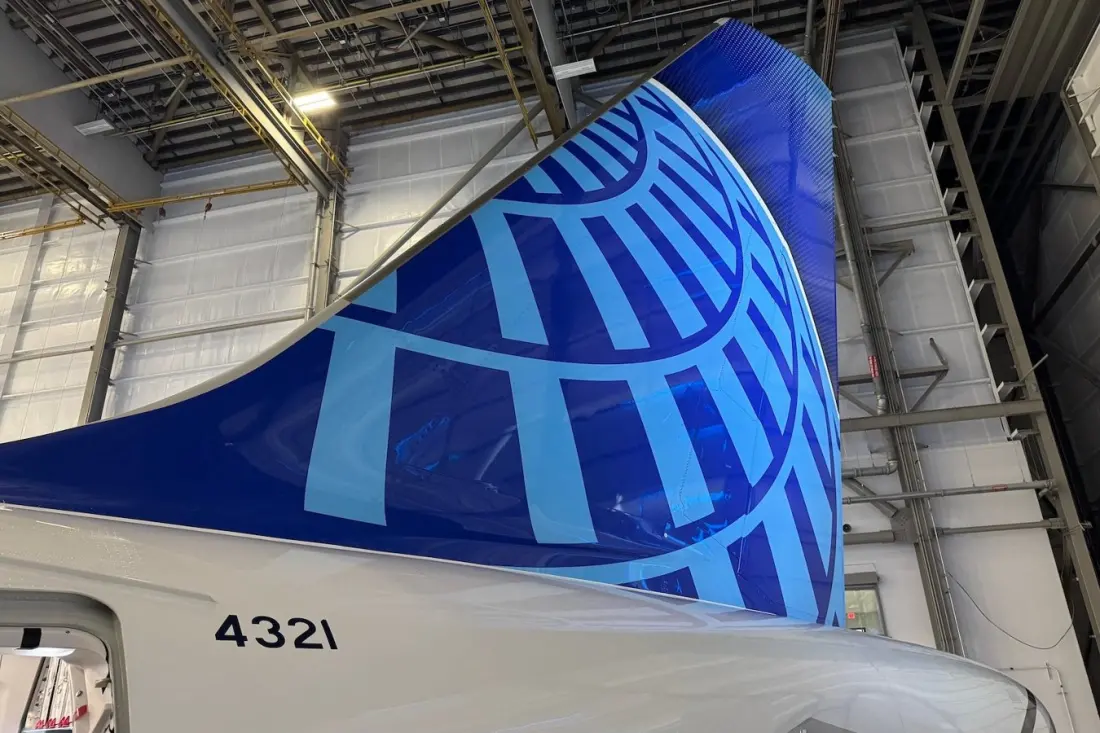
United Airlines briefly halted its Monday evening when a technology issue disrupted departures across its mainline network. The Chicago-based carrier flagged the problem around 5 p.m. EST, describing it as a tech-related disruption causing delays on some departing flights, and warned on social media of a "widespread system outage". An hour later, the airline confirmed the issue had been fixed and said there was no indication of any cybersecurity involvement.
The good news: the impact was limited. United Express regional flights were untouched, and planes already in the air were unaffected — the problem hit only departures on United's mainline operation. By evening, the airline was canceling fewer than two dozen flights, under 1% of its schedule according to FlightAware data.
Timing made this a much bigger deal than it might otherwise have been. The glitch landed just days after Friday's FAA system failure triggered the longest nationwide ground stop since 9/11, forcing airlines — United included — into a weekend-long recovery effort. All told, the industry canceled more than 18,000 flights across three days. So when United's systems wobbled on Monday evening, travellers and aviation watchers braced for a repeat.
It also fits a pattern. The past week has seen a string of high-profile tech failures, from a prolonged Microsoft Outlook outage to interruptions at several major US banks on the same Monday, fueling plenty of speculation about what's behind the run of glitches. In United's case, at least, the answer was a short-lived fix rather than another national headache.
If you were flying United that evening, the practical takeaway is straightforward: expect delays even after an outage is officially resolved, as crews and aircraft get repositioned. Sign up for the airline's app alerts, check your flight status before heading to the airport, and know your rebooking options — in a disruption like this, flexibility is worth more than any compensation policy.
For everyone else, it's a reminder of how fragile the US air travel system still is. One failed system at the FAA or a single carrier can strand thousands of passengers within hours. Building a buffer day into any big trip — especially one with a tight connection to a cruise, tour or event — remains the most reliable hedge against the next outage.