On 30 October 1961, West Germany signed a labour recruitment agreement with Türkiye to feed its booming postwar factories. Sixty-five years on, that temporary fix has become a community of millions — and the people who arrived first are now telling their stories.
When the oil crisis hit in November 1973, Germany stopped recruiting foreign workers. But by then the temporary 'guest workers' had put down roots: children were in school, spouses had joined them, and returning home no longer made sense. Germany's Federal Statistical Office counted around 2.6 million people of Turkish origin in 2025 — roughly 3.2% of the population. Only about 125,000 of the original first generation remain.
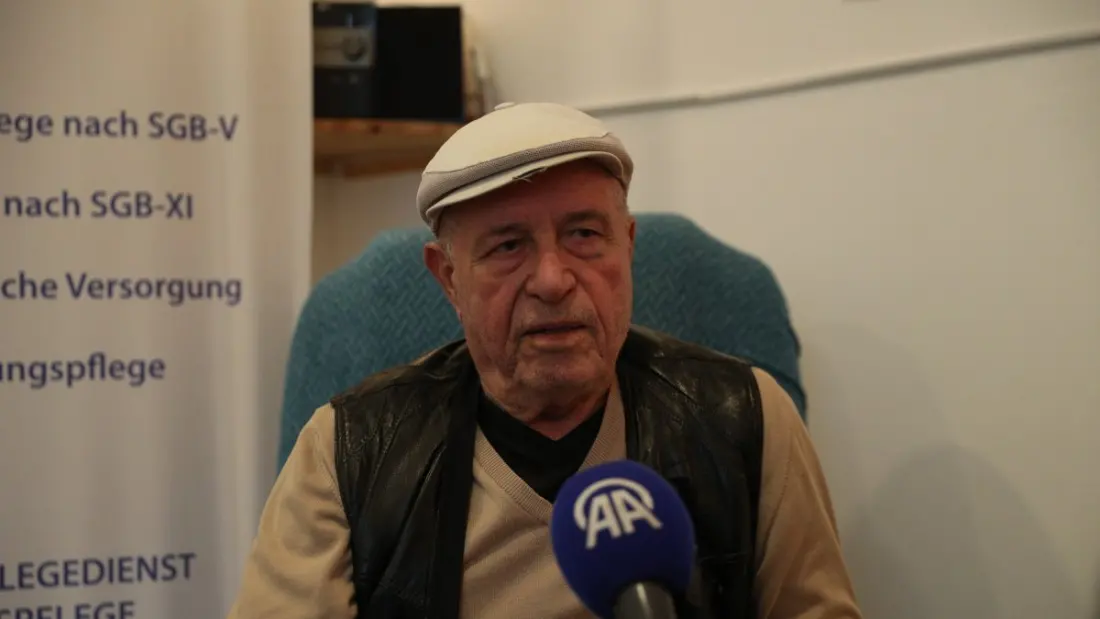
Two of them shared their memories. Kadir Akyuz, now 90, left Trabzon in 1963 after a friend in Ankara tipped him off about the opportunity. He grappled with the language at first, then learned German well enough to work as an interpreter for fellow Turkish workers, who often struggled with housing, paperwork and everyday communication. He went on to co-found a Turkish association in Berlin, edit Turkish-language publications, and help roughly 50 relatives make the move. He married in Berlin, raised three children there, and now spends time at a local community centre.
Ibrahim Sunar, 77, arrived in 1973 from Adana — a former teacher who beat around 190 other applicants for one of 12 places, travelling to Germany by train from Istanbul after medical checks and bureaucracy. He remembers warm relations with German neighbours in those early years, but also harder chapters: layoffs of foreign workers after German reunification in 1990, a labour court case he felt he lost because of his background, and now, rising rent, energy and food costs squeezing retirees. His advice to Turkish families is to keep the language alive at home — his two German-born children speak Turkish well for exactly that reason.
The story also has a practical edge. Berlin home-care provider Canvital, run by Ayten Aslan, has spent around 25 years caring for elderly members of this first generation — a need few anticipated when her parents' generation debated whether to stay or return. Many early workers laboured with limited German and little knowledge of their rights, paving a smoother path for their children.
Why should a traveller care? Because this history is visible everywhere in Germany — in Berlin's Turkish markets and kebab culture, in Cologne and Duisburg, in the food, neighbourhoods and community life that shape modern German cities. It's also a bridge between two big holiday destinations: a shared story spanning Istanbul's railway stations and the factories of the Ruhr. For anyone with Turkish or German heritage, or simply an interest in how migration reshapes a country, these 65-year-old railway journeys are worth knowing about.