Learning to fly in the United States just got cheaper in terms of hours, and a lot more interesting in terms of what you can actually take into the sky. The FAA's new MOSAIC rules — short for Modernization of Special Airworthiness Certification — have dramatically widened what holders of a sport pilot certificate are allowed to fly, and what manufacturers can build in the light-sport category.
The sport pilot certificate has been around since 2004 as the entry-level route into aviation. It needs a minimum of just 20 hours of flight time — 15 with an instructor and five solo, including ten takeoffs and full-stop landings — versus 40 hours for a private pilot licence. You can qualify from age 17, and a valid US driver's licence can stand in for a medical certificate.
Until recently, that simplicity came with a catch: sport pilots were limited to aircraft with two seats, a maximum takeoff weight of 1,320 pounds and a top speed of 120 knots. The first stage of MOSAIC, effective 22 October last year, threw that old definition out. Sport pilots can now fly aircraft with up to four seats and a flaps-up stall speed of 59 knots, including planes with retractable landing gear and variable-pitch propellers — though those need extra training. Night flying is also possible with an additional endorsement, and certain simplified-control helicopters now qualify too.
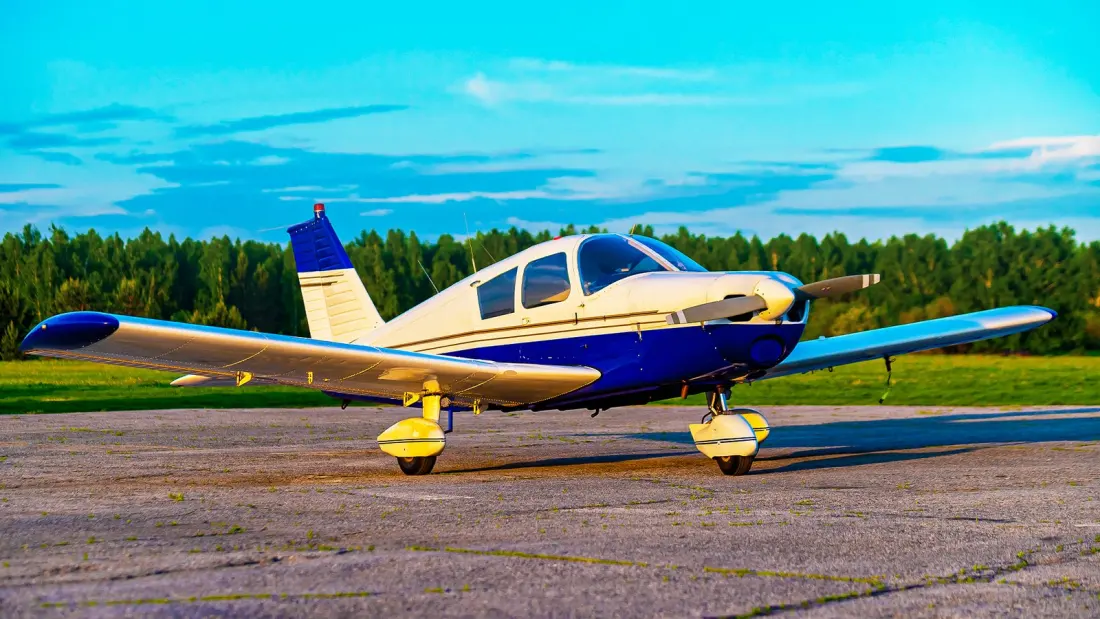
The headline change for would-be pilots: iconic trainers like the Cessna 172, Cessna 182 and Piper Cherokee — previously too heavy to qualify — are now within reach on a sport pilot certificate. The FAA itself flagged the 172 in its rule document.
A second phase took effect on 24 July this year, rewriting the light-sport aircraft definition for manufacturers. Weight caps are gone, four seats are allowed, the stall-speed limit sits at 61 knots flaps-down, and new propulsion types — including electric — are permitted. Expect a wave of larger, faster, more tech-laden light aircraft, gliders, gyroplanes and even airships in the coming years. The rules also permit aerial work such as photography, infrastructure inspection and agricultural surveillance using light-sport aircraft.
There are still limits worth knowing. Sport pilots can only carry one passenger, no matter how many seats the plane has — so that four-seat Cessna flies with two seats empty. Commercial flying is off the table, and airspace, instrument and timing restrictions remain. The certificate is aimed at recreational flying, not an airline career path.
For travellers, the appeal is straightforward: if learning to fly has been on your bucket list, the time and cost barriers just dropped while the fun factor went up. AOPA president Darren Pleasance called the changes an opening of the door for more people to experience aviation. Rental rates for light aircraft and discovery flights at local flight schools are likely to benefit as the fleet modernises — so it may be worth checking a flight school near your next US trip.