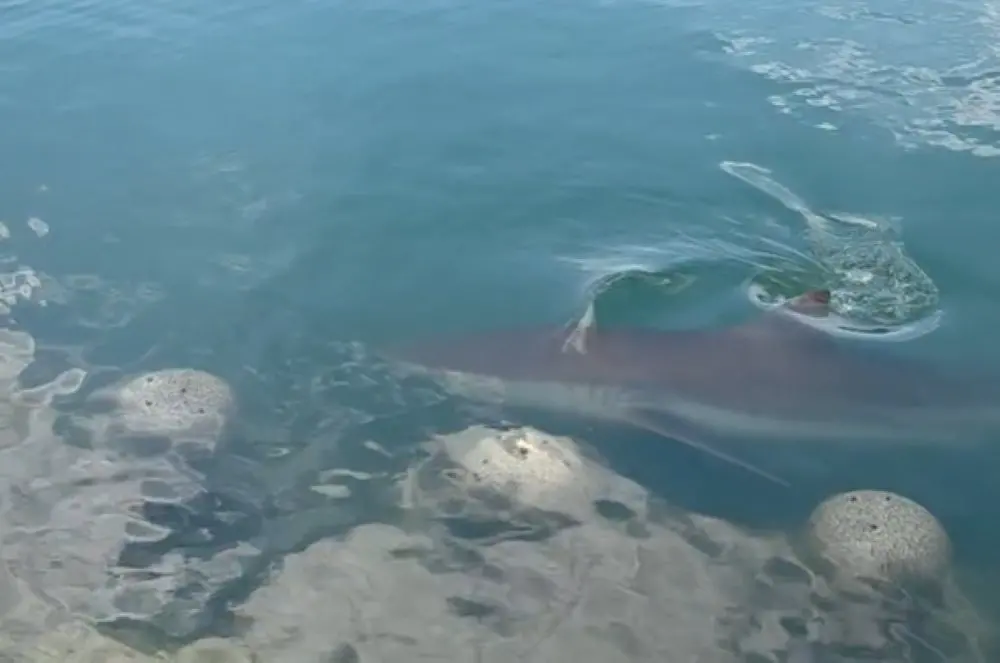
Busan has an unusual new resident, and the city is thrilled about it. A bull shark, estimated at 3.5 metres long, turned up this month in an artificial waterway on the southeast coast port city, and instead of panic, South Korea has responded with merch, mascots and a stock market blip.
Coast guard crews tried coaxing the animal back out to sea by spraying water towards it, with no luck. Locals quickly dubbed the shark 'Bukhangi', a nod to the port, and it has behaved less like a menace and more like a mascot. Crowds have been turning up along the waterway to catch a glimpse, and the shark's presence has been a small windfall for businesses nearby. Sales of shark-shaped ice cream bars at convenience stores in the area jumped nearly 30 per cent, which tells you everything about the mood.
City hall has leaned in hard. Busan's mayor, Chun Jae-soo, thanked the shark for generating publicity he reckoned would otherwise have cost 'trillions', and residents elected Bukhangi an honorary public relations ambassador for the city with 91 per cent of the vote. Investors got in on the act too: shares in The Pinkfong Company, the studio behind the inescapable Baby Shark song, briefly jumped more than seven per cent.
Why is a bull shark in Korea at all? Bull sharks normally stick to subtropical and tropical waters, and Kim Jin-koo, a professor of global fisheries at Pukyong National University, told AFP that sharks venturing into South Korean waters is 'not common at all'. His theory: rising sea temperatures around the country have pushed the species closer to the coast. A second possible sighting briefly fueled social media speculation that Bukhangi had brought a calf along, complete with AI-generated images of the pair, but Busan's park policy division says no other sharks have been confirmed. Authorities plan another attempt to move the shark along, so its celebrity stint may be a short one.
Bukhangi joins a proud Korean tradition of runaway animal stars, following Neukgu, a young zoo wolf that spent nine days at large in April before being recaptured.
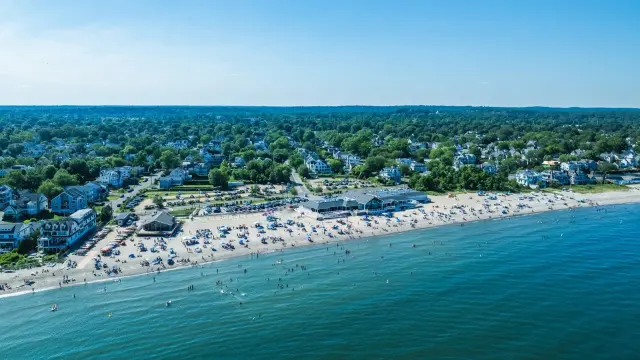
For travellers, the timing matters more than the shark itself. If you're headed to Busan soon, the waterfront around the canal is buzzing, and locals are clearly enjoying the moment — an easy, free spectacle to fold into a day of the city's usual draws like Haeundae Beach, the Jagalchi fish market and the hillside colour of Gamcheon Culture Village. Just treat it as a glimpse-and-go attraction rather than a guaranteed sighting: the shark may be escorted back to sea on authorities' next attempt, and the crowds it has drawn are a reminder to keep expectations realistic. It's also a neat snapshot of how warming waters are nudging marine life into new territory, something coastal destinations across Asia will be reckoning with more often.